
The Paradise Under Siege
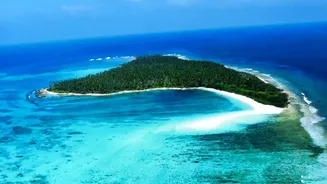
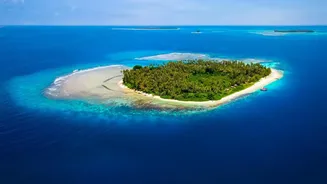
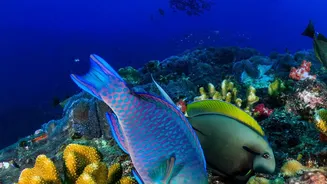
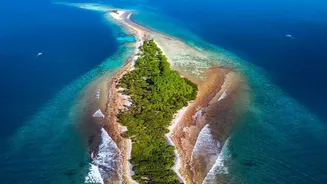
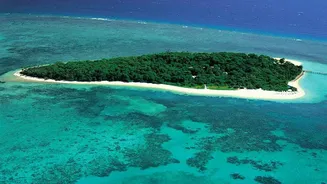
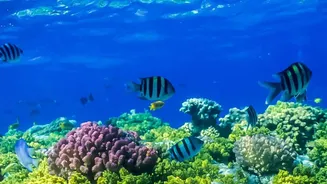
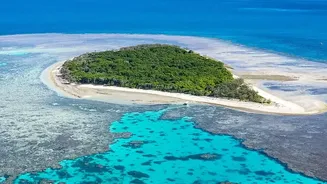
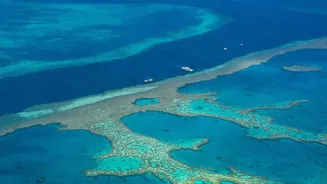
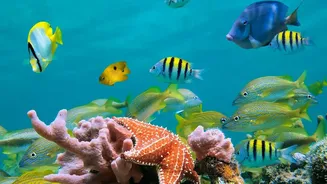
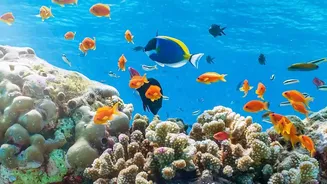
Lakshadweep is India’s only coral atoll archipelago, a chain of 36 islands boasting some of the most spectacular marine biodiversity in the world. These reefs are not just beautiful; they are critical barriers against sea erosion and home to countless
marine species. However, their very existence is threatened by plastic. When plastic waste enters the ocean, it doesn't just float harmlessly. Larger pieces can physically break and smother delicate coral structures. As they break down into microplastics, they are ingested by coral polyps, causing internal damage and starvation. Worse, studies show that plastic debris acts as a raft for harmful bacteria, dramatically increasing the incidence of coral diseases and bleaching when they come into contact.
A Framework of Protection
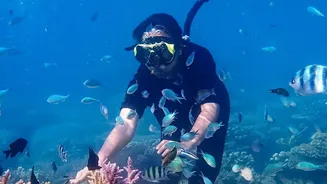
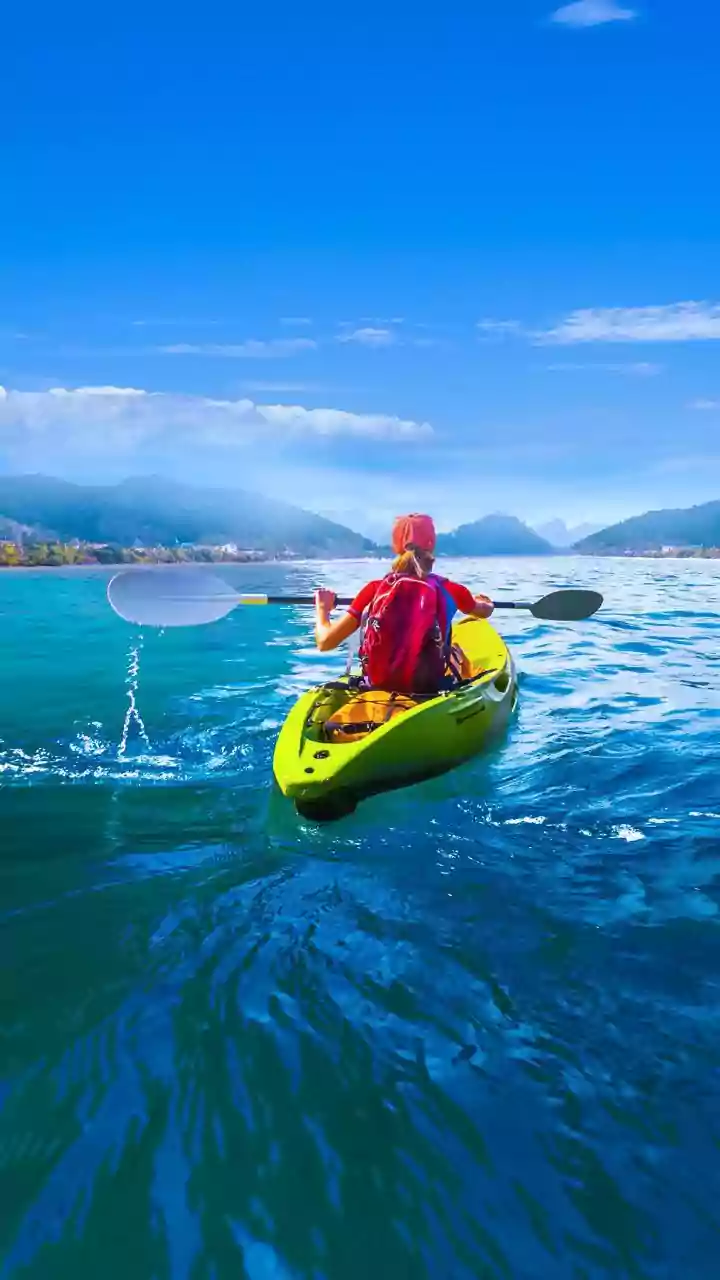
Recognizing this immense vulnerability, the Lakshadweep administration established a highly regulated tourism model. At its core is a principle of limited access. Tourists cannot simply book a flight and show up; they must obtain an official entry permit, a process managed by the Society for Promotion of Nature Tourism and Sports (SPORTS). Tourism is primarily directed to a few designated islands, such as Agatti, Bangaram, and Kavaratti, preventing the entire archipelago from being overrun. This strategy aims to concentrate and manage the environmental impact of visitors. Furthermore, visitors are bound by strict rules: picking or touching corals is a punishable offense, and all water sports like scuba diving and snorkeling are conducted under the watchful eye of certified operators who enforce conservation guidelines.
The Battle Against Plastics on the Ground
The protocols extend beyond just managing tourist behaviour. There have been concerted efforts to tackle plastic at its source. Key among these are regulations aiming to make the islands plastic-free zones. While a complete ban on a material essential for island life is complex, the focus has been on phasing out single-use plastics—the bottles, bags, and wrappers that are the most common culprits of litter. The ideal system involves waste segregation at the source, with non-biodegradable waste collected and shipped back to the mainland for proper disposal, preventing it from ever reaching the lagoons and reefs. The eco-tourism model is designed so that the tour operators and designated SPORTS representatives are responsible for ensuring these rules are followed by visitors.
A Leaky Shield? The Reality of the Crisis
Despite this well-intentioned framework, recent studies paint a more complicated picture. Researchers from institutions like the Cochin University of Science and Technology have found that plastic pollution remains a severe and growing crisis in the islands. Studies show that waste management infrastructure on the ground is struggling to keep up. Issues with inefficient waste collection, non-functional incinerators, and logistical challenges in transporting waste to the mainland have created a significant gap between policy and practice. As a result, microplastics are now widespread in the lagoons and beaches of both inhabited and uninhabited islands, posing a direct and ongoing threat to the coral reefs the protocols were designed to protect.