





The Monsoon Tourism Paradox
For decades, the monsoon season in India meant low tourist footfall. Heavy rains, high humidity, and potential travel disruptions kept visitors away. However, what is a challenge on land has become a unique advantage on water. During the monsoon months
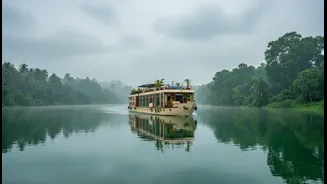
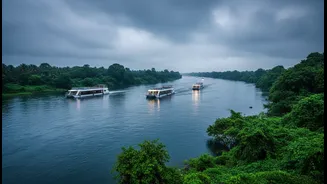
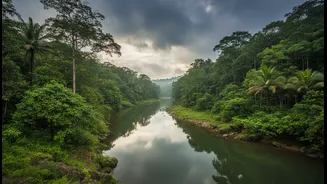
from July to September, rivers like the Ganga and Brahmaputra swell with rainwater. This higher water level makes many stretches of the river, which are too shallow during the dry winter, navigable for cruise vessels. This counter-intuitive opportunity has not gone unnoticed. Cruise operators are now marketing the monsoon season as a time of unparalleled natural beauty, with lush green landscapes, dramatic skies, and a unique, tranquil atmosphere away from the usual tourist crowds.
Forging New Paths on Water
The phrase 'new inland riverbed routes' refers to the strategic development and promotion of India's vast network of National Waterways (NWs) for tourism. Spearheaded by government initiatives like the Maritime India Vision 2030 and the Cruise Bharat Mission, there's a concerted push to transform these ancient transport arteries into modern tourism circuits. Key among these are National Waterway-1 (the Ganga) and National Waterway-2 (the Brahmaputra). The government is investing heavily in infrastructure, including building new cruise terminals, community jetties for local access, and improving navigation aids to ensure safe passage, even during the dynamic conditions of the monsoon. The plan is ambitious, with aims to develop over 50 new river cruise circuits by 2027.
A Different Kind of Cruise
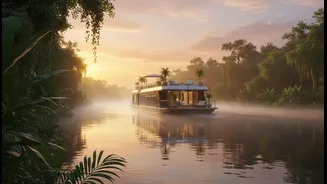
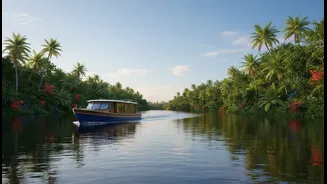
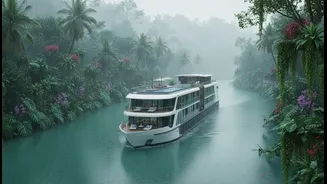
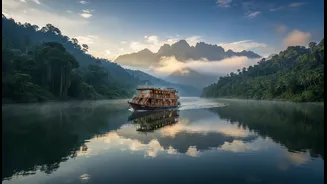
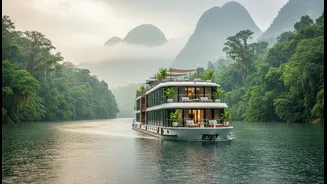
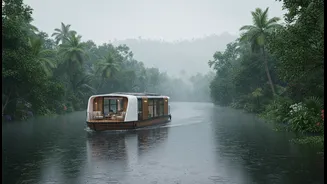
Monsoon cruising offers an experience vastly different from its ocean-going counterpart. It's about slow travel and deep cultural immersion. Journeys on the Brahmaputra in Assam, for example, take passengers through the heart of wildlife sanctuaries like Kaziranga National Park, past remote villages, and alongside verdant tea gardens. Similarly, cruises on the Ganga offer a front-row seat to the spiritual heart of India, sailing past ancient temples and the colonial-era architecture of cities like Kolkata. Some operators have even designed special itineraries specifically for the high-water monsoon period, which are the only times ships can reach sacred cities like Varanasi. The vessels themselves are often luxurious, boutique ships designed for a small number of guests, offering an intimate and exclusive way to see the country.
The Market Responds
The strategy appears to be working. River cruise tourism is one of the fastest-growing segments in India’s travel industry. Data from the Inland Waterways Authority of India (IWAI) shows a significant jump in river cruise voyages, rising 19.4% in 2024-25 compared to the previous year. The number of vessels in operation has expanded from just five on three waterways a decade ago to 25 vessels on 13 national waterways today. This growth has attracted international attention, with global operators like Viking Cruises announcing their entry into the Indian market, specifically with a vessel for the Brahmaputra set to launch in late 2027.
Economic Ripples and Future Headwinds
The benefits extend beyond the cruise companies. This tourism model promotes inclusive growth by bringing high-value travellers to lesser-known destinations along the riverbanks, creating jobs and supporting local artisans and enterprises. The Assam government, for instance, is exploring a ₹500 crore proposal to further develop luxury river tourism on the Brahmaputra, a project that could create around 5,000 jobs. However, challenges remain. The industry still faces hurdles like inadequate infrastructure in some areas, last-mile connectivity issues, and the need for stringent environmental oversight to ensure sustainability. Complex regulations and a shortage of skilled manpower are also areas that require continued focus as the market expands.