
Embrace the 'Shoulder Season' Weather
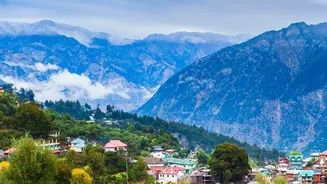
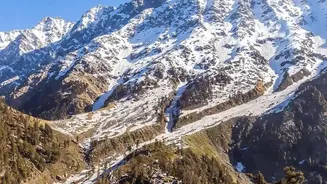
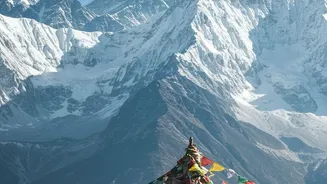
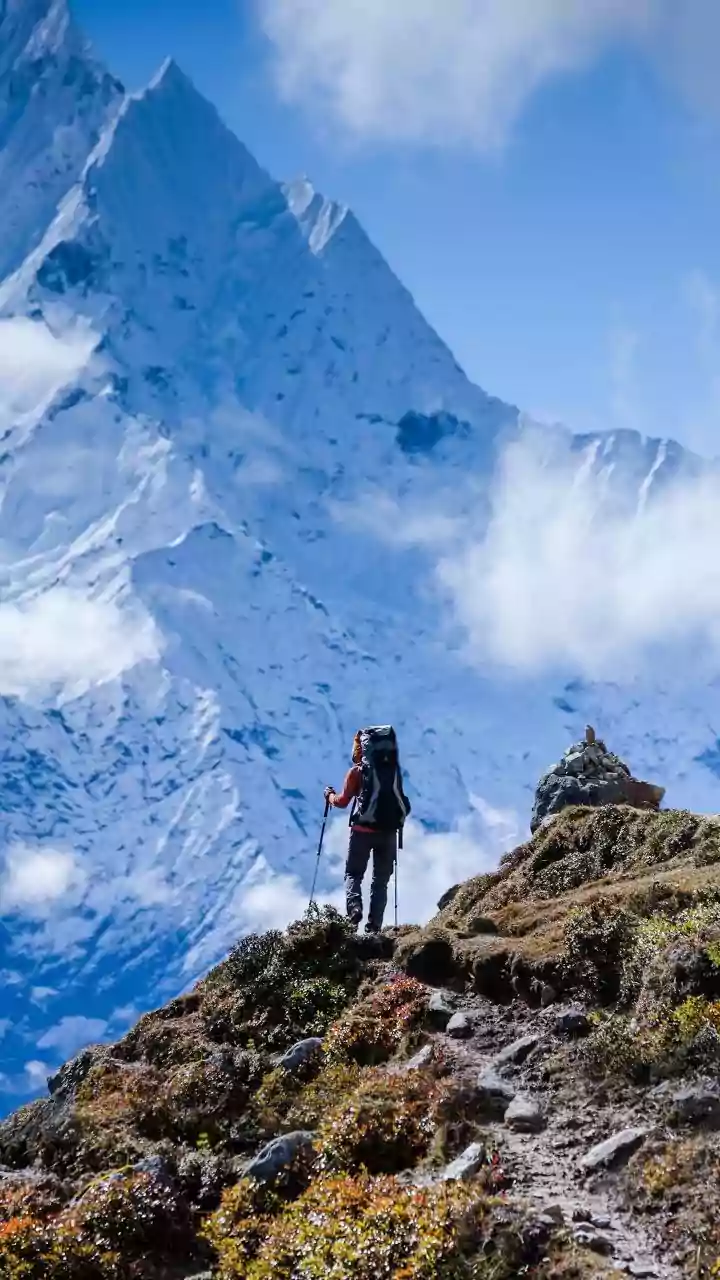
November is a 'shoulder season' that bridges autumn and winter. Guides emphasize understanding its specific weather patterns. The monsoon has cleared the dust, providing unparalleled visibility of the peaks. Days are often sunny and pleasant, perfect
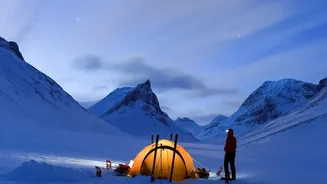
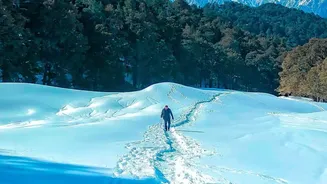
for trekking, but they are also shorter. As the sun sets, temperatures can drop dramatically, frequently falling below freezing at altitudes above 3,000 meters. While heavy rain is unlikely, the risk of early snowfall increases as the month progresses, especially at higher elevations. This combination means you get the best of autumn's colours with a hint of winter's crispness, but you must be prepared for both within a single day.
Layering Is Your Most Critical Skill
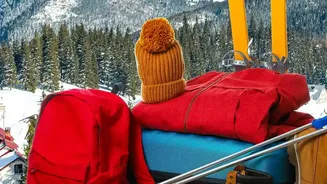
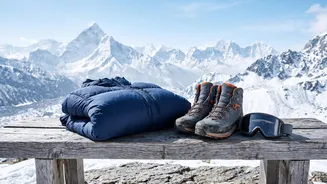
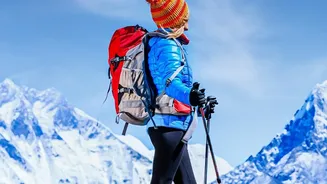
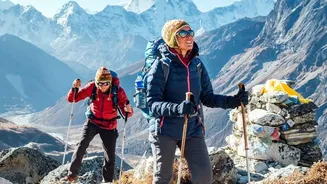
Every experienced guide will tell you that mastering the art of layering is non-negotiable for a November trek. Instead of a single heavy jacket, think in terms of a three-part system. Start with a moisture-wicking base layer to keep sweat off your skin. Add a fleece or light down jacket as an insulating mid-layer for warmth. Finally, a windproof and waterproof outer shell will protect you from the elements. This system allows you to adapt to changing conditions by adding or removing layers throughout the day. Don't forget extremities: a warm woollen hat, gloves, and several pairs of quality trekking socks are essential to prevent heat loss.
Choose Your Trail Wisely
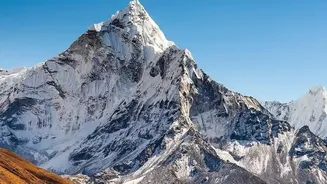
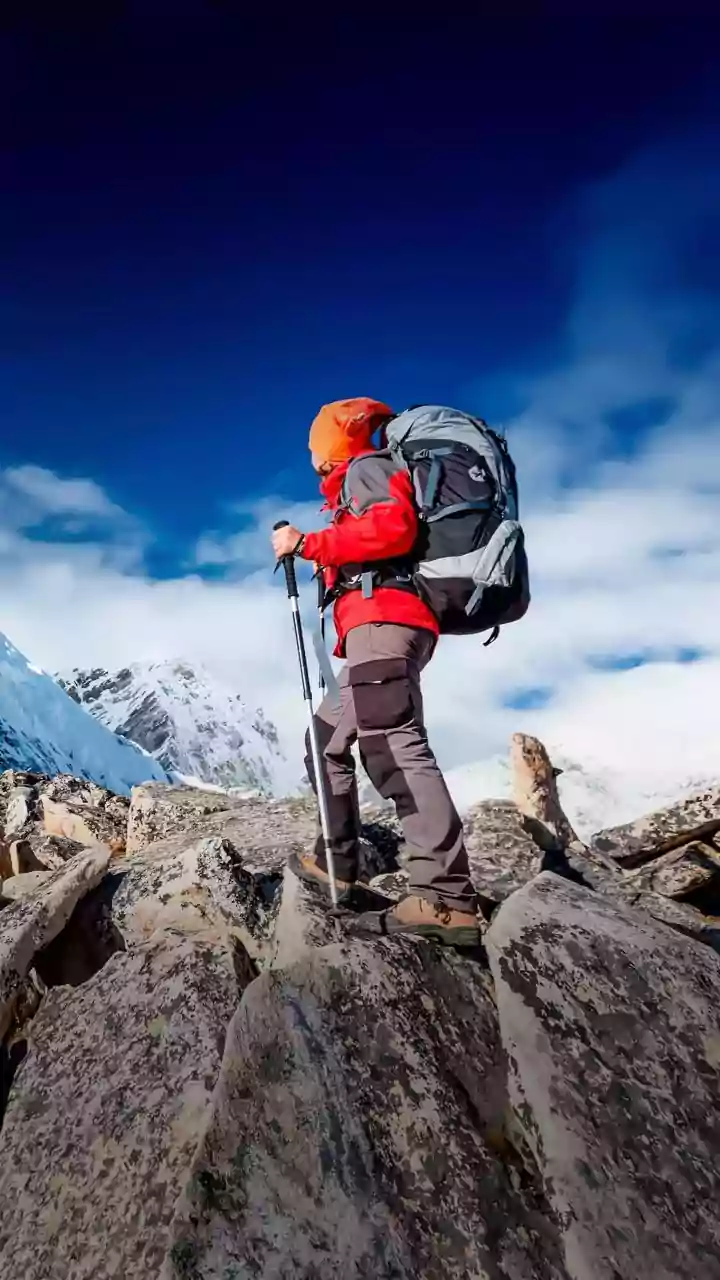
While conditions are generally stable, not all trails are ideal for November. Local guides suggest focusing on routes that are well-established and less prone to being cut off by early snow. Treks in Uttarakhand like Har Ki Dun, Kedarkantha, and Kuari Pass are often recommended as they are particularly beautiful in the autumn light and remain accessible. In Nepal, classic treks like the Everest Base Camp and parts of the Annapurna Circuit are at their peak season, meaning trails are busy but well-maintained. It's crucial to check with a reliable trekking company about the current status of your chosen route, as conditions can change rapidly. Many organizers will handle the necessary permits required for regions like Sikkim or specific national parks.
Acclimatize, Then Acclimatize Again
The single biggest safety concern on any high-altitude trek is Acute Mountain Sickness (AMS). It can affect anyone, regardless of age or fitness level. The golden rule advocated by all mountain professionals is to 'climb high, sleep low'. A slow and steady ascent is the most effective way to prevent altitude sickness. Your itinerary must include acclimatization days—rest days built in at certain altitudes to allow your body to adjust to the thinner air. Rushing to the destination is a dangerous mistake. Listen to your body; if you experience symptoms like headache, nausea, or dizziness, do not ascend further. Inform your guide immediately, as descent is the only reliable cure.
The Value of a Local Guide
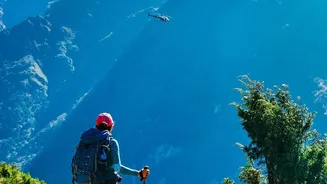
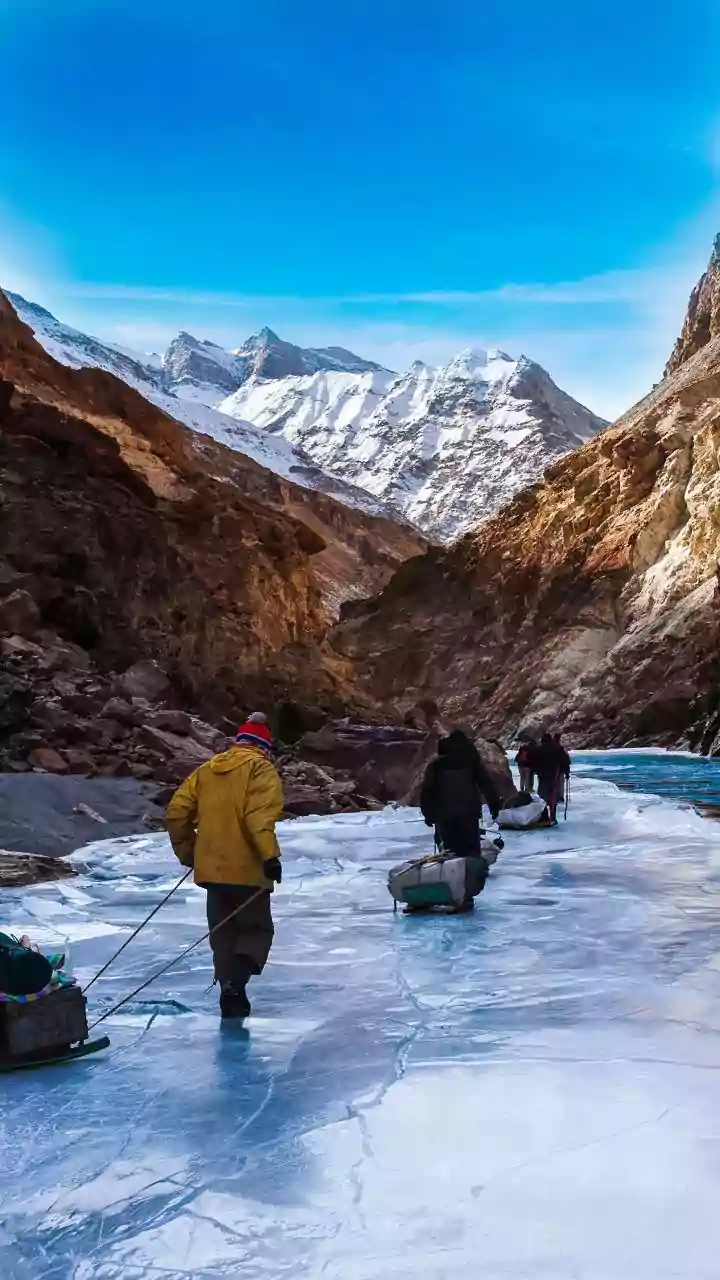
While it's possible to trek independently, hiring an experienced local guide is one of the best safety investments you can make. They offer more than just route-finding. A local guide has an intimate understanding of the terrain, weather patterns, and safe water sources. They are trained to recognize the early signs of altitude sickness and can make critical decisions to ensure the group's safety. Furthermore, they provide invaluable cultural context, bridging the gap between you and the local communities you pass through. Choosing a reputable company ensures your guide is certified and that your expedition carries essential safety equipment like oxygen cylinders and a medical kit.
Fuel and Hydrate for the Cold
Trekking at altitude in the cold burns a significant number of calories. It’s important to eat well and consistently, focusing on carbohydrates for energy. Similarly, hydration is crucial. The cold, dry air dehydrates you faster than you might realize, and staying hydrated is a key factor in warding off altitude sickness. Guides recommend drinking several litres of water per day. Avoid alcohol, which can accelerate dehydration and mask the symptoms of AMS. Pack energy bars and nuts for quick fuel on the trail, but rely on the warm, cooked meals provided at teahouses or by your trekking crew for your main source of nutrition.