




Picture a long weekend in Manali or Goa: bumper-to-bumper traffic, overflowing hotels, and crowded beaches. This familiar scene highlights a critical challenge for Indian tourism — its over-reliance on a few famous destinations.
The Strain of Stardom
For decades, a select few
destinations have shouldered the majority of India's tourist footfall. Hill stations like Shimla and Manali, coastal havens like Goa, and historic cities such as Jaipur are victims of their own success. This phenomenon, known as overtourism, occurs when the number of visitors exceeds a location's capacity to handle them sustainably. The consequences are stark. In the Himalayas, fragile ecosystems are buckling under pressure, leading to garbage accumulation, severe water shortages, and increased pollution. Hill stations frequently face traffic gridlock and infrastructure breakdowns, especially during peak seasons. In Goa, once-pristine beaches are often overcrowded, and local communities report cultural disruption and a declining quality of life due to unregulated commercialization. The very beauty that draws tourists is being eroded by their sheer numbers.
An Untapped Reservoir of Potential
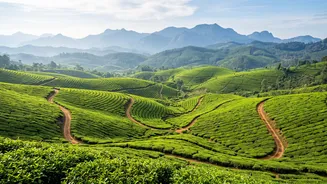
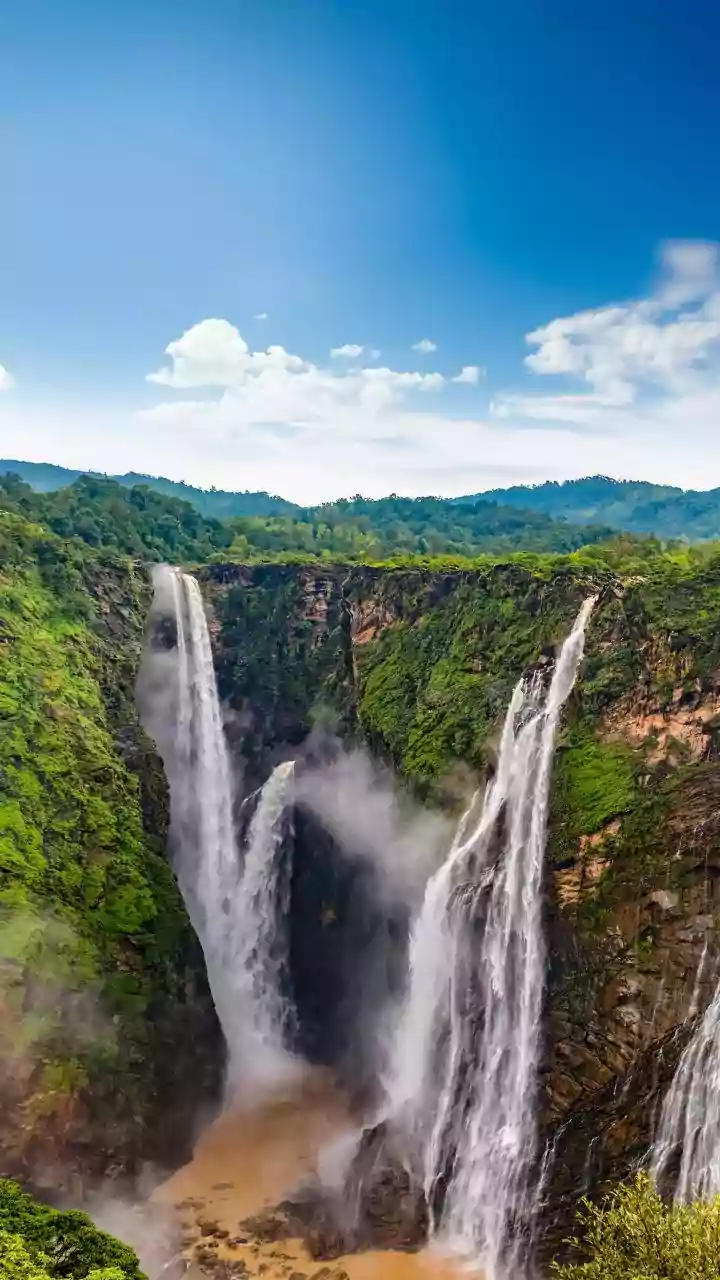
The solution isn't to stop travelling, but to travel differently. India's immense diversity offers countless alternatives beyond the saturated hotspots. The country possesses a vast, untapped potential in its lesser-known regions, from the serene backwaters of Kerala's rural villages and the tribal heartlands of Odisha to the untouched natural beauty of the Northeast. Developing these areas can distribute the economic benefits of tourism more equitably, creating jobs and fostering development in regions that need it most. This shift encourages a more profound travel experience, allowing visitors to engage with authentic local cultures, pristine nature, and unique heritage away from the crowds. By promoting eco-tourism, spiritual journeys, and rural experiences, India can offer a richer, more varied portfolio of destinations.
A Blueprint for Diversification
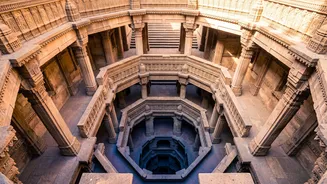
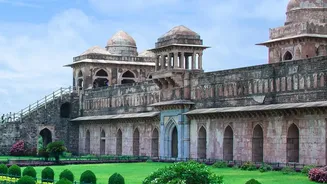
The Indian government has recognized this need and is actively promoting tourism diversification through several key initiatives. The 'Dekho Apna Desh' campaign encourages Indians to explore their own country, with a special focus on discovering new places. More strategically, the revamped Swadesh Darshan 2.0 scheme aims to develop sustainable and responsible tourism destinations, moving from broad circuits to a more focused, destination-centric approach. This involves creating theme-based circuits like the Buddhist, Heritage, Coastal, and Eco circuits to attract visitors with specific interests to a wider range of locations. These schemes provide financial assistance to states for developing infrastructure like better road connectivity, visitor amenities, and digital services, making emerging destinations more accessible and appealing.
The Road Ahead Is Not Without Hurdles
Developing new tourist destinations is a complex task. It requires more than just marketing; it demands careful and sustainable planning. A major challenge is building the necessary infrastructure—roads, hotels, sanitation, and reliable internet connectivity—without repeating the mistakes of the past. Unplanned development can quickly lead to the same environmental and social problems that plague current hotspots. Therefore, the focus of new initiatives is on sustainability, community involvement, and responsible tourism. This means empowering local communities to become stakeholders and stewards of their environment, ensuring that tourism growth is inclusive and preserves the cultural and natural essence of the destination for generations to come. The government is also working on a National Digital Tourism Stack to streamline travel and improve visitor management, which can help monitor and control tourist flows to prevent new areas from becoming overwhelmed.