





Goodbye to the Paper Card
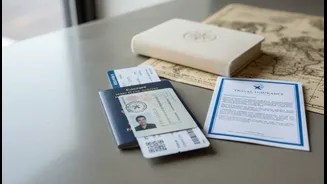
The era of juggling passports, pens, and paper forms during landing is coming to an end. Australia has officially begun phasing out the paper Incoming Passenger Card (IPC) for all international arrivals, including those from India. This is being replaced
by a digital system called the Australia Travel Declaration (ATD). The goal is to create a more seamless and efficient arrival process, reduce paperwork, and improve the quality of information collected for security and biosecurity risk assessments. The nationwide rollout is expected to take place over 12 to 18 months, following a successful trial on select flights. While paper cards will remain available as a backup during the transition, the future of Australian border entry is digital.
How the Digital System Works
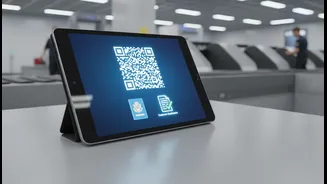
Instead of filling out a form on the plane, travellers will be able to complete the Australia Travel Declaration online before their flight. The plan is to allow submissions up to 72 hours before arrival. Initially, this will be done through a secure web-based form, with plans to eventually integrate the system into airline apps for greater convenience. After completing the declaration, travellers will receive a digital pass with a unique QR code. This QR code can be saved on a mobile device and will be scanned by Australian Border Force officers upon arrival, streamlining your passage through immigration.
Who Is Eligible and When?
The new digital system is being introduced in phases. A pilot program has already been running successfully on select Qantas flights into Sydney, Melbourne, and Brisbane. The rollout will expand to airports in Perth and Adelaide by the end of 2026, before being progressively introduced across all other airlines and international airports over the following 12 to 18 months. This means for the near future, whether you use the digital or paper system will depend on the airline you fly with and your arrival airport. Indian travellers should check with their airline before their flight to see if they are eligible to use the new ATD system for their specific journey.
The Golden Rule: Declare Food Honestly
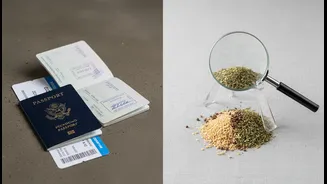
While the entry process is changing, Australia’s strict biosecurity laws are not. These laws are in place to protect the country's unique environment and its vital agriculture industry from foreign pests and diseases. The declaration, whether digital or on paper, is a legally binding document. You must truthfully declare all food, plant material, and animal products you are carrying. This includes items commonly brought from India like spices, pickles, homemade sweets, nuts, and tea. Even commercially packaged and sealed food must be declared. Remember, declaring an item does not mean it will be taken from you. An officer will assess it, and if it is deemed safe, it will be returned.
The High Cost of a Mistake
Failing to declare an item is a serious offence with severe consequences. The excuse "I didn't know" is not accepted by Australian border officials. If you are caught with undeclared risk items, you can face significant on-the-spot fines. As of 2026, these fines start at AUD $660 for low-risk items and can escalate to thousands of dollars for higher-risk goods like meat or seeds. In the most serious cases, such as deliberately concealing items, penalties can include criminal prosecution, fines up to AUD $396,000, and even imprisonment. For non-citizens, a biosecurity breach can also lead to visa cancellation and being refused entry into the country. The safest approach is simple: if you are in doubt about an item, declare it.