



A Major Nod from a Travel Titan
Each year, the travel world pays close attention when Travel + Leisure names its top destination. For 2027, India has taken the coveted top spot, an honour that has previously been given to countries like Brazil and Thailand. The magazine's editor-in-chief,
Jacqui Gifford, shared a personal connection, describing India as a country that 'seeps into your skin' with its vibrant colours, rich culture, and the warmth of its people. This endorsement is more than just a headline; it acts as a powerful signal to international travellers about where to find the most compelling and enriching experiences. The recognition comes as India aims to significantly boost its international tourist arrivals, with a goal of welcoming 100 million visitors annually by 2047.
Wildlife: Beyond the Tiger Trail
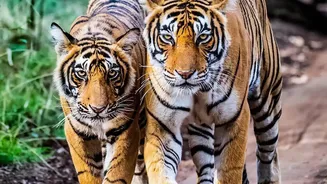
While India's conservation success with the Bengal tiger is world-renowned, the country's wildlife offerings are incredibly diverse and are a key reason for this accolade. The focus is shifting towards immersive and sustainable nature travel. Reports show that wildlife tourism in India is growing at a remarkable rate, with some projections showing an annual growth of over 10%. Travel + Leisure specifically highlighted Madhya Pradesh, which is home to the country's largest tiger population across several well-managed reserves like Kanha and Bandhavgarh. However, the appeal extends much further. From the one-horned rhinoceros in Assam's Kaziranga National Park to the Asiatic lions of Gir in Gujarat, travellers are seeking deeper, more meaningful connections with nature. This trend is supported by a rise in eco-conscious luxury lodges and community-led tourism projects that ensure local populations benefit from conservation.
Heritage: A Living History
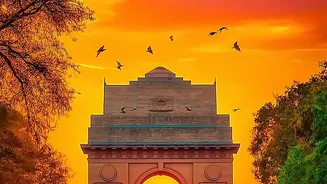
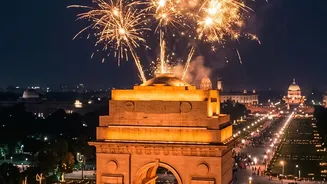
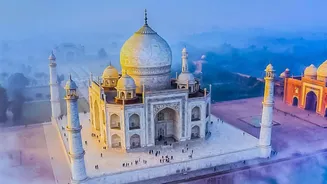
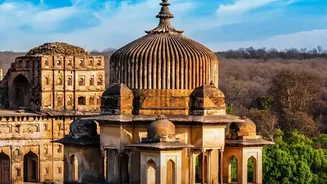
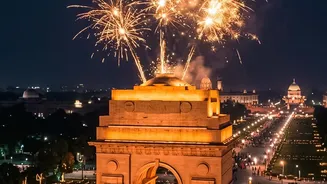
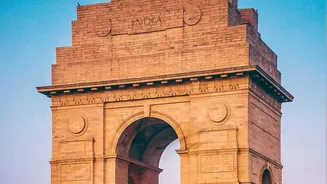
India's historical landscape is a treasure trove, with 43 sites already on the UNESCO World Heritage list and many more under consideration. The 2027 feature moves beyond just the iconic Taj Mahal, encouraging visitors to explore the depth and breadth of the country's past. Destinations highlighted include Udaipur, the 'Venice of the East', with its stunning lake palaces, and the Chettinad region in Tamil Nadu, known for the distinctive architecture of its historic mansions. The list also encourages visits to lesser-known gems, such as the ancient sandstone caves in Meghalaya and the serene Himalayan town of Khajjiar. This focus on heritage is not just about monuments; it's about experiencing living history. This can be seen in the bustling, ancient streets of Varanasi or through the vibrant traditions of the Hornbill Festival in Nagaland, which was also mentioned as a key experience. Even entire urban landscapes, like the Victorian Gothic and Art Deco ensembles of Mumbai, are celebrated as part of this rich tapestry.
The Modern Indian Itinerary
What makes India particularly compelling for 2027 is the increasing ease with which travellers can combine these diverse interests into a single trip. Improved infrastructure, better air connectivity, and a new wave of experiential travel companies are making it easier than ever to design a journey that blends a jungle safari with a heritage tour. A traveller could spend a week tracking wildlife in a national park and then easily travel to explore centuries-old temples or relax in a restored palace hotel. According to travel trend reports, modern tourists, especially from India, are seeking longer holidays and offbeat destinations, moving beyond the usual circuits. This desire for unique, multi-faceted trips aligns perfectly with what India offers: a chance to experience profound natural beauty and deep cultural roots side-by-side.