






A Treasure Trove of History
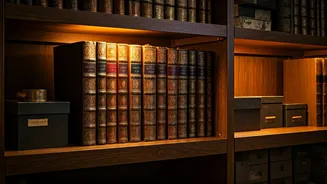
For many Delhiites, the Delhi Archives is a name they might have heard but a place they’ve never seen. It is the official custodian of the city's archival heritage, tasked with preserving a vast collection of government records, maps, manuscripts, and
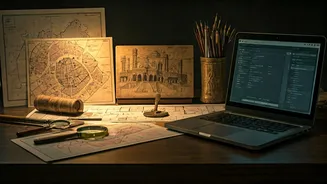
photographs. These documents are not just dusty old papers; they are the raw material of history, containing the story of Delhi's evolution. The archives hold approximately 10 crore pages of material, with records dating back to 1803. This includes invaluable documents like records from the trial of the last Mughal emperor, Bahadur Shah Zafar, papers from the First War of Independence in 1857, and land acquisition records for the building of Lutyens' Delhi. It is, in essence, the city's memory, a direct link to the administrative, social, and cultural decisions that have shaped the capital.
Unlocking the Past for Future Generations
For years, accessing this wealth of information has primarily been the domain of serious academics and seasoned historians. However, there is a growing momentum to change this. The Delhi government has recently signaled a significant shift in focus, approving new fellowship programs designed to turn the archives into a living laboratory for students and researchers. This initiative aims to build a skilled pool of professionals in archival science, conservation, and historical research. The plan includes annual fellowships in both archives and archaeology, creating paid positions for senior and junior research fellows. This isn't just about offering internships; it's a structured program designed to foster deep engagement with the city's past, covering areas from records management and digitization to research in oriental languages like Urdu and Persian.
A Living Classroom
What does this opportunity mean for a student? It means history moves out of the textbook and becomes a tangible, interactive experience. Instead of just reading about urban expansion, a student fellow could analyse original maps and administrative records to trace how Delhi grew. They could study the city's environmental history, its festivals, or even the evolution of its cinema through primary sources. This kind of hands-on research is invaluable. It teaches critical thinking, analytical skills, and a nuanced understanding of how history is written. For students of history, social sciences, urban planning, and conservation, the archives can become a dynamic classroom, offering direct contact with the evidence of the past. This experience provides a base of knowledge that can be built upon, re-evaluated with new technology, and used to inform current and future research.
Modernisation and Accessibility
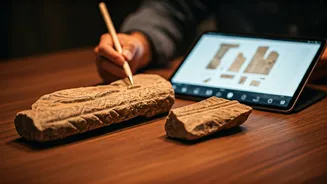
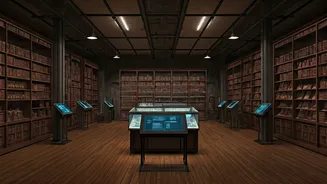
A key part of making the archives a student hub is modernisation. The Delhi government has been undertaking a massive project to digitize millions of pages of records. This serves two purposes: it preserves fragile documents from deterioration and, crucially, makes them far more accessible to researchers and the public. As these records move online, the potential for student engagement explodes. A researcher no longer needs to physically travel to the archive for every piece of information. This digital push, coupled with the new fellowships, aims to create a modern, accessible, and dynamic archival ecosystem. The goal is to ensure that these historical treasures are not just preserved but are actively used to expand our knowledge of the city's complex and layered past.