



The Disappointment of Dull Greens
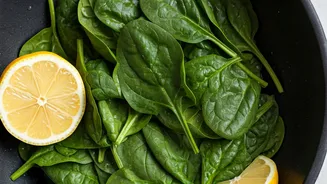
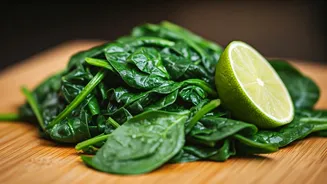
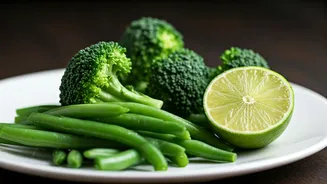
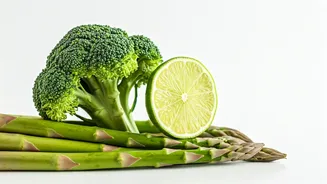
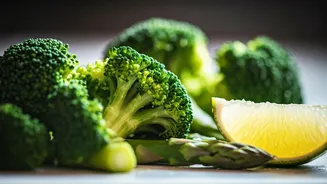
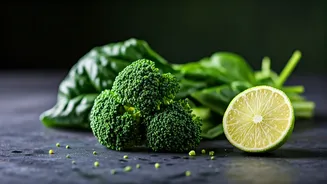
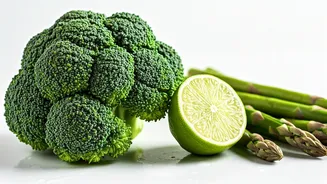
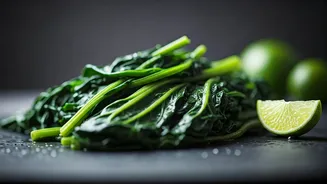
There’s a certain magic to a dish filled with vibrant green vegetables. It looks healthier, fresher, and infinitely more appetizing. Whether it’s crisp green beans, tender spinach, or perfectly cooked broccoli, the colour is a promise of flavour and nutrients.
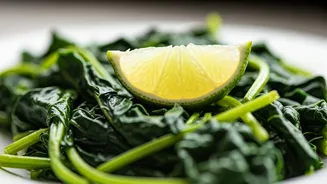
That’s why it’s so disheartening when those same vegetables lose their lustre during cooking, fading to a drab, uninspired brownish-green. This colour change doesn't just affect the visual appeal; it can often signal a change in texture and a loss of the vegetable's fresh taste. We eat with our eyes first, and serving a dish of dull-looking greens can make even the most delicious meal feel a little less special.
A Little Kitchen Chemistry
The brilliant green in vegetables like kale, peas, and methi comes from a pigment called chlorophyll. [17] Chlorophyll is powerful but delicate. When you heat green vegetables, a few things happen. Initially, trapped gases in the plant's cells escape, which can make the colour appear even brighter for a moment. [16] However, prolonged heat causes the cell walls to break down. This exposes the sensitive chlorophyll to the vegetable's own natural acids. [7, 21] When chlorophyll meets acid, a chemical reaction occurs: the magnesium atom at the centre of the chlorophyll molecule is replaced by hydrogen atoms, transforming it into a compound called pheophytin. [1, 16] This new compound is responsible for that unappealing grey-green colour. [1, 16] The longer you cook your greens, the more this transformation happens. [7]
The Lime Hack Explained
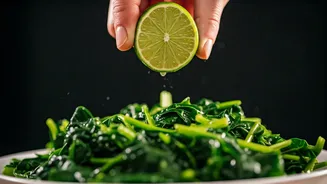
Here's where the humble lime comes to the rescue, but perhaps not in the way you think. The trick isn’t to cook the vegetables *in* lime juice, as adding acid at the beginning of the cooking process will actually speed up the colour loss. [1, 12] Instead, the hack is all about timing. The key is to add your squeeze of lime or other acid, like vinegar, at the very end of the cooking process, or even right before serving. [8, 25] By doing this, you get the bright, flavour-balancing benefits of the acid without giving it enough time on the heat to ruin the chlorophyll's vibrant colour. The acid brightens the overall flavour profile, making the vegetables taste fresher and, by extension, seem greener to our palate.
More Ways to Keep the Green
While the lime hack is a great finishing touch, there are other methods that are even more effective at preserving that vibrant colour from the start. The most popular technique among chefs is blanching. This involves cooking vegetables in a large pot of boiling, salted water for a very short time—usually just 2-3 minutes—until they turn bright green. [5, 14] Immediately after, you plunge them into a bowl of ice water. [5] This 'shocking' process stops the cooking instantly, locking in the colour and maintaining a crisp texture. [3, 5] Other tips include cooking the vegetables quickly, using high heat, and not overcrowding the pan, which ensures the water temperature stays high and reduces cooking time. [2, 10]
What About Baking Soda?
You may have heard of adding a pinch of baking soda to the cooking water to keep greens bright. It works by creating an alkaline environment, which prevents the chlorophyll from breaking down. [4, 7] However, this method comes with significant downsides. Baking soda can give vegetables a slightly soapy or bitter taste and, more importantly, it breaks down the cell walls too much, resulting in a mushy texture. [7, 13, 18] It also has been shown to destroy important nutrients like Vitamin C and B vitamins. [15, 18] For these reasons, most culinary experts recommend avoiding the baking soda trick in favour of methods like quick cooking and blanching.