






A New Eye in a Unique Orbit
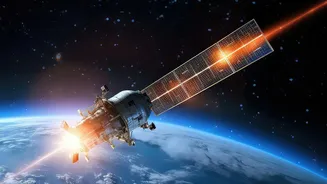
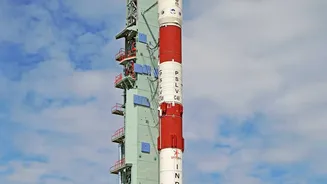
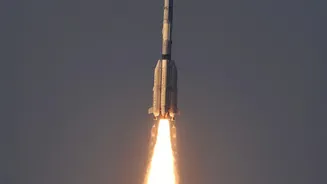
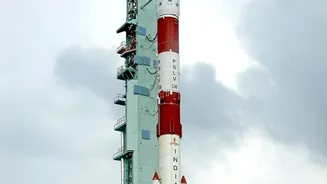
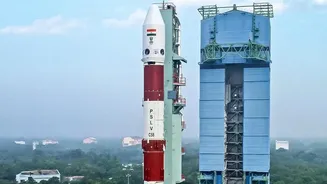
On September 4, 2026, ISRO's powerful Geosynchronous Satellite Launch Vehicle (GSLV-F17) lifted off from Sriharikota, carrying the 2,367 kg EOS-05 satellite. What makes this mission special is the satellite's destination: a geosynchronous orbit approximately
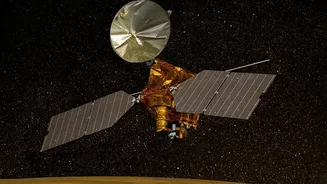
36,000 km above the Earth. Unlike most earth observation satellites that fly in low orbits and revisit a location only every few days, EOS-05 will match the Earth's rotation. This allows it to hover over the Indian subcontinent continuously, providing a persistent and watchful eye over a large geographical area. This successful launch is a significant achievement, especially as it replaces the unsuccessful EOS-03 mission from 2021, which was lost due to a technical anomaly.
Advanced Imaging for National Security
One of the most critical applications for EOS-05 is bolstering India's national security. Satellites have become indispensable assets for modern defence, providing vital intelligence, surveillance, and reconnaissance (ISR) capabilities. The ability of EOS-05 to provide near-real-time, high-resolution imagery will significantly enhance the monitoring of India's borders and maritime areas. This constant surveillance helps in tracking troop movements, observing infrastructure development in neighbouring regions, and maintaining maritime domain awareness. As geopolitical competition increasingly extends into space, developing and controlling such space-based assets is crucial for safeguarding the nation's sovereignty and strategic interests. EOS-05 is a key part of India's broader plan to expand its constellation of surveillance satellites, reducing reliance on foreign data and strengthening its independent monitoring capabilities.
A Game-Changer for Disaster Management
India's geography makes it vulnerable to a range of natural disasters, including floods, cyclones, and forest fires. The unique orbital position of EOS-05 makes it a powerful tool for disaster management. Its ability to provide continuous imagery of the subcontinent means it can track the development of fast-moving events like cyclones and cloudbursts in near real-time. This information is invaluable for providing early warnings, allowing authorities to plan evacuations and mobilise resources more effectively. After a disaster strikes, the satellite's data can be used to map the extent of flooding or fire damage, guiding rescue and relief efforts to the areas that need it most. This capability to see events unfold from space marks a significant leap forward in protecting lives and property.
Transforming Agriculture and Planning
Beyond security and emergencies, EOS-05 promises to bring tangible benefits to India's farmers and urban planners. ISRO's satellite technology is already revolutionising Indian agriculture by providing data on soil health, crop development, and water resources. EOS-05 will enhance these services by offering frequent updates that can help in forecasting yields, managing water for irrigation, and assessing crop damage from pests or weather events. This move towards data-driven precision agriculture helps farmers optimise the use of fertilisers and pesticides, increasing productivity while promoting sustainability. For urban areas, the satellite's imagery can be used to monitor urban sprawl, plan infrastructure development, and manage natural resources, contributing to smarter and more sustainable cities.
A Stepping Stone for Future Ambitions
The successful launch of EOS-05 is more than just a single mission; it represents a key advancement in India's space program. It demonstrates the growing capability of the GSLV rocket, which successfully carried its heaviest payload to date. This mission solidifies ISRO's expertise in operating complex satellites in high orbits, paving the way for even more ambitious projects. The EOS program is part of a larger strategic vision for India to have a robust constellation of over 150 satellites for communication, navigation, and observation. This network will provide a wide range of services, from secure military communications to public-facing applications, reinforcing India's position as a leading space-faring nation.