
The Tale of Two Irons
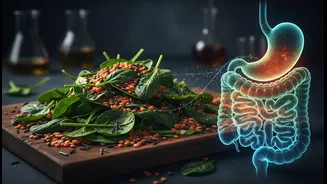
Iron in food comes in two forms: heme and non-heme. Heme iron, found in animal products like meat, fish, and poultry, is the more easily absorbed of the two, with your body taking in up to 35-40%. Non-heme iron is the type found in plant-based foods like lentils,
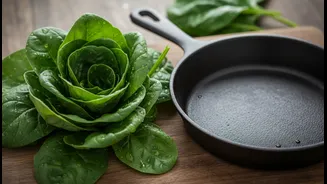
beans, spinach, nuts, and fortified grains. While it makes up the majority of iron in most diets, it's significantly less bioavailable. Your body's absorption rate for non-heme iron is much lower, typically between 2% and 20%. This difference is crucial, especially for vegetarians, vegans, or anyone reducing their meat intake.
The Challenge with Plant-Based Iron
So why is non-heme iron harder for our bodies to use? Plant foods contain naturally occurring compounds that can inhibit iron absorption. Chief among these are phytates, found in whole grains, legumes, and nuts, and polyphenols (including tannins) found in coffee, tea, and even some fruits and vegetables. Phytates can reduce iron absorption by 50% or more, while a single cup of coffee with a meal can hinder it by up to 60%. Another compound, oxalates, found in foods like spinach and beets, can also bind to iron, making it less available. This doesn't mean these foods are unhealthy—far from it—but it does mean we need to be strategic.
Meet Iron's Super-Sidekick: Vitamin C
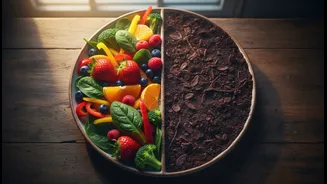
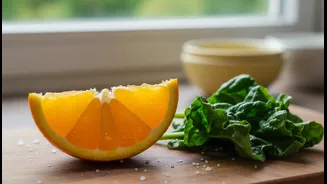
Here’s the game-changing secret: Vitamin C is the most powerful enhancer of non-heme iron absorption. When consumed in the same meal, Vitamin C captures non-heme iron and converts it into a form that your body can absorb much more easily. Studies have shown that adding Vitamin C to a meal can increase iron absorption several times over. This simple pairing is the single most effective way to boost the iron you get from plant sources, effectively counteracting the effects of inhibitors like phytates and tannins.
Building the Perfect Plate
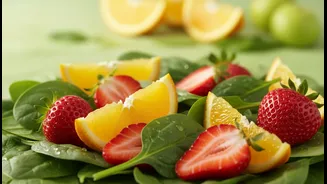
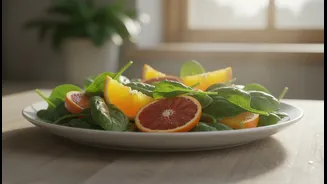
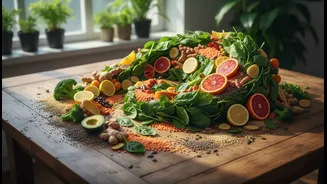
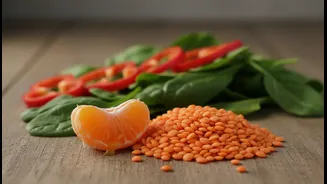
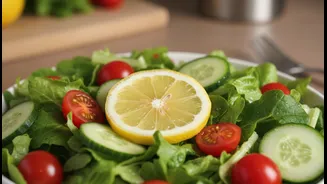
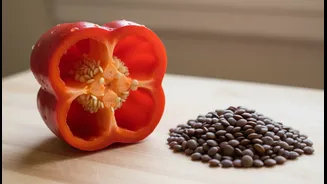
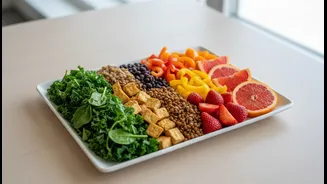
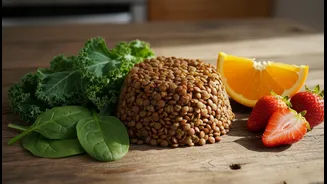
Putting this knowledge into practice is easy and delicious. The goal is to combine an iron-rich plant food with a Vitamin C-rich food in the same meal. Think about a lentil soup brimming with tomatoes, a spinach salad topped with strawberries and a lemon vinaigrette, or a tofu stir-fry packed with broccoli and bell peppers. Even adding a squeeze of lemon or lime to a bean chili or a side of kiwi or orange slices with your fortified breakfast cereal can make a significant difference. These combinations create a synergistic effect, ensuring you get the maximum benefit from your meal. Other good pairings include chickpeas with bell peppers or oatmeal with berries.
Timing Your Inhibitors
Just as important as what you pair with your iron is what you separate from it. If you're focusing on boosting your iron levels, try to avoid drinking coffee or tea with your iron-rich meals. Instead, enjoy them between meals. Calcium is another inhibitor of both heme and non-heme iron, so it's wise to separate high-calcium foods (like dairy milk or fortified plant milks) and calcium supplements from your main iron-focused meals. For example, if you have a lentil-based lunch, save your milky tea or coffee for an hour or two later.