



Choose Your Fasting Style
Before diving into food specifics, know that Janmashtami fasting isn't one-size-fits-all. The two most common types are 'Nirjala' and 'Phalahari'. A Nirjala vrat is the strictest form, observed without consuming any food or water. A Phalahari vrat is more
common and allows for the consumption of fruits, dairy, and other specific fasting-friendly foods. For first-time devotees, the Phalahari approach is highly recommended as it is more manageable while still upholding the spiritual essence of the fast. The goal is devotion, and choosing a fast that suits your health and capacity is key.
The 'Yes' List: Foods to Embrace
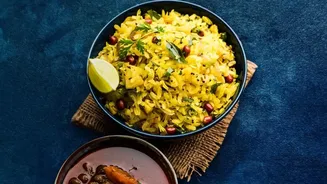
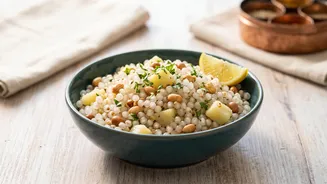
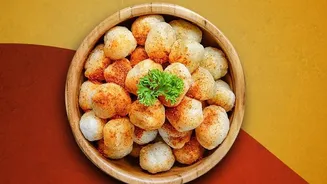
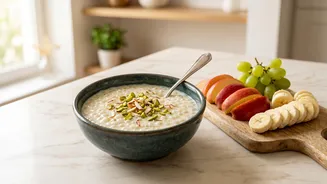
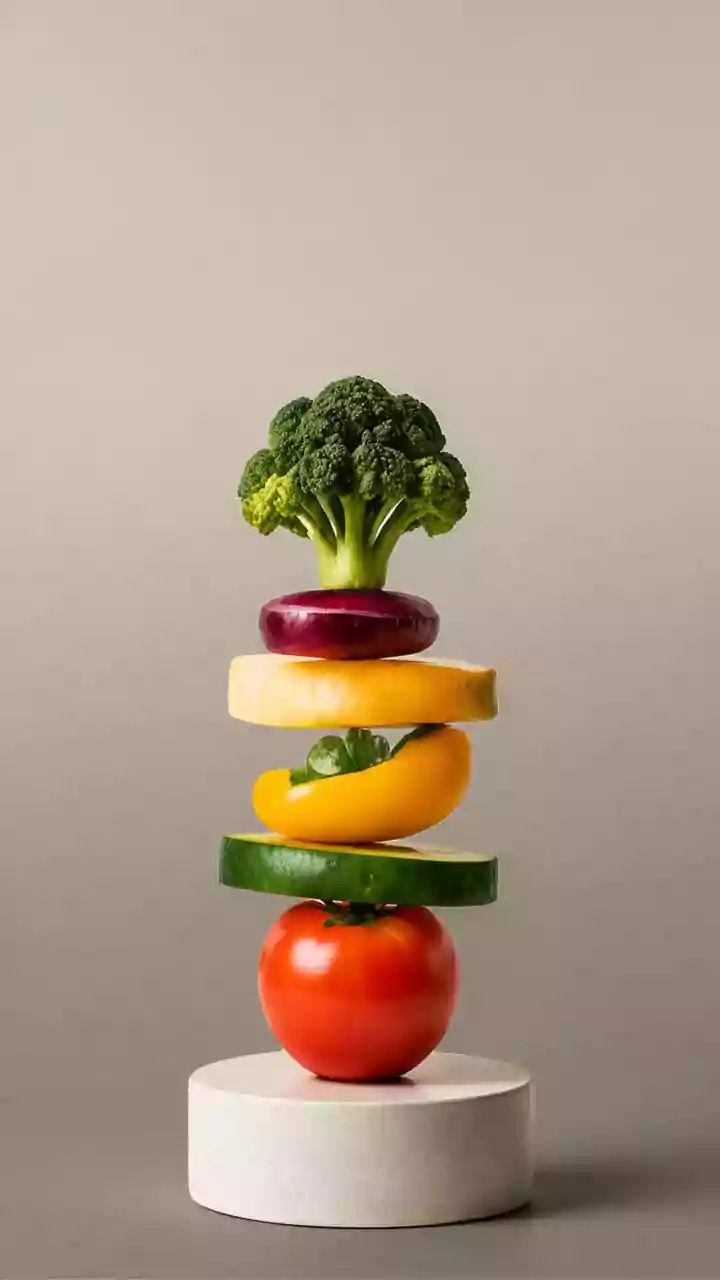
During a Phalahari fast, you have a variety of nourishing options to keep you going. The diet is meant to be 'sattvic,' or pure and calming for the mind. Your go-to foods include all kinds of fresh fruits like bananas, apples, and pomegranates. Dairy products such as milk, curd, buttermilk, and paneer are central to the vrat diet. For more substantial meals, you can rely on special flours like Kuttu (buckwheat), Singhara (water chestnut), and Rajgira (amaranth). Vegetables like potatoes, sweet potatoes, pumpkin, and raw banana are also permitted. Sabudana (tapioca pearls) and Samak (barnyard millet) are versatile staples used to make dishes like khichdi, kheer, and vadas. For seasoning, you must switch from regular table salt to Sendha Namak (rock salt).
The 'No' List: Foods and Items to Avoid
The list of prohibited items is just as important. The primary rule is to avoid all grains and cereals, which includes wheat, rice, oats, and corn. All pulses and lentils are also off the menu. During the fasting period, it is essential to abstain from non-vegetarian foods, including meat, fish, and eggs. Onions and garlic are considered 'tamasic' (producing negative energy) and are strictly avoided in all fasting preparations. Regular table salt is forbidden; only rock salt (sendha namak) should be used. Additionally, alcohol and tobacco are not to be consumed.
Staying Hydrated and Energised
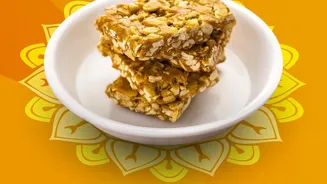
While a Nirjala fast excludes water, a Phalahari vrat encourages hydration. You can drink water, coconut water, and fresh fruit juices throughout the day. Milk-based drinks like lassi or buttermilk are also excellent choices. To maintain energy levels between meals, a handful of nuts and dry fruits like almonds, walnuts, and dates are perfect. Roasted makhana (fox nuts), lightly seasoned with rock salt and pepper, is another popular and healthy snack that can help you avoid the temptation of deep-fried, heavy vrat foods. The aim is to feel light and focused, not lethargic.
The Midnight Puja and Breaking the Fast
The Janmashtami fast is typically broken after the midnight puja, which celebrates the birth moment of Lord Krishna during what is known as the Nishita Kaal. However, traditions vary. Some devotees break the fast right after the midnight aarti, while others, particularly in Vaishnava traditions, wait until sunrise the next day. This process of breaking the fast is called 'Parana'. When you do break your fast, start with the 'prasad' offered during the puja, which often includes Panchamrit (a mix of milk, curd, ghee, honey, and sugar) and fruits. It is advisable to eat a light meal first, such as sabudana khichdi or a simple fruit salad, to allow your digestive system to adjust after the day-long fast.