
Beyond a Diary for Trees
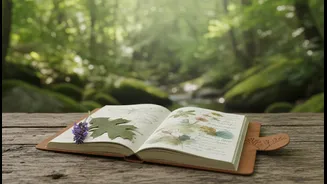
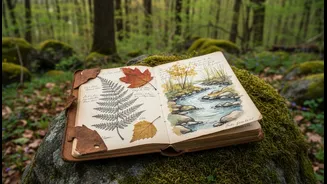
What exactly is nature journaling? It's much more than just keeping a diary about the outdoors. It's the practice of recording your observations of the natural world using a combination of words, pictures, and numbers. Prominent nature journaling advocate
John Muir Laws describes it as a “fundamental thinking tool” that helps you see, wonder, and remember your experiences. It’s not about creating perfect art; in fact, you don't need to be an artist or a naturalist to begin. The goal is to use the journal to deepen your attention. This could mean sketching a flower, writing down the sounds a bird makes, counting the petals on a blossom, or simply recording your thoughts and feelings while sitting under a tree.
A Story in Slow Motion
The true magic of nature journaling unfolds over time. A single entry captures a moment: a specific sunset, a beetle on a leaf, the pattern of frost on a window. But a collection of entries, compiled over weeks, months, or seasons, tells a much larger story. Your journal becomes a personal, hyper-local record of the landscape's rhythm. You begin to notice the story of small changes: the exact day the first mango blossoms appear, the gradual shift in the angle of the sun, the arrival and departure of migratory birds. These details, which are usually lost in the blur of daily life, become key plot points in the ongoing narrative of your environment. The journal helps you see patterns and connections that would otherwise remain invisible.
An Exercise in Mindfulness
Beyond tracking ecological change, nature journaling is a powerful practice in mindfulness. The act of stopping, observing closely, and recording what you sense grounds you in the present moment. Researchers and practitioners note that it can be a restorative activity, reducing stress, anxiety, and feelings of being overwhelmed. By focusing your attention intently on one small part of the natural world, you are giving your brain a break from the constant stream of digital notifications and to-do lists. It’s a meditative process that requires you to engage your senses fully, helping to cultivate a sense of calm and wonder. This deliberate act of paying attention can feel like a quiet rebellion against the frantic pace of modern life.
Building a Deeper Connection
When you consistently observe a place, it ceases to be just a backdrop. The park at the end of your street is no longer just 'the park'; it becomes a place of known characters and recurring events. You know which tree the parakeets nest in and where the water pools after a monsoon shower. This detailed knowledge fosters a deep sense of connection and stewardship. For many, this personal connection can even lead to a greater interest in conservation and citizen science. Observations recorded in a journal, such as species sightings or flowering times, can contribute to larger scientific datasets that help track environmental health. It transforms you from a passive spectator into an engaged participant in the life of your ecosystem.
Getting Started is Simple
The beauty of nature journaling is its accessibility. You don't need expensive equipment or special training. All you really need is a notebook, a pencil, and a willingness to be curious. Start small. Find a 'sit spot' in your garden, a local park, or even a single potted plant on your balcony. Spend fifteen minutes there. What do you see? What do you hear? What do you smell? Sketch a leaf, even if it's just a simple contour drawing. Write down three things you notice that you've never noticed before. The key is not to judge your artistic skill or the quality of your prose, but to simply open your senses and record what they tell you.