




The Unseen Dangers on a Daily Stroll
Every walk, whether through a grassy park or on a city pavement, exposes your dog to a host of potential irritants. Beyond visible mud and dirt, their fur and paws can pick up allergens like pollen, lawn chemicals, and parasites such as fleas and ticks.
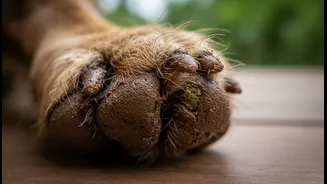
Plant materials like burrs and sharp, barbed foxtails are particularly hazardous. These items don't just sit on the surface; they can get tangled in the fur, work their way down to the skin, and even burrow into it, creating entry points for bacteria.
From Tangled Fur to Painful Infections
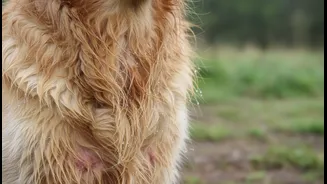
When fur isn't cleaned after a walk, trapped moisture, dirt, and debris can cause it to become tangled and matted. These mats are not just unsightly; they create a dangerous environment on your dog's skin. A mat pulls tightly on the skin, causing pain and restricting air circulation. This warm, moist environment trapped beneath the matted fur is a perfect breeding ground for bacteria and yeast. This can quickly lead to common but painful conditions like pyoderma (a bacterial skin infection), hot spots (acute moist dermatitis), and fungal infections. The constant pulling and irritation from the mat can also cause sores and open wounds, making the skin even more vulnerable.
Signs of a Developing Problem
An infection may already be taking hold if you notice your dog is constantly licking, scratching, or chewing at a specific area. Other tell-tale signs include redness, inflammation, scabs, or flaky skin. You might see pimple-like pustules, notice patches of hair loss, or detect an unusual musty odour from their coat or ears. A dog in discomfort might also seem more restless or irritable than usual. These symptoms are your pet's way of telling you something is wrong and should not be ignored.
The High Cost of Treatment
The term "expensive veterinary interventions" is not an exaggeration. Treating a skin infection often involves multiple vet visits, diagnostic tests like skin scrapes or cultures, and a course of medication. The treatment regimen can include oral antibiotics, antifungal medications, steroid creams to reduce itching, and medicated shampoos. For a relatively mild case of pyoderma, costs can quickly add up, running into several hundred dollars for diagnosis and initial treatment. More severe or recurrent infections, especially those caused by resistant bacteria, require longer treatment and can become a significant financial burden.
A Simple Five-Minute Prevention Plan
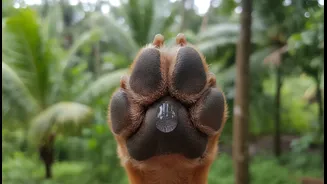
The good news is that most of these issues can be prevented with a simple routine when you get home. First, do a quick visual inspection of your dog's coat and paws, looking for any burrs, ticks, or thorns. Pay special attention to the areas between the toes and under the legs. Use a damp cloth or pet-safe wipes to clean their paws, removing allergens and chemicals. For their coat, a quick brush-through with a suitable comb or brush can remove loose debris and prevent tangles before they start. It's crucial to dry their fur thoroughly, especially on damp days, as moisture is a key contributor to matting and infections. This five-minute check is a small investment of time that pays huge dividends in your dog's health and comfort.