


A Land of a Thousand Mangoes
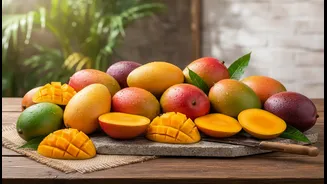
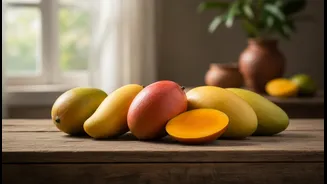
India is the undisputed heartland of the mango, cultivating the fruit for over 4,000 years. This long history has resulted in an astonishing level of biodiversity. While official estimates vary, it is believed that India is home to between 1,000 and 1,500
different varieties of mangoes. Of these, only about 20 are grown on a major commercial scale, leaving hundreds of unique, regional specialities largely unknown to the wider public. These heirloom varieties are often tied to the specific ecogeographical conditions of their home regions, from the coastal soils of Goa to the fertile plains of West Bengal. Exploring them is not just a culinary adventure but a journey into India's rich agricultural heritage.
Imam Pasand: The Royal Favourite
Also known as Himayat, the Imam Pasand is a large, premium mango from the southern states of Andhra Pradesh, Telangana, and Tamil Nadu. Its name, which translates to "Imam's favourite," hints at its regal origins, with lore suggesting it was a fruit of choice for Mughal royalty. Prized by connoisseurs, it has an exceptionally sweet flavour with citrusy or floral overtones, and a smooth, creamy, almost fibreless flesh that melts in your mouth. Unlike many other varieties, it has a very thin seed, which means there is more delicious pulp to enjoy.
Mankurad: The Pride of Goa
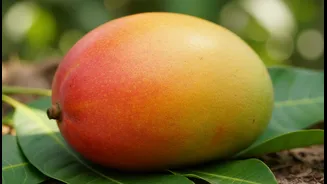
Often considered by Goans to be superior even to the Alphonso, the Mankurad is the undisputed king of mangoes in the coastal state. Ironically, its name is a local adaptation of "malcorado," meaning "poorly coloured" in Portuguese, a name given by colonisers unimpressed by its plain yellow skin. The taste, however, is anything but poor. It is exceptionally sweet, juicy, and has a complex, honey-like flavour. A delicate and perishable fruit with a short shelf life, it is rarely found outside Goa and its neighbouring regions, making it a true local treasure. In August 2023, it was granted a Geographical Indication (GI) tag, officially recognising its unique Goan origin.
Himsagar: Bengal's Sweet Secret
Originating from West Bengal and Bangladesh, the Himsagar is a mango so beloved in its region that many consider it one of India's finest. It is a medium-sized mango with a defining characteristic: it is completely fibre-free, with a creamy texture and an intensely sweet taste. Its skin often remains greenish-yellow even when fully ripe, which can confuse those unfamiliar with it. Himsagar is celebrated for its pleasant aroma and is a key ingredient in many traditional Bengali desserts. Though incredibly popular locally, its delicate nature makes it difficult to find far from where it is grown.
Gulab Khas: The Rose-Scented Wonder
As its name suggests, the Gulab Khas or 'Special Rose' is famous for its distinct floral aroma that strongly resembles roses. Grown primarily in Bihar and West Bengal, this small to medium-sized mango often has a beautiful pinkish blush on its skin. The flavour is as unique as its scent—delightfully sweet with floral notes. It is a rare variety, produced in small quantities and highly sought after in local markets by those who know of its exquisite sensory profile. Its delicate nature and short shelf life mean it is best enjoyed fresh, offering a truly unique tasting experience.
Preserving a Precious Heritage
This incredible diversity, however, faces threats. The commercial dominance of a few varieties puts pressure on farmers to abandon their traditional, less productive, but unique cultivars. Climate change also poses a significant risk, with erratic weather patterns affecting the sensitive flowering and fruiting cycles of mango trees across the country. Supporting and seeking out lesser-known mangoes is more than just a treat for the taste buds; it helps 'custodian farmers' who maintain this vital agricultural biodiversity, ensuring that these unique flavours and histories are not lost to time.