




Embrace the 'First In, First Out' Rule
The simplest and most effective way to tackle leftovers is the 'First In, First Out' (FIFO) method, a trick used in professional kitchens. When you unpack groceries or store new items, place them behind the older ones. This simple act of rotation ensures
that food nearing its use-by date is always at the front, visible, and used first. It prevents half-used packets of spices or nearly-empty jars from getting lost in the back of the cupboard. Make it a habit to pull everything forward. This small change makes a huge difference in reducing accidental waste and saves you from buying duplicates of items you already have.
Create a Designated 'Eat Me First' Zone
Out of sight truly is out of mind in a crowded pantry or fridge. To combat this, create a clearly marked 'Eat Me First' box or shelf. This is the designated home for all open packets of snacks, leftover mithai that won't last another week, and any produce that’s starting to look a little tired. This visual cue prompts everyone in the household to reach for these items first before opening something new. It takes the guesswork out of what needs to be consumed urgently and is an incredibly effective strategy for preventing good food from ending up in the bin. Keep the box at eye level in the fridge or at the front of a pantry shelf for maximum impact.
Decant, Label, and See Everything
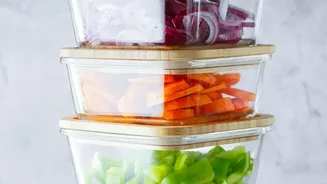
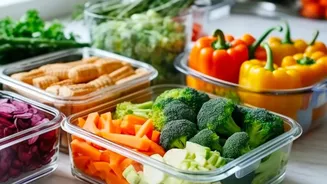
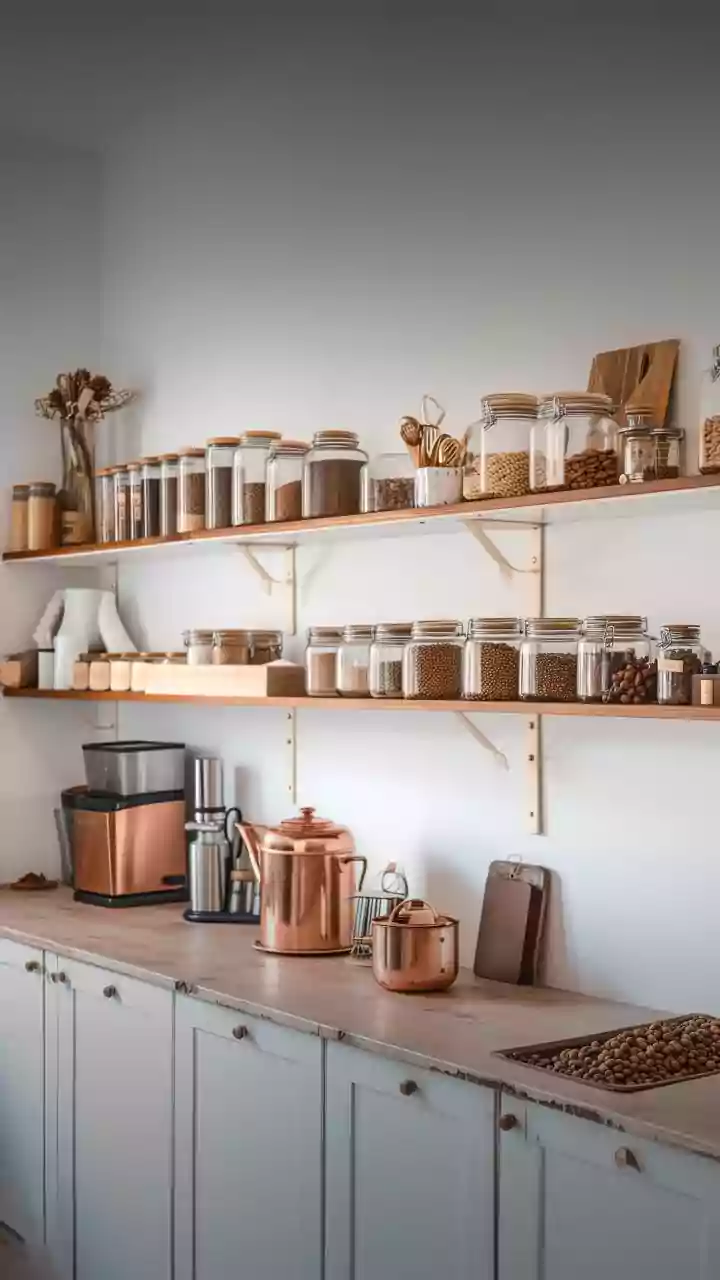
Festive gifting often results in a collection of decorative boxes and assorted packaging. While beautiful, they hide what’s inside. A key part of a pantry audit is to decant items into clear, airtight containers. This isn't just for aesthetics; it allows you to see exactly how much you have of everything at a glance. More importantly, label every container with the item's name and the date you stored it. You'll never again have to guess if that powder is besan or maida, or how long that box of laddoos has been in the fridge. Proper storage keeps food fresh and makes your pantry a functional, easy-to-navigate space.
Think Ingredient, Not Just Leftover
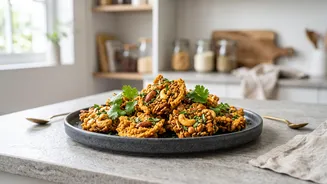
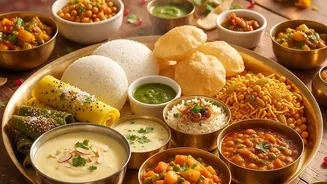
Shifting your mindset is a powerful hack. Instead of seeing a box of 'leftover mithai', see it as a sweet, flavourful ingredient. That handful of motichoor laddoos can be crumbled to form a decadent cheesecake base or blended into a milkshake. Pieces of barfi can be melted into milk to create a quick, flavourful kheer or even a unique kulfi. Savoury snacks like chakli or mathri can be crushed to create a crunchy coating for cutlets or added to a trail mix. By reframing leftovers as building blocks for new dishes, you unlock a world of culinary creativity and ensure nothing goes to waste.
Give Sweets a Gourmet Makeover
There's a limit to how many days you can eat the same sweet post-festival. Instead of forcing it, transform it. You can easily turn leftover gulab jamuns into an Indian-inspired tiramisu by layering them with saffron-infused cream. Kaju katli can be blended into a creamy mixture to become the star of a no-bake cheesecake. Even simple besan laddoos can be crumbled and used as a stuffing for a sweet paratha, creating a unique breakfast treat. These creative twists don't just use up the sweets; they create entirely new and exciting desserts that will have your family asking for the recipe.
Master the Two-Hour Rule
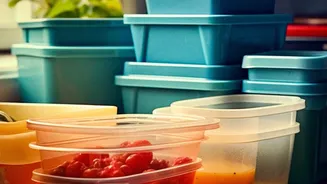
Promptly storing leftovers is crucial for food safety. The 'danger zone' for bacterial growth in food is between 40°F and 140°F (about 4°C to 60°C). A critical rule to follow is to never leave perishable food sitting at room temperature for more than two hours. After a big festive meal, it's tempting to relax and leave the cleanup for later, but this can render food unsafe. Make it a priority to divide large quantities of food into smaller, shallow containers for rapid cooling and get them into the refrigerator as soon as possible. A quick response not only preserves the food but also protects your family's health.