





Jamun: The Purple Powerhouse
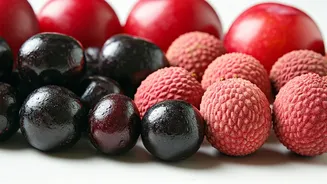
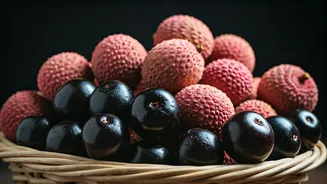
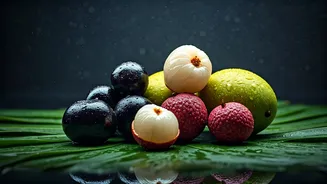
The jamun, also known as Java plum or Indian blackberry, is the quintessential monsoon fruit. Its deep purple hue and unique sweet-tart flavour are a hallmark of the season. Jamuns are not just a nostalgic treat; they are packed with nutrients like iron,
potassium, and vitamins A and C. These properties are perfect for the monsoon, as the high vitamin C content helps bolster the immune system against common seasonal illnesses like colds and flu. Furthermore, jamun is celebrated in Ayurvedic traditions for its ability to aid digestion and manage blood sugar levels, making it a great choice for those with diabetes. Its antimicrobial properties can also help combat infections that are more common during the rainy season.
Litchi: A Sweet, Fleeting Delight
Though its season begins in the hot summer months, the litchi's availability often extends into the first weeks of the monsoon, offering a final window to enjoy its sweet, floral-scented pulp. Litchis are highly perishable, which is why their brief appearance makes them feel so special. They are an excellent source of Vitamin C and antioxidants, which are crucial for maintaining a strong immune system. With their high water content, litchis are also incredibly hydrating, a benefit that remains important even as the temperatures cool during the rains. Their delightful sweetness provides a natural energy boost to combat the lethargy that can sometimes accompany grey, rainy days.
Peach: A Fuzzy, Fragrant Treat
Soft, fragrant, and wonderfully juicy, the peach (or 'Aadu') is another star of the July fruit basket. Primarily arriving from the cooler northern regions of India, peaches are rich in vitamins A and C, antioxidants, and dietary fibre. The fibre content aids in maintaining a healthy digestive system, which can sometimes be sluggish during the monsoon. The vitamins and antioxidants contribute to healthy skin, which can often be affected by the high humidity. Beyond its health benefits, the simple act of biting into a ripe, fragrant peach is a sensory pleasure that can brighten any rainy afternoon.
Cherries: A Bite of Vibrancy
With their vibrant red colour and delightful sweet-tart taste, cherries have a short but glorious season that often overlaps with the beginning of the monsoon. These small stone fruits are packed with antioxidants and anti-inflammatory compounds. They are also a good source of potassium and melatonin, which can help regulate blood pressure and improve sleep quality. Their rich nutrient profile helps protect the body's cells from damage and supports overall wellness, making them a valuable addition to your monsoon diet.
Pomegranate: Jewels of Immunity
While available for many months, pomegranates (or 'Anar') are particularly beneficial during the monsoon. The rainy season often brings a higher risk of infections, and pomegranates are renowned for their immunity-boosting properties. The jewel-like seeds, called arils, are loaded with Vitamin C, antioxidants, and compounds with potent anti-inflammatory and antibacterial effects. Studies suggest these properties can help the body fight off various pathogens. Including pomegranate in your diet can help strengthen your defenses and keep you healthy throughout the season.
Plums: Tart and Nutrient-Dense
Plums, known locally as 'Aloo Bukhara', offer a wonderful balance of sweet and sour flavours. They are full of essential minerals, fibre, and antioxidants. The fibre in plums is particularly well-known for aiding digestion and preventing constipation, a welcome benefit during a season where digestive issues can be common. Rich in vitamin C, they also contribute to a stronger immune system. Whether eaten fresh or used to make a tangy chutney, plums are a versatile and healthy fruit to enjoy while watching the rain fall.