



From Aesthetic to Functional
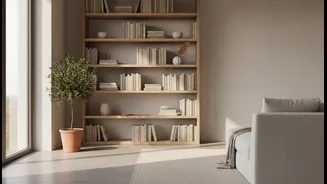
Minimalism has been largely defined by its visual appeal: clean lines, empty surfaces, and a curated scarcity of objects. This is often called aesthetic minimalism. While beautiful, it can feel impractical and even stressful to maintain in a home with
kids, pets, and the general messiness of daily life. Functional minimalism, on the other hand, shifts the focus from how things look to how they work. The core principle isn't just to own less, but to own what is necessary and useful to make your daily life smoother. It’s a mindset focused on utility, where every item serves a purpose in your actual routines, rather than being part of a carefully staged photo. This approach is less about deprivation and more about intentionality, creating a system that actively supports your life instead of adding another layer of rules to follow.
Streamlining Your Kitchen Routine
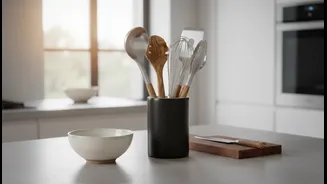
The kitchen is the heart of the home and often the hub of clutter. Applying functional minimalism here can have a huge impact. Instead of aiming for perfectly empty countertops, focus on what makes cooking and cleaning easier. Keep frequently used items like your coffee maker, a knife block, and a bottle of cooking oil accessible. Everything else should have a designated, logical home. When you declutter, think about your routines. Do you have five different gadgets that perform the same task? Are your food storage containers a jumbled mess? Assess what you use daily or weekly and let go of the rest. Storing items where you use them—spices near the stove, dish soap by the sink—reduces friction and makes tidying up a natural part of the cooking process. A clean-as-you-go habit becomes much simpler when everything has a home and there's less to put away.
Taming the Laundry and Cleaning Monster
Household chores like laundry and cleaning can feel endless. Minimalism offers a path to simplification. Fewer clothes mean smaller, more manageable laundry loads and less to fold and put away. You don't need a perfectly curated capsule wardrobe, but simply being more intentional about what you own can make a significant difference. For cleaning, the principle is simple: the less stuff you have, the less you have to clean around. Clear floors are easier to sweep, and clear surfaces are easier to wipe down. Establishing a small, daily reset routine—like a quick 15-minute tidy-up before bed—can prevent clutter from accumulating and turning into an overwhelming task. This isn't about deep cleaning every day, but about maintaining order so that bigger cleaning jobs are less frequent and less daunting.
A Realistic Approach for Families
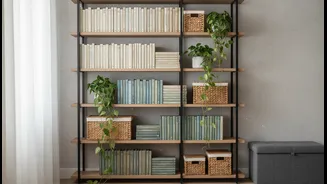
Minimalism with children might seem impossible, but it’s about adapting the principles to a family’s reality. It starts with a conversation about what's important. Rather than enforcing strict rules, focus on creating systems. Use open, visible storage for toys to make cleanup intuitive for kids. Having a designated home for everything is crucial; a large basket for stuffed animals, for example, not only tidies the space but also sets a physical limit on how many can be kept. It's also effective to lead by example. Start by decluttering your own possessions first. When children see the benefits in your life—less stress, more free time—they are more likely to get on board. The goal isn't a toy-free house, but a home where possessions don't overwhelm family life.
Designing for Daily Flow
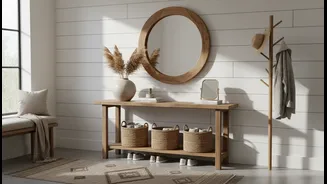
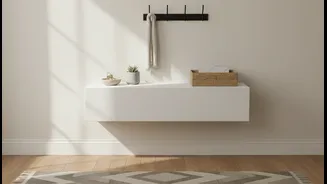
Think about the high-traffic areas of your home, like the entryway. This is where mail, keys, shoes, and bags accumulate daily. A functional minimalist approach would be to design a system that manages this flow. This could be a simple console table with a bowl for keys, a designated spot for incoming mail, and a shoe rack. The solution doesn't have to be expensive or aesthetically perfect; it just has to work for your household. The idea is to create what some call a 'launchpad'—a spot where everything you need to leave the house is ready to go, and a 'landing strip' for everything you bring inside. By giving every item a home, you prevent piles from forming and reduce the mental load of constantly looking for misplaced things.