








The Primary Reason: Reducing Phytic Acid
The most significant science-backed reason to soak mangoes is to reduce their phytic acid content. Phytic acid is a natural compound found in many plant-based foods, including mangoes, nuts, and vegetables. It's often called an 'anti-nutrient' because
it can bind to essential minerals like iron, zinc, and calcium in your gut, preventing your body from absorbing them effectively. Soaking mangoes in water for even just 30 minutes helps to break down and leach out some of this phytic acid. This simple step ensures you get the maximum nutritional benefit from the fruit by improving mineral absorption.
Tackling the Traditional 'Heat'
In traditional Indian and Ayurvedic wisdom, mangoes are known to have a thermogenic or 'heating' effect on the body. This is believed to be why some people experience issues like acne, heat rashes, or digestive discomfort after consuming them, especially in large quantities. While the scientific mechanism isn't fully defined as 'heat', the concept is linked to how the body metabolizes the fruit. Soaking mangoes in water is traditionally believed to counteract this property, having a cooling effect and making the fruit gentler on the system. Ayurvedic experts suggest soaking for 30 minutes to an hour to help balance the fruit's properties before consumption.
Washing Away More Than Just Dirt
Beyond dirt and dust, soaking is an effective way to clean the mango's skin of potentially harmful residues. These can include pesticides and chemicals used during cultivation and transportation. A good soak for 20-30 minutes helps dissolve and wash away these surface contaminants, making the fruit safer to handle and eat. This is particularly important because another compound of concern is the milky sap, or latex, that seeps from the stem. This sap contains urushiol, the same irritant found in poison ivy, which can cause skin irritation, rashes around the mouth (known as 'mango dermatitis'), or throat irritation in sensitive individuals. Soaking helps to effectively remove this sticky, allergenic residue.
Enhanced Taste and Texture
Beyond the health benefits, soaking mangoes can genuinely lead to a better eating experience. During transport and storage, mangoes can lose some of their moisture. Soaking them in water helps to rehydrate the fruit. This process can result in a plumper, juicier pulp and a firmer, more succulent texture. Many also find that it enhances the natural sweetness and makes the fruit more refreshing, especially when enjoyed on a hot summer day. The process can also help soften the skin of certain varieties, making them easier to peel.
How to Soak Mangoes Correctly
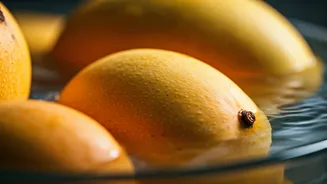
The process is simple but effective. Place your whole, unpeeled mangoes in a large bowl of clean, room-temperature or cool water. Ensure they are fully submerged. The ideal soaking time is between 30 minutes and two hours. If you're short on time, even a 20-30 minute soak can provide benefits. After soaking, give the mangoes a final rinse under running water, pat them dry, and they are ready to be enjoyed.