


The Allure and The Reality
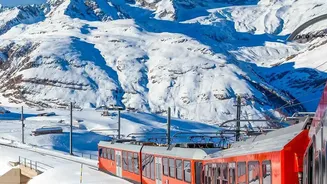
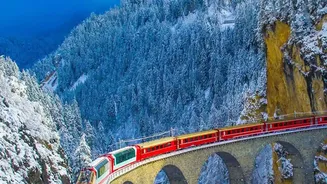
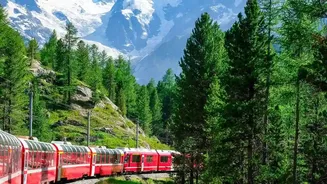
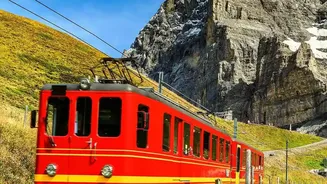
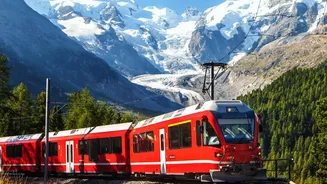
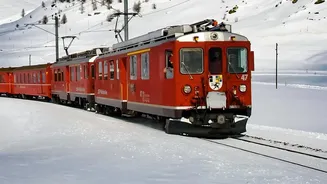
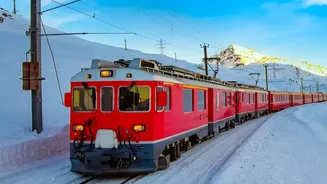
A train journey through India’s mountains in winter is an experience in itself. The crisp air, the dramatic landscapes, and the slow, rhythmic chug of the engine create a nostalgic escape. Many travellers plan these trips hoping to witness heavy snowfall,
transforming the journey into a fairy tale. However, this is the crucial point where dreams meet reality. The headline says it all: snowfall cannot be guaranteed. Weather in the Himalayas is notoriously unpredictable. While you can travel during the peak winter months to maximise your chances, a blanket of fresh snow on your specific travel dates is a matter of luck. The key to a successful trip is to embrace the journey for its inherent beauty and consider any snowfall a delightful bonus, not a requirement.
Kalka to Shimla: The Himalayan Queen
Arguably the most famous of India's mountain railways, the Kalka-Shimla Toy Train is a UNESCO World Heritage Site. This narrow-gauge line ascends over 96 kilometres from the plains of Kalka to the hill station of Shimla, navigating more than 100 tunnels and 800 bridges. During winter, the pine forests and hills along the route can be dusted or even blanketed in snow, creating breathtaking vistas. The best window for experiencing snowfall in Shimla is typically from late December to February, with January often being the most promising month. However, even in peak season, snow is not a daily occurrence. Travellers should book tickets well in advance, especially for the holiday season, and be prepared for potential fog-related delays on connecting trains from Delhi.
Kashmir: The Banihal to Baramulla Line
For those seeking the most dramatic and probable snow-covered rail journey, the route through the Kashmir Valley from Banihal to Baramulla is a prime candidate. Often called India's 'Polar Express', this line offers panoramic views of a landscape frequently transformed into a white wonderland during winter. The train journey, which takes about three hours, passes through towns like Qazigund, Anantnag, and Srinagar, with the Pir Panjal mountain range providing a stunning backdrop. Unlike the toy trains, this is a broad-gauge line that serves as a crucial link for locals. The experience of gliding through vast, snow-laden fields and past chinar trees heavy with snow is truly spectacular and perhaps the closest one can get to a guaranteed snowy train ride in India, particularly in January and February.
Darjeeling's Legendary Toy Train
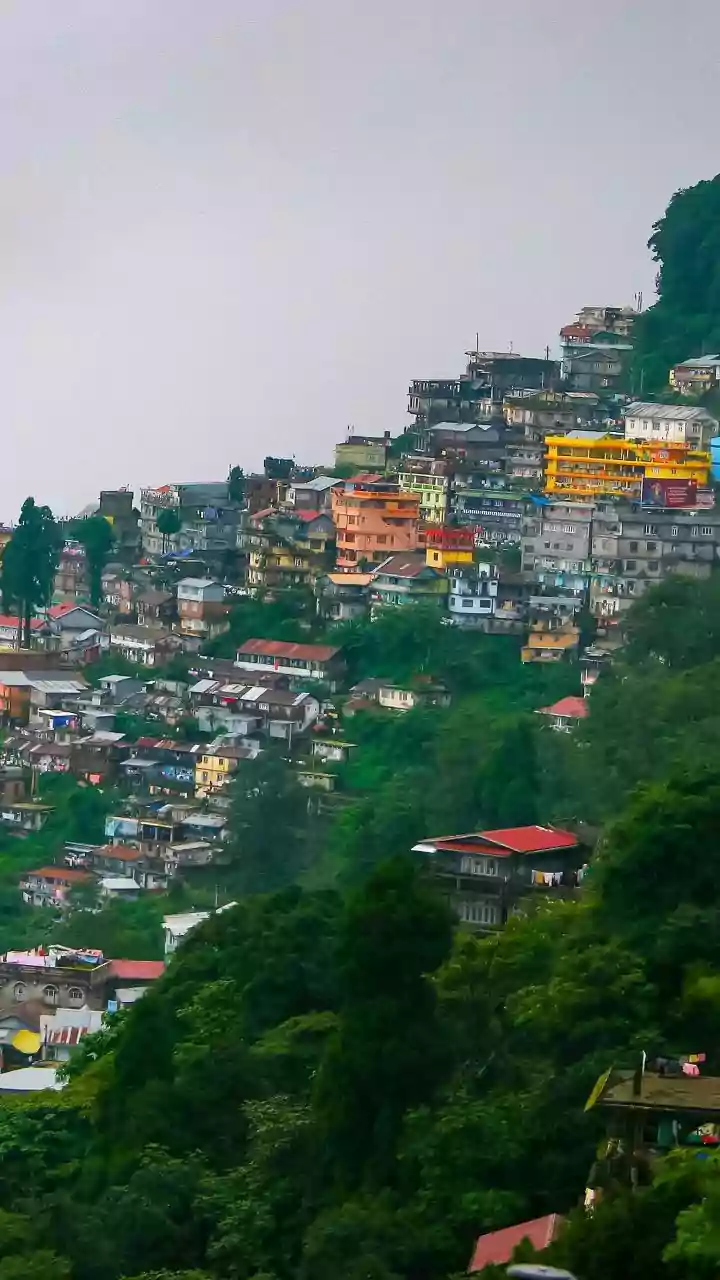
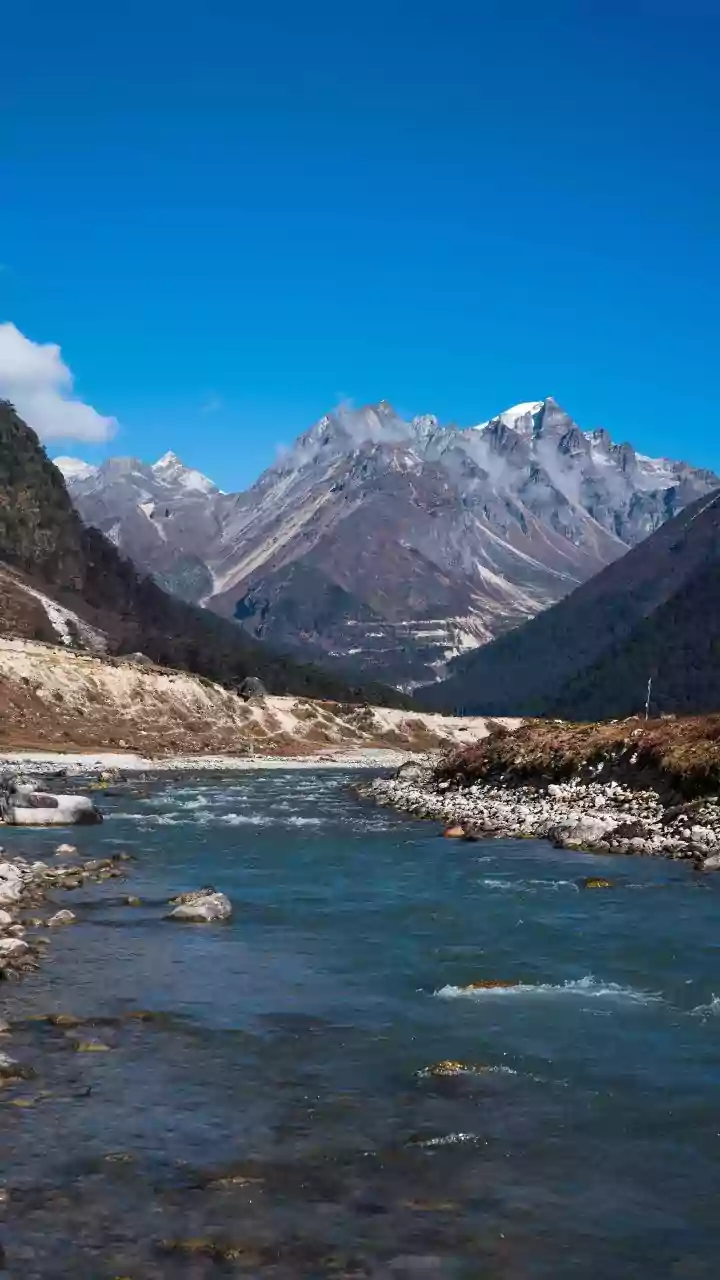
Another UNESCO World Heritage Site, the Darjeeling Himalayan Railway, or 'Toy Train', offers a different kind of winter charm. While heavy snowfall directly on the tracks in Darjeeling town is rare, the winter months provide the clearest, most spectacular views of the snow-capped Kanchenjunga, the world's third-highest peak. The journey from New Jalpaiguri, or the shorter 'joyride' from Darjeeling to Ghum, winds through lush tea gardens and misty hills. The magic here lies in the crisp air and the unobstructed Himalayan panorama, which is often hidden by clouds during other seasons. Winter travellers should not expect a Shimla-like snow blanket but can look forward to stunning mountain vistas and a quieter, more atmospheric experience on this historic railway.
How to Plan Your Winter Rail Trip
Planning a trip around unpredictable weather requires flexibility and the right mindset. First, aim for the peak winter window of late December, January, and February for the highest probability of snow. Second, pack in layers. AC coaches can be warm, but station platforms will be cold, so a good jacket, gloves, and a cap are essential. Be prepared for delays, as fog in the northern plains can affect schedules. Carry a power bank, snacks, and a thermos for hot water. Most importantly, check weather forecasts regularly before your trip but accept that they are not guarantees. Booking tickets and accommodations well in advance is crucial, as these routes are popular. By focusing on the stunning winter scenery and the unique experience of the journey itself, you ensure a memorable trip, with or without a heavy snowfall.