


First, Prep Your Shoes
The moment you walk in the door is critical. Before you do anything else, take a minute to prepare your shoes for drying. First, remove the insoles and laces. This allows them to dry separately and much faster, while also letting air circulate inside
the main body of the shoe. If your shoes are caked in mud or grime, wipe them down with a damp cloth to remove any debris before it has a chance to set. This initial clean-up prevents stains and ensures you aren't sealing dirt into the material as it dries.
The Classic Newspaper Trick
It’s an old method because it’s one of the best and safest: stuffing your shoes with newspaper. The paper is highly absorbent and works like a sponge, drawing moisture out from the inside while helping the shoe maintain its shape. Loosely crumple sheets of newspaper and stuff them all the way to the toe. For best results, replace the damp paper with fresh, dry sheets every few hours. This method is gentle and safe for nearly all materials, but be cautious with light-coloured shoe interiors, as heavy ink from the newspaper can sometimes transfer. A good alternative is plain paper towels.
Level Up With a Fan
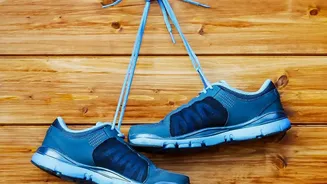
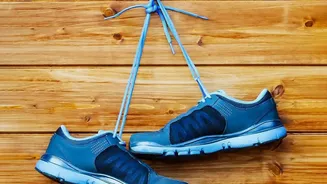
If you need your shoes dry in a few hours rather than overnight, a fan is your best bet. Air circulation is key to speeding up evaporation. Place your shoes in front of a table or floor fan, ensuring the cool air can flow into and around them. Propping them up or even hanging them from the fan's grille by their laces (if they have them) can maximise airflow. This method is significantly faster than air-drying alone and, crucially, doesn't use damaging heat.
Special Care for Leather
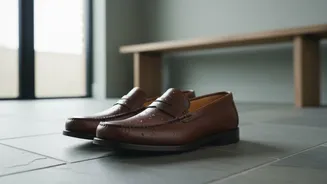
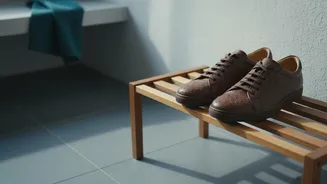
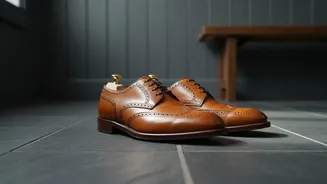
Leather shoes require a more delicate approach. Soaking can strip the natural oils from the leather, leaving it stiff and prone to cracking if dried improperly. After blotting away surface water, stuff them with newspaper or, even better, insert cedar shoe trees. Shoe trees absorb moisture while perfectly holding the shoe’s shape. Let them air dry naturally in a well-ventilated room, positioned on their side to allow the sole to dry evenly. This can take a full day or more. Once completely dry, it's essential to apply a leather conditioner to restore moisture and flexibility.
Handling Suede and Nubuck
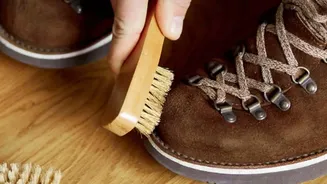
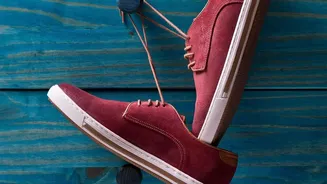
Suede and nubuck are particularly sensitive to water. Getting them soaked can lead to discolouration and a flattened texture. The key is a gentle hand. Start by blotting excess water with a clean towel. Then, stuff them with newspaper to absorb internal moisture and help them keep their form. Let them air dry completely, away from any direct heat. Once dry, use a suede brush to gently brush the surface. This will lift the fibres and restore the material’s signature soft texture, known as the nap.
The Biggest Mistake: Direct Heat
It might be tempting to place your soggy shoes near a radiator, in front of a heater, or to blast them with a hairdryer, but this is the fastest way to ruin them permanently. Intense, direct heat can cause leather to crack and warp, melt the adhesives holding the shoe together, and even shrink synthetic materials. The damage is often irreversible. Similarly, avoid putting shoes in a clothes dryer unless you use a specific low-heat setting and place them in a protective bag—and even then, it's a risky move. Patience and cool, circulating air are always the safer options.
Banish That Musty Smell
Even after your shoes are dry, a lingering damp smell can remain. This is caused by bacteria that thrive in moist environments. To combat this, sprinkle a generous amount of baking soda inside each shoe and let it sit overnight. The baking soda will absorb any remaining moisture and neutralise the odour. Simply tap out the excess powder in the morning. Another effective trick is to place a couple of dry tea bags in each shoe; they work as natural deodorisers.