
Looking for a simple way to undo the stiffness of a long day? Chair yoga offers accessible movements that boost flexibility and release tension. The seated side stretch is a cornerstone of this practice, providing a deep, satisfying release.
Why Chair Yoga Is for Everyone
Chair yoga
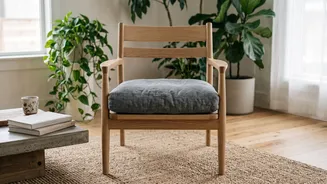
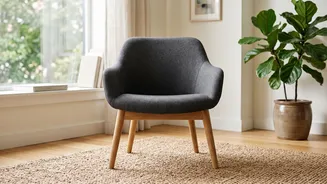
is a gentle, modified form of traditional yoga that makes the practice accessible to a wider range of people. It’s an ideal choice for office workers seeking a midday movement break, seniors looking to maintain mobility and balance, or anyone with physical limitations that make mat-based yoga challenging. The core benefit is that it provides a safe, stable foundation—the chair—allowing you to focus on the poses and your breathing without worrying about getting up and down from the floor. By performing poses while seated or using a chair for support, you can still achieve significant improvements in flexibility, circulation, and overall well-being. It's a practical way to integrate movement into a sedentary day, helping to counteract the negative effects of prolonged sitting.
The Power of the Seated Side Stretch
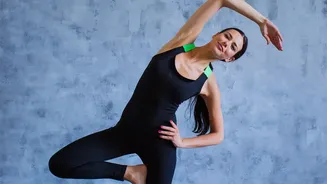
The seated side stretch, sometimes called a seated side bend, is a simple yet powerful pose with profound benefits. Its primary function is to lengthen the muscles along the sides of your body, including the obliques and the intercostal muscles between your ribs. This action not only feels wonderful but also improves the flexibility of your spine. Regular practice can help alleviate tension in the shoulders and back, which often accumulates from poor posture or long hours at a desk. Furthermore, by opening up the rib cage, this stretch enhances your ability to breathe deeply, which has a calming effect on the nervous system and can improve lung expansion. It’s a foundational movement for creating space in the torso and promoting better overall posture.
Your Step-by-Step Guide to the Stretch
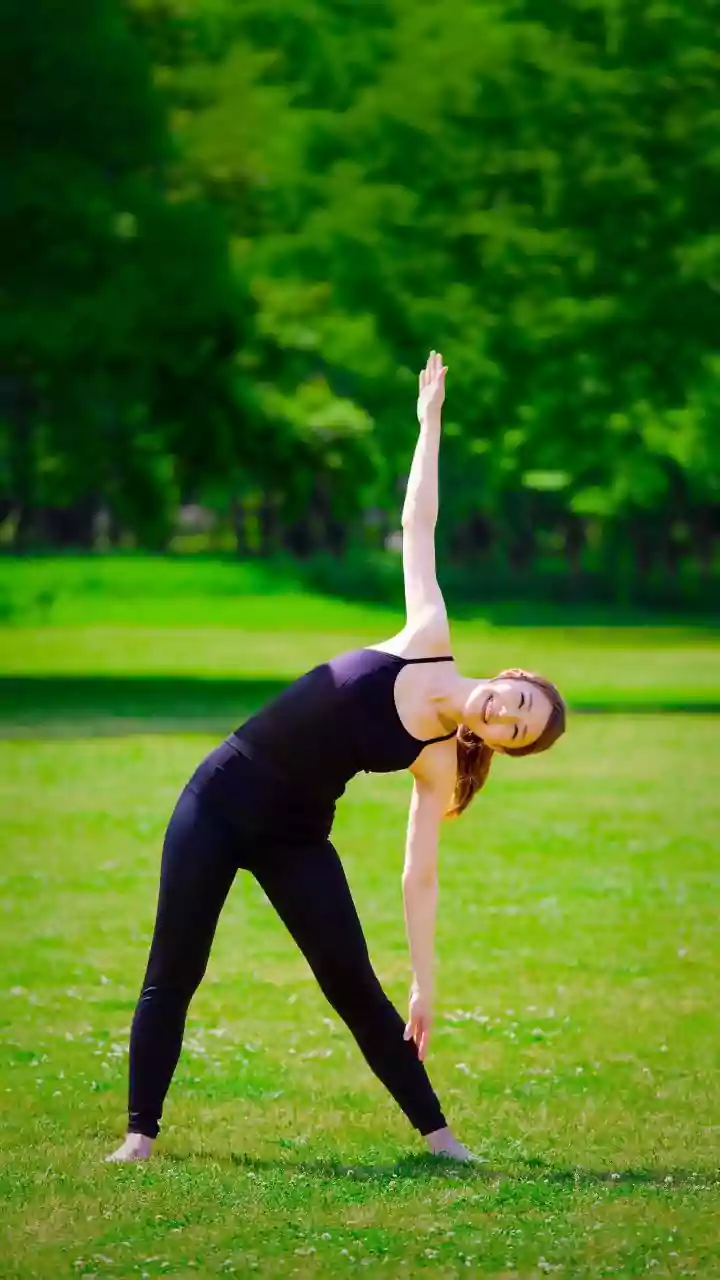
Performing the seated side stretch correctly is key to unlocking its benefits. Follow these steps for a safe and effective movement. Begin by sitting tall and upright in a sturdy chair, with your back away from the chair-back. Plant both feet flat on the floor, about hip-width apart. Ensure both of your 'sitting bones' are firmly and evenly grounded in the seat. Place your left hand on the seat of the chair for stability. As you inhale, slowly raise your right arm straight up towards the ceiling, lengthening your entire right side. On your exhale, gently lean or bend your torso to the left, creating a C-shape with your body. Think about lifting up and over, rather than just collapsing to the side. Hold the stretch for 20 to 30 seconds, or about 5 to 8 slow breaths. To release, inhale as you slowly return to an upright position. Exhale and lower your arm. Repeat on the other side.
Focus on Control and Breath
The headline emphasizes 'controlled' movement for a reason. This stretch is not about how far you can bend, but about the quality of the movement. Move slowly and mindfully, never bouncing or forcing the stretch. Your breath is your best guide. Inhale to lengthen your spine and create space, and exhale to deepen gently into the bend. Focusing on your breath as you feel the side of your body expand and contract can have a soothing effect and deepen your mind-body connection. This controlled approach ensures you are stretching the muscles effectively without risking injury. The goal is a gentle lengthening, not a painful strain. If you feel any sharp pain, ease off the stretch immediately.
Common Mistakes to Avoid
To get the most out of your seated side stretch, be aware of these common alignment errors. First, avoid collapsing your chest or leaning forward; the goal is to bend directly to the side. Keep your chest open and facing forward. Second, ensure the opposite hip stays grounded on the chair. If you notice your hip lifting, you have gone too far into the stretch. Reduce the bend until both sitting bones are planted firmly. Another mistake is pulling on your head or neck if you choose a variation with your hand behind your head; your hand should rest lightly without applying any pressure. Finally, remember to breathe. Holding your breath creates tension, which is the opposite of what the stretch aims to achieve. Always breathe slowly and consistently throughout the movement.