






Beyond Satellites and Spreadsheets
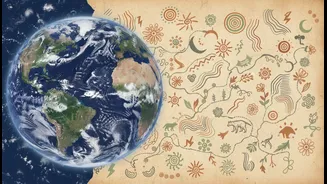
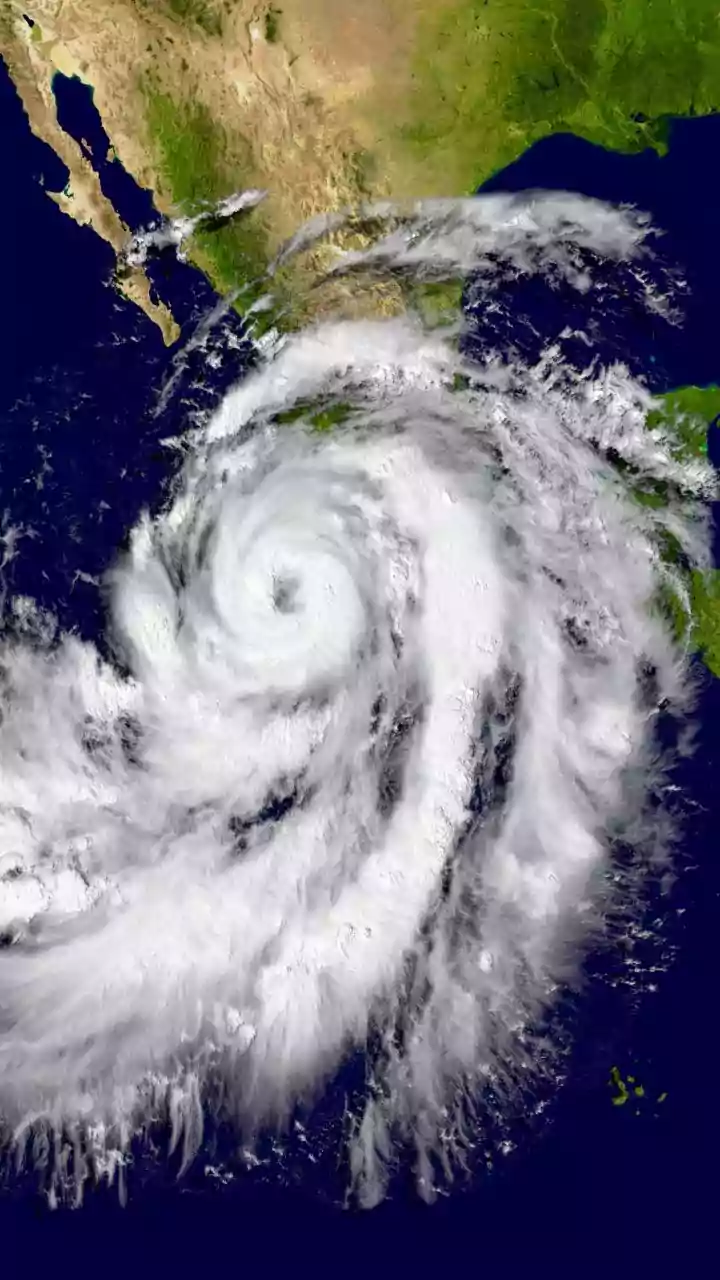
For decades, climate science has relied on quantitative data—satellite imagery, temperature logs, and complex computer simulations. These tools are powerful, but they often lack long-term historical context and localised detail. Indigenous knowledge,
sometimes called Traditional Ecological Knowledge (TEK), offers a different way of seeing. It is a system of understanding the environment built over countless generations of direct observation and interaction. This knowledge isn't stored in data servers but in oral histories, cultural practices, and a deep, place-based relationship with the land. It includes multi-generational insights into subtle shifts in weather patterns, animal behaviour, plant life, and ice formations that scientific records might miss.
A Richer Picture of a Changing Planet
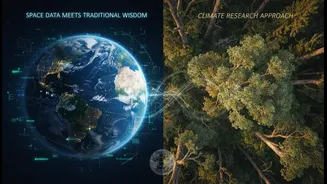
When integrated, these two knowledge systems create a more complete and robust understanding of climate change. For instance, Indigenous communities in the Arctic were among the first to notice the impacts of a warming world, observing changes in sea ice and animal migration long before they appeared in global datasets. In India, the traditional agricultural practices of communities like the Apatani in the Himalayas or the Irular tribes in the Western Ghats offer proven strategies for climate resilience, including sustainable irrigation, natural pest control, and the cultivation of drought-resistant crops. This knowledge helps validate scientific models and can guide researchers to ask more relevant questions, leading to more effective, locally-attuned adaptation strategies.
Collaboration in Action
Across the globe, partnerships are forming to bridge these worlds. The Intergovernmental Panel on Climate Change (IPCC) increasingly recognises that TEK is a major resource for adapting to climate change. In North America, the Confederated Salish and Kootenai Tribes are using their traditional knowledge to manage their ancestral bison range and restore native species, blending ancestral wisdom with modern climatology. In India, case studies highlight how communities from the Himalayas to the Eastern Ghats use traditional agroforestry and water harvesting techniques to combat climate challenges, providing models for resilience. These collaborations treat Indigenous communities as equal partners in research, ensuring that solutions are not only scientifically sound but also culturally appropriate and just.
Navigating the Challenges of Integration
Combining scientific and Indigenous knowledge systems is not without its difficulties. For years, Western science has often devalued or ignored traditional wisdom. Building trust between researchers and Indigenous communities is a crucial first step. There are also complex issues surrounding data sovereignty and intellectual property—how to ensure that traditional knowledge is respected and not simply extracted. Meaningful collaboration requires creating frameworks that acknowledge different worldviews and address historical power imbalances. Despite these hurdles, there is a growing consensus that the benefits of an integrated approach far outweigh the challenges, fostering more equitable and effective climate action.