


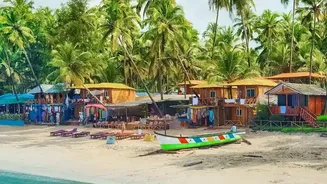
The Fragile Beauty of Konkan's Waterways
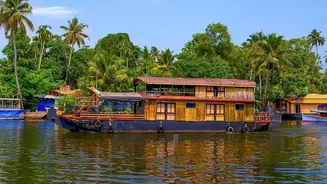
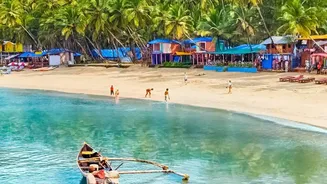
Stretching along India’s western coastline, the Konkan region is a tapestry of serene beaches, lush hills, and intricate backwaters. At the heart of this landscape are its estuaries, where freshwater rivers meet the saltwater of the Arabian Sea. These
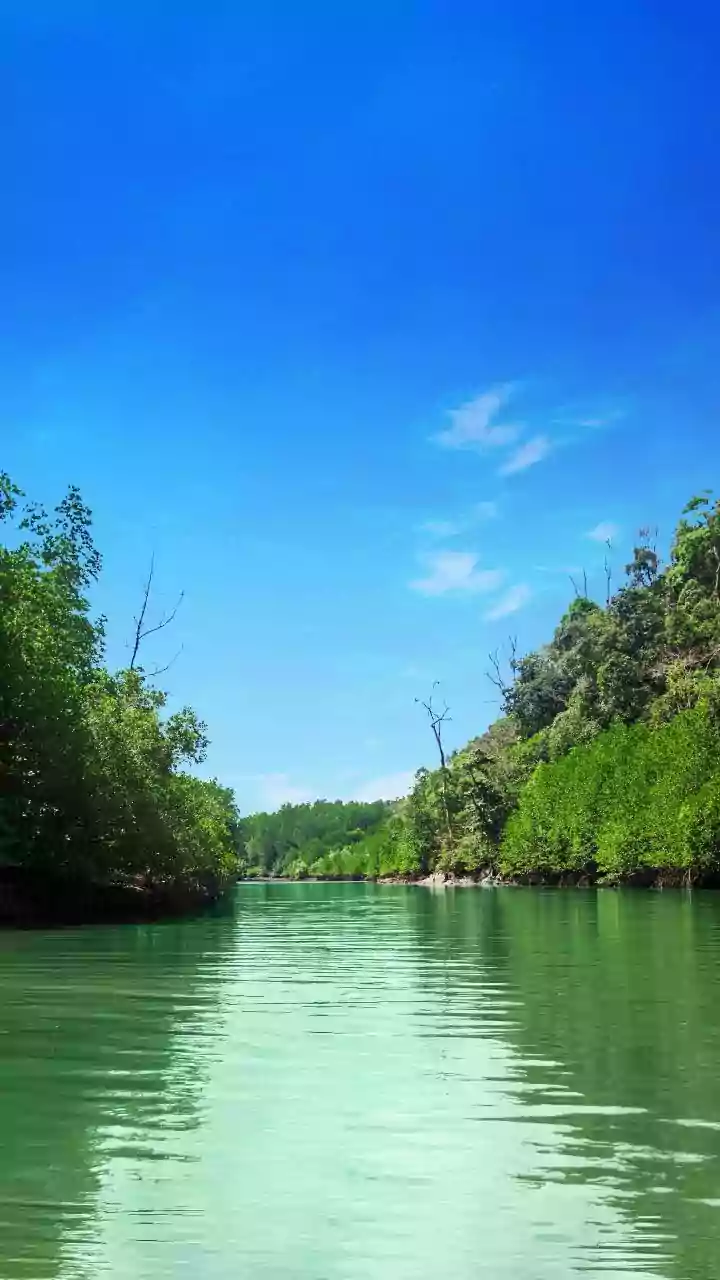
zones are home to vital mangrove forests, which act as natural shields against coastal erosion and nurseries for countless marine species. With over 20 species of mangrove trees, these habitats support an incredible diversity of life, from commercially important fish like pomfret and prawns to over 150 species of birds. However, these delicate ecosystems are under constant pressure from pollution and unplanned development, making their protection more critical than ever.
Paddling with Purpose, Not Pollution
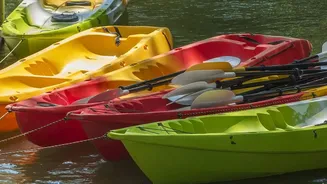
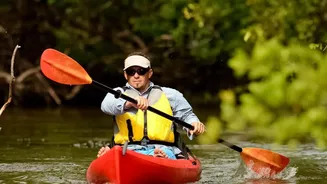
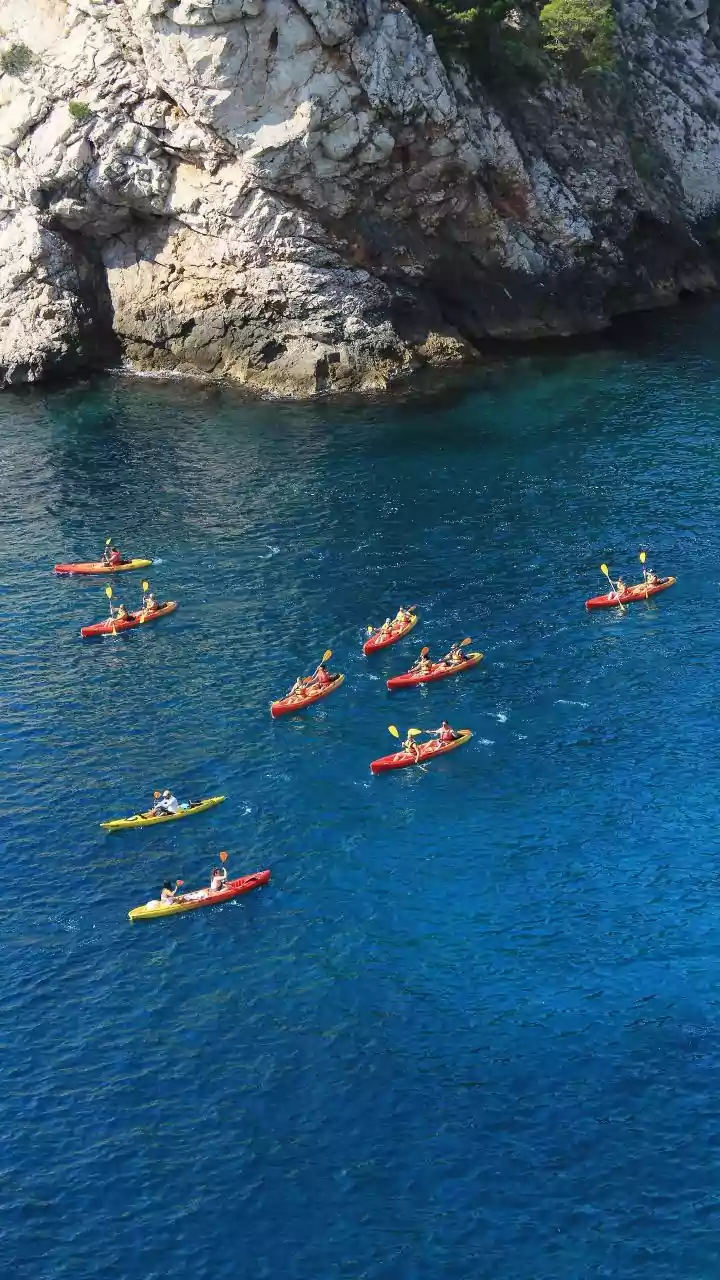
Unlike conventional tourism that often relies on noisy motorboats, eco-friendly kayaking offers a minimal-impact alternative. Kayaks are non-motorized, meaning they produce no fuel pollution, no engine noise, and minimal wake. This silent approach is crucial in sensitive estuarine environments. Motorboats can cause underwater vibrations and noise that disturb wildlife, while their wakes can erode the delicate banks holding the mangrove forests together. By choosing to paddle, visitors can navigate narrow, shallow creeks that larger boats cannot access, getting a unique perspective of the ecosystem without disrupting its fragile balance. It’s a form of exploration that respects the very nature it seeks to celebrate.
An Immersive Classroom on the Water
Eco-kayaking trips are rarely just about the physical activity; they are powerful educational experiences. Guided tours, often led by members of the local community, transform a simple boat ride into a lesson on marine biology and conservation. Guides share knowledge about the intricate root systems of mangroves, point out different bird species like kingfishers and herons, and explain the crucial role these forests play in protecting the coast and mitigating climate change. This direct engagement fosters a deeper appreciation for the environment among tourists, turning them into advocates for its preservation. When you can see the fiddler crabs scuttling on the mudflats and understand their place in the ecosystem, the need to protect it becomes personal.
Empowering Communities to Conserve
Perhaps the most significant impact of eco-friendly kayaking is economic. When local communities can earn a sustainable livelihood from tourism, they gain a direct incentive to protect their natural resources. Initiatives along the Konkan coast, particularly in districts like Sindhudurg and Ratnagiri, are increasingly community-led. Villagers who once might have cleared mangroves for firewood or aquaculture now have a reason to preserve them as a source of tourism income. This model, where revenue from kayak rentals, guided tours, and homestays flows directly into the local economy, demonstrates that conservation and livelihood can go hand-in-hand. It creates a powerful cycle: tourism thrives because the environment is pristine, and the environment remains pristine because tourism makes it valuable to the community.
A Haven for Shy Wildlife
For wildlife enthusiasts, the quiet approach of a kayak is unparalleled. The absence of engine noise allows for closer, less intrusive encounters with the region's fauna. Birdwatchers are especially rewarded, with opportunities to spot species that would be scared off by a motorboat. The calm waterways of the Konkan backwaters are home to a variety of herons, egrets, cormorants, and even hornbills in adjacent forests. Otters, mudskippers, and a rich variety of crabs and fish can be observed in their natural behaviour. By allowing animals to remain undisturbed, kayaking supports the ecological integrity of the habitat, ensuring these species continue to thrive in the quiet corners of the backwaters.