

More Than Just a Condiment
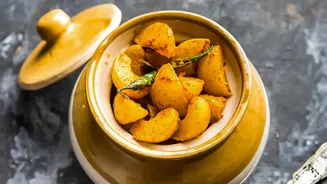
In almost every Indian household, the pickle jar, or 'barni', is a culinary heirloom. It holds more than just preserved fruits and vegetables; it holds memories, traditions, and the distinct flavours of a region. From the fiery Avakaya of Andhra Pradesh
to the sweet and sour Gorkeri of Gujarat, pickles are an integral part of our cuisine's identity. They are a testament to a time when food preservation was an art form, relying on natural processes to extend the life of seasonal produce. But as modern science now understands, our ancestors were also unknowingly practicing a powerful method for cultivating good health.
The Ancient Magic of Fermentation
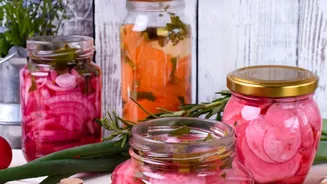
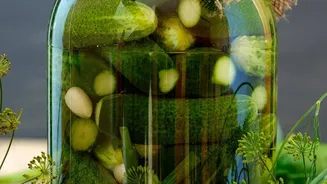
The secret behind the health-boosting power of traditional Indian pickles lies in one word: fermentation. Unlike many mass-produced pickles today that are simply preserved in vinegar, authentic homemade pickles undergo a process called lacto-fermentation. This ancient technique uses salt, spices, and sometimes oil to create an environment where harmful bacteria cannot survive, but beneficial bacteria, primarily from the Lactobacillus family, can thrive. Vegetables and fruits are often sun-dried to remove excess moisture and then submerged in this mixture. Over weeks, these good bacteria begin to break down the natural sugars in the ingredients, creating lactic acid. This not only preserves the pickle but also transforms it into a powerhouse of probiotics.
A Feast for Your Gut Microbiome
The term 'gut health' refers to the balance of microorganisms that live in our digestive tract. This community of bacteria, known as the gut microbiome, is crucial for proper digestion, nutrient absorption, and even immune function. The probiotics generated during the natural fermentation of pickles are live, beneficial bacteria that help enrich and diversify this internal ecosystem. A healthy gut microbiome is linked to improved digestion, reduced bloating, and a stronger immune system. Some studies even suggest that the fermentation process can increase the bioavailability of certain vitamins, such as Vitamin B12. Essentially, a small serving of traditional achar can deliver a dose of the very microorganisms your gut needs to function at its best.
A Tour of India's Pickle Jar
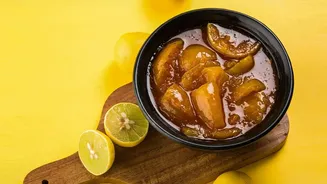
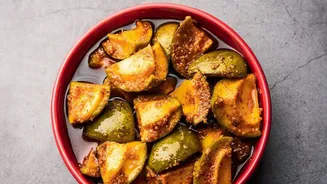
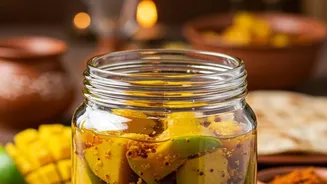
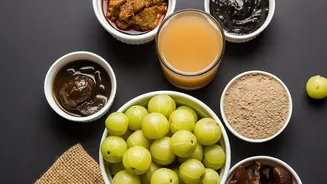
India's diverse culinary landscape offers a wide array of fermented pickles, each with its unique profile. The classic Mango Pickle, for instance, is often made with raw mangoes, mustard seeds, fenugreek, and turmeric, all of which have their own digestive and anti-inflammatory properties. The humble Lime Pickle (Nimbu ka Achar) is another probiotic-rich option that helps in stimulating digestive enzymes. In North India, the Gajar-Gobi-Shalgam (carrot-cauliflower-turnip) pickle is a winter favourite, offering a crunchy, tangy, and fermented boost. These pickles are not just carriers of flavour but also of the regional wisdom passed down through generations, combining ingredients that work synergistically for both taste and health.
Choosing and Using Pickles Wisely
To reap these gut-friendly benefits, the key is to choose the right kind of pickle. Look for brands that explicitly state 'naturally fermented' or, better yet, rely on homemade versions from trusted sources. Many commercial pickles use vinegar, excess sodium, and preservatives that negate the health benefits and can even be detrimental. Furthermore, moderation is essential. Traditional pickles are high in salt and oil, which were necessary for preservation. A small spoonful alongside your meal is enough to get the probiotic benefits without overloading on sodium. Think of it not as a main dish, but as a flavourful, functional garnish that enhances your food and your gut health simultaneously.