








An Annual Tale of Water and Gridlock
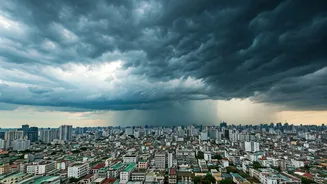
Every year, the arrival of the monsoon transforms the National Capital Region. What should be a welcome relief from summer heat quickly turns into a civic nightmare. Major arterial roads in Gurugram, such as Sohna Road and Golf Course Road, along with
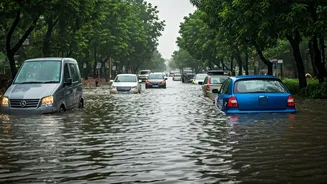
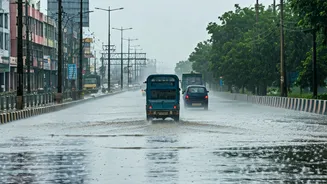
key stretches in Noida and Delhi, frequently become submerged. The result is predictable and paralysing: epic traffic jams where commutes that normally take minutes stretch into hours. This isn't a new problem, but its recurring severity highlights a persistent gap in urban infrastructure. For the daily commuter, the monsoon means navigating waterlogged underpasses, dealing with vehicle breakdowns, and facing the uncertainty of ever reaching the office on time. The scenes of stranded cars and inundated streets have become a familiar, frustrating part of life in the region.
The Official Response: Stay Home If You Can
In recent years, a new strategy has emerged from local authorities, particularly in corporate hubs like Gurugram. Faced with inevitable waterlogging and traffic collapse, district administrations have begun issuing advisories urging private companies to allow employees to work from home. These directives are framed as a matter of public interest, designed to keep vehicles off the roads to ease congestion and allow civic agencies to carry out drainage and repair work. While not typically mandatory, these advisories are a clear admission that the infrastructure cannot cope with intense rainfall. This official sanctioning of remote work represents a significant shift in managing the city's response to predictable weather events, moving from reactive traffic management on the ground to proactively reducing the number of commuters.
Corporate Culture Is More Adaptable Than Ever
The widespread adoption of hybrid and remote work models post-pandemic has inadvertently prepared NCR's corporate world for the monsoon. Many companies, especially in the IT and services sectors, already have robust work-from-home policies. This flexibility allows them to pivot their entire workforce to remote operations at a moment's notice. An official weather advisory can trigger internal communications that instruct thousands of employees to stay put. This agility minimizes productivity loss and, more importantly, ensures employee safety. Companies that once had no choice but to absorb the disruption are now equipped with the technology and culture to bypass it almost entirely. The monsoon is no longer just a weather event; it has become a recurring, real-world test of a company's flexible work arrangements.
What This Means for Your Work Routine
For employees in Delhi-NCR, the monsoon season now demands a new level of flexibility. The traditional 9-to-5 in-office routine is becoming conditional, subject to the whims of the weather. This means keeping a closer eye on weather forecasts from bodies like the India Meteorological Department (IMD) and being prepared for a last-minute switch to remote work. It also necessitates clear communication with employers about expectations during weather-related disruptions. For those who must commute, it requires planning alternative routes, budgeting extra time, and using traffic monitoring apps to avoid the worst of the gridlock. The era of stubbornly pushing through a waterlogged commute is giving way to a smarter, more adaptive approach to the workday.
Preparing for a Hybrid Monsoon Season
The key to navigating the professional landscape during NCR's rains is preparedness. At home, ensure your workspace is ready for an impromptu day of remote work—check your internet connection, have your chargers handy, and establish a quiet space if possible. On your phone, bookmark reliable sources for weather alerts and traffic updates. Before leaving the house, make a quick check of conditions a standard part of your routine. This proactive mindset can be the difference between a stressful, waterlogged commute and a calm, productive day at home. As the lines between office and home continue to blur, the monsoon is accelerating the transition, making a flexible approach not just a perk, but a practical necessity for survival in the modern NCR.