








Mastering Your Movement
Getting from point A to B is the foundation of any adventure. In India, this can range from navigating bustling city metros to finding a shared jeep in the Himalayas. Planning your transport is about more than just booking a ticket; it's about building
in resilience. For long distances between major cities, booking trains or flights well in advance can save you stress and money. However, for many adventure destinations, the journey truly begins where the main road ends. Research local transport options like buses and shared 4x4s, which are often the lifelines to remote trailheads and villages. Always have a backup plan. A delayed train or a cancelled bus is a common travel reality. Knowing the next best alternative keeps a minor hiccup from becoming a major crisis. Consider a hybrid approach: a comfortable train for the long haul, followed by a pre-booked car or a local bus for the final leg to your destination. This minimises stress while still immersing you in the local travel experience.
The Dry Clothing Doctrine
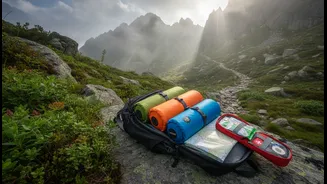
Staying dry is not a luxury on an adventure trip; it's a matter of safety and morale. Whether you're caught in a monsoon downpour in the Western Ghats or facing unpredictable mountain weather, wet gear can lead to discomfort and even hypothermia. Your first line of defence is quality waterproof outerwear, including a jacket and pants. But the real secret lies in a system. Use dry bags or waterproof stuff sacks for all your essential gear inside your main backpack. This includes your sleeping bag, electronics, and, most importantly, a dedicated set of 'sacred' dry clothes for sleeping. This one dry outfit, which never leaves your bag during the day, guarantees a warm, comfortable night's rest, no matter how soaked you get. For your active wear, choose quick-drying synthetic fabrics over cotton. If clothes get damp, you can try to dry them using your own body heat by wearing them under a waterproof layer while you hike, but this should be avoided in very cold conditions. A waterproof pack cover is also essential to shield your entire bag from rain.
The Art of Smart Recovery
The adventure doesn't end when you take off your hiking boots. How you recover is just as crucial as how you prepared. After a strenuous trek or activity, your body is in a state of depletion. The first 30-45 minutes are a critical window for refueling. Consuming a mix of protein and carbohydrates helps repair muscle tissue and replenish energy stores. Hydration is equally important; drink water consistently and consider an electrolyte drink to replace lost minerals. Gentle movement is key in the hours and days that follow. Instead of collapsing, perform a cool-down walk for 5-10 minutes to allow your heart rate to return to normal gradually. Follow this with light stretching, focusing on major muscle groups like your calves, hamstrings, and quadriceps. This helps reduce muscle soreness and stiffness. Finally, prioritise sleep. Giving your body adequate rest allows it to repair and consolidate the gains from your physical efforts, ensuring you're ready for your next adventure rather than nursing an injury.