





The Rise of the Stay-Led Holiday
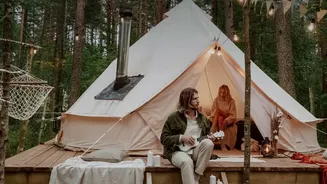
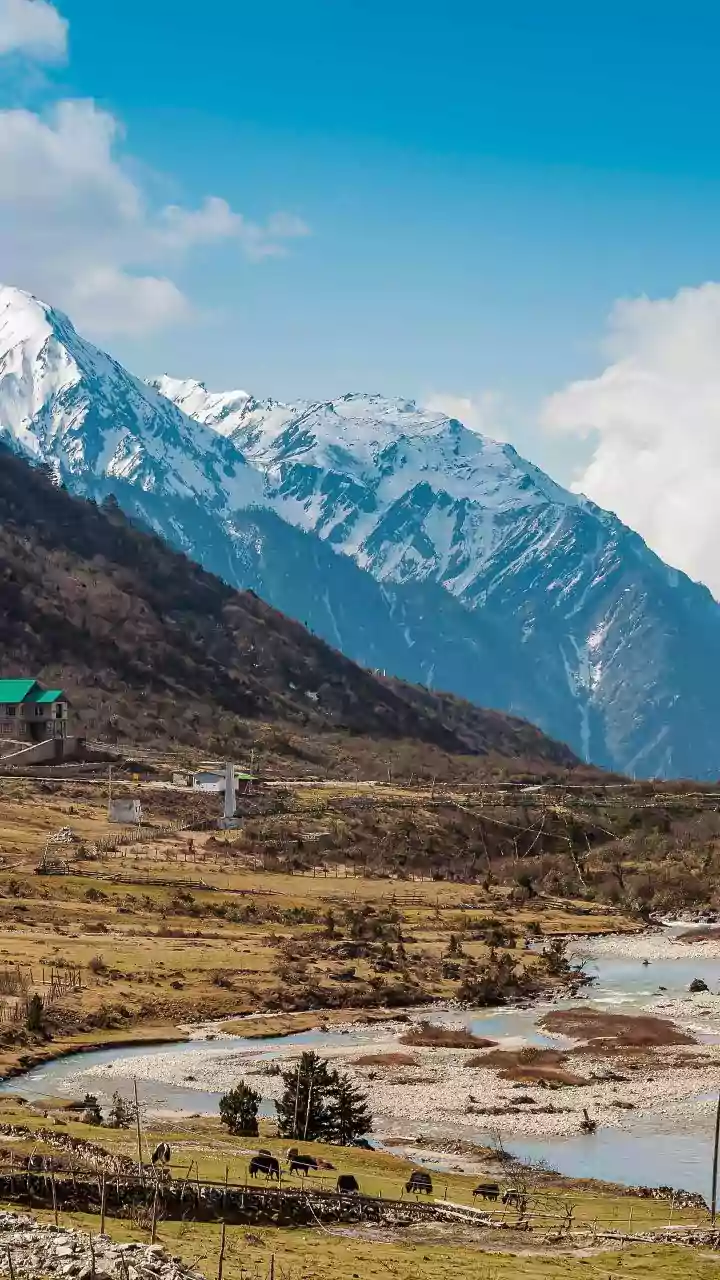
A stay-led holiday is a trip where the choice of accommodation is the main event. Instead of picking a destination and then finding a generic hotel, you choose a unique property and let the experience of staying there guide your break. Think of a glass-walled
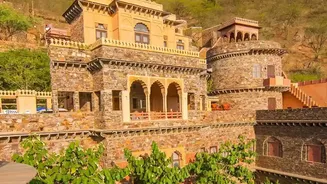
cabin in the Himalayas, a heritage haveli in Rajasthan, a houseboat on the Keralan backwaters, or a treehouse nestled in a coffee plantation in Coorg. In this travel style, the stay provides more than a bed; it offers a distinct atmosphere, a unique activity, and a chance to disconnect in a memorable setting. This shift reflects a broader trend in Indian travel towards experiential journeys, where 'what you do' is becoming more important than 'where you go'. Travellers are increasingly seeking immersive experiences over conventional sightseeing, driven by a desire for authenticity and personal connection.
More Than Just a Room with a View
The magic of a stay-led holiday lies in its ability to offer an experience that a standard hotel cannot replicate. These properties are often destinations in their own right, boasting unique architecture, personalised hospitality, and a deep connection to the local environment. For example, staying in a restored fort-hotel offers a direct link to history, while a farm stay allows you to participate in rural life, from milking cows to learning about organic farming. The benefits are clear. Firstly, it encourages a slower, more relaxed pace. When your accommodation is the main attraction, the pressure to rush through a checklist of tourist spots disappears. Instead, you can unwind, read a book on a scenic veranda, or simply soak in the atmosphere. Secondly, it offers deeper cultural immersion. Hosts of homestays and boutique properties often provide invaluable local insights, from recommending hidden gems to sharing home-cooked meals, creating a more personal and genuine connection to the place.
Finding Your Perfect Distinctive Stay
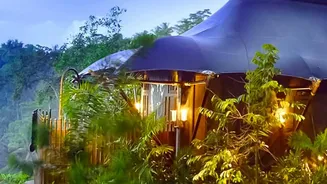
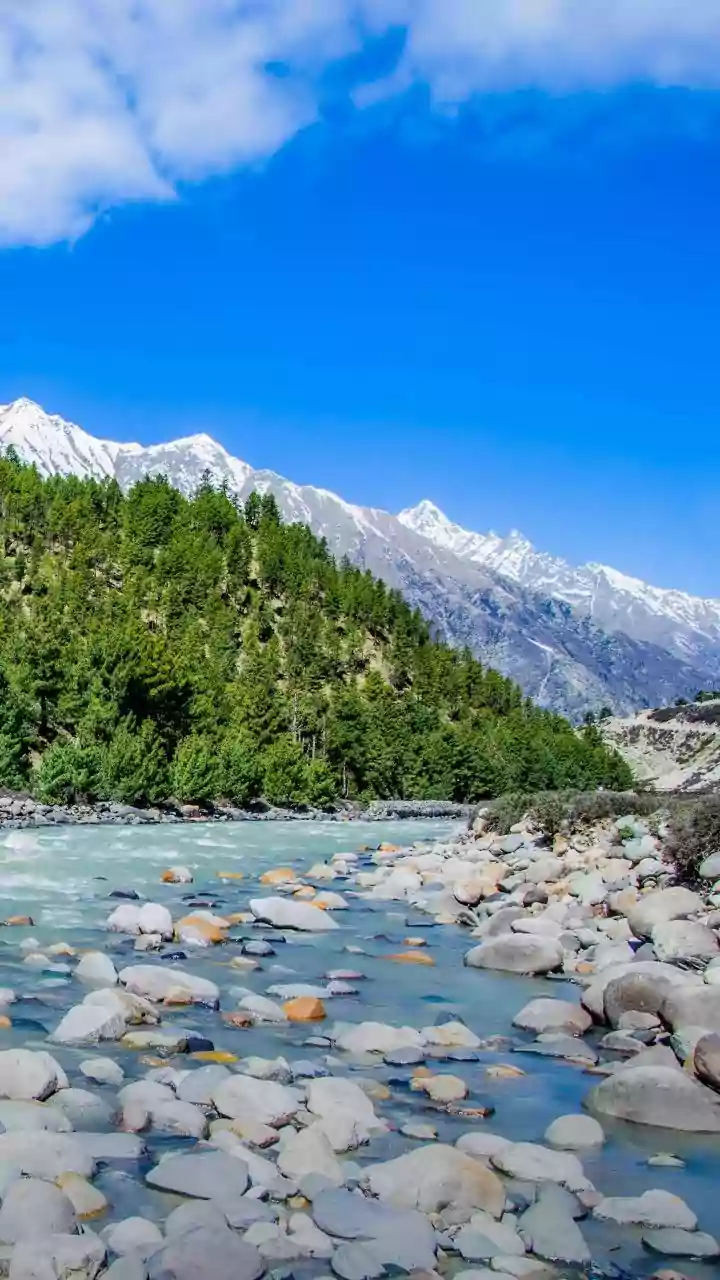
India's diverse landscape offers a vast array of unique accommodations catering to this trend. For nature lovers, options range from bubble tents in Wayanad that let you sleep under the stars to luxurious wildlife resorts bordering national parks. In states like Himachal Pradesh, you can find charming treehouses and A-frame cabins with panoramic mountain views. For those drawn to history and culture, Rajasthan's heritage properties and havelis offer a glimpse into a regal past. In the south, the tranquil backwaters of Kerala are best experienced from a traditional houseboat, known as a kettuvallam, which floats along the serene network of canals. Plantation bungalows in Coorg or Chikmagalur provide an escape into sprawling coffee and spice estates, often with opportunities for plantation tours and nature walks. The key is to think about the experience you want. Do you crave solitude in nature, a deep dive into history, or a cozy, romantic retreat?
A Mindset Shift in Modern Travel
The growing popularity of stay-led holidays is driven by a collective fatigue with fast-paced, checklist-driven tourism. After years of hectic schedules, many travellers are now prioritising rest, authenticity, and meaningful experiences. This trend is particularly strong among younger generations, who value unique stories and Instagram-worthy aesthetics, but it speaks to a universal desire for genuine connection. Furthermore, this approach often supports local economies more directly. Choosing a homestay, a family-run guesthouse, or a boutique property run by local entrepreneurs ensures your travel spending benefits the community directly. It's a conscious way of travelling that enriches both the visitor and the host. It moves beyond the transactional nature of a hotel booking to something more relational and memorable.
How to Plan Your Stay-Led Break
Planning a stay-led holiday requires a slightly different approach. Start by browsing travel blogs, social media, and specialty booking sites for inspiration, searching for types of stays ('treehouse', 'farm stay', 'heritage palace') rather than just cities. Read reviews carefully, paying attention to comments about the experience, the host's hospitality, and the atmosphere. Since these properties are often small and in high demand, it's wise to book well in advance, especially for long weekends or holidays. Once booked, communicate with your host. They can often provide tips on the best way to get there and suggest local activities that you might not find in a guidebook. Embrace the idea of having a lighter itinerary. The goal isn't to see everything, but to fully experience the unique environment you've chosen for your getaway.