


A Cascade of Failure
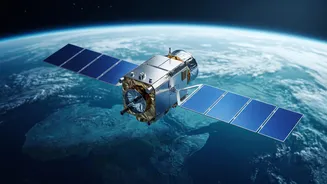
A new study has painted a stark picture of the vulnerability of our orbital assets. According to research from physicists at the University of Wisconsin-Madison and Princeton University, a single, powerful explosion in low Earth orbit (LEO) could have
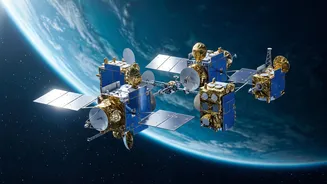
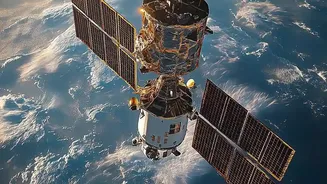
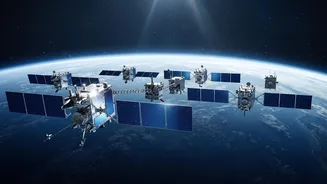
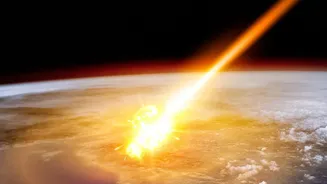
devastating consequences. Their computer model simulated a one-megaton detonation—an event with the force of about 67 Hiroshima bombs—at an altitude of 500 kilometres. The results were alarming: within a single week, an estimated 98% of all satellites in LEO would be rendered inoperable. This highlights a critical weakness not just to a hostile act, like a nuclear anti-satellite weapon, but to the fundamental physics of what happens after such a blast.
An Artificial Radiation Belt
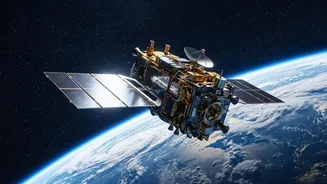
The primary threat identified by the simulation isn't the initial blast wave itself, but the lingering aftermath. An explosion of this magnitude would release a massive swarm of high-energy electrons. These particles would become trapped by Earth's magnetic field, creating a persistent, artificial radiation belt. Satellites, in their normal orbits, would repeatedly pass through this hazardous zone. This constant bombardment of radiation would steadily degrade and destroy their sensitive internal electronics. The study found that even if satellite radiation tolerance was tripled, 97% would still fail within two weeks, showcasing the overwhelming nature of such an event. This finding moves beyond the immediate physical destruction and points to a more insidious, long-term environmental threat in orbit.
The Kessler Syndrome Realised
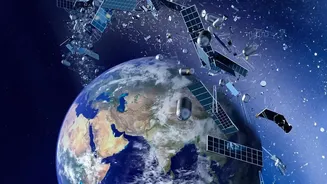
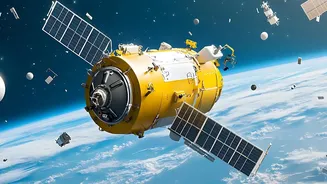
The loss of control over thousands of satellites would trigger a secondary, and perhaps more famous, threat: the Kessler Syndrome. This is a theoretical scenario proposed by NASA scientist Donald J. Kessler in 1978, where the density of objects in orbit becomes so high that collisions create a cascade of debris, which in turn causes more collisions. With 98% of satellites disabled, they would become uncontrolled projectiles. The simulation predicted this would lead to approximately 20 satellite collisions within two years. Each collision would generate thousands of new pieces of space junk, exponentially increasing the risk for any remaining operational satellites and any new ones launched to replace the lost infrastructure. This chain reaction could make certain orbits unusable for generations.
The Real-World Impact
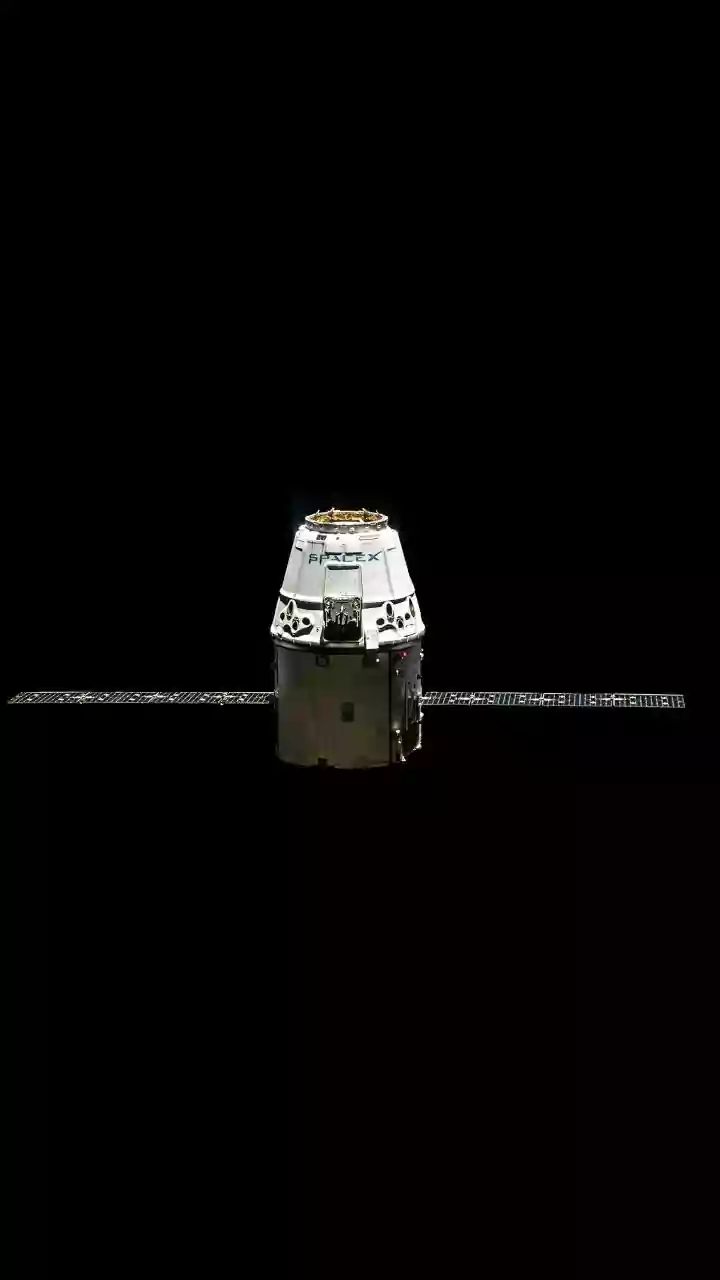
While the simulation is hypothetical, the threat to our satellite-dependent society is very real. The loss of LEO satellites would not be a distant, abstract problem. It would mean an immediate and prolonged degradation of services we take for granted. In India and across the globe, this would translate to the collapse of GPS navigation, crippling ride-sharing services, logistics, and shipping. Satellite communications, including emerging internet constellations like Starlink, would go dark. Critical services like weather forecasting, disaster management, and even the synchronization of financial networks and energy grids would be severely disrupted. The study underscores that a single event could threaten the entire global space infrastructure, regardless of whether the satellites are civilian or military.
A Race Against a Crowding Sky
The skies are becoming increasingly crowded. The number of tracked objects in orbit has more than doubled since 2007, with tens of thousands of objects now being monitored. Mega-constellations are launching thousands of new satellites, further increasing density. International bodies like the European Space Agency (ESA) and NASA have long recognized the threat, establishing guidelines to mitigate debris. These include rules for safely disposing of satellites at the end of their life, either by letting them burn up in the atmosphere or moving them to a 'graveyard' orbit. However, the sheer volume of existing debris, coupled with the risk of new fragmentation events, means active debris removal—essentially, sending missions to capture and de-orbit large pieces of junk—is now seen as a necessary step to stabilize the orbital environment.