






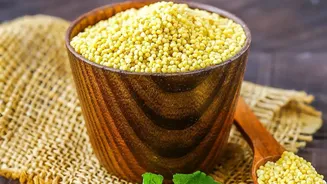
The Case for Switching from White Rice
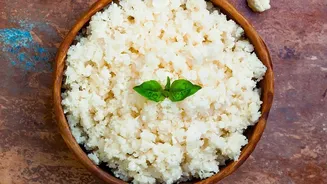
Polished white rice, a staple in countless kitchens, is primarily a source of simple carbohydrates. The refining process strips away the bran and germ, removing most of the dietary fiber, vitamins, and minerals. What's left is a high-glycemic-index food,
meaning it can cause rapid spikes in blood sugar. Over time, a diet heavy in refined grains may contribute to issues with weight management and blood sugar regulation. This is where millets step in. These ancient grains are not only packed with nutrients but also boast a low glycemic index, making them a smarter choice for sustained energy and overall health.
Introducing Foxtail Millet (Kangni/Thinai)
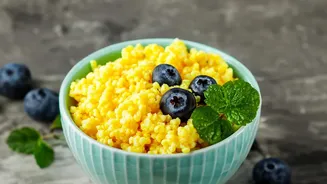
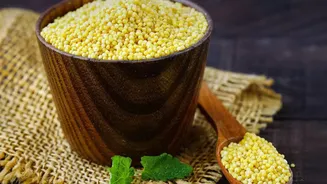
Foxtail millet, known as Kangni in Hindi or Thinai in Tamil, is a small, yellow-hued grain with a slightly nutty flavor. Nutritionally, it is far superior to white rice. It contains nearly double the protein and about 25 times more dietary fiber. This high fiber content aids digestion, promotes a feeling of fullness, and helps manage weight. Furthermore, foxtail millet is a rich source of essential minerals like iron, calcium, and magnesium, which are crucial for bone health, energy production, and preventing anemia. Its low glycemic index of around 50 makes it particularly beneficial for individuals managing diabetes.
Discovering Sorghum (Jowar)
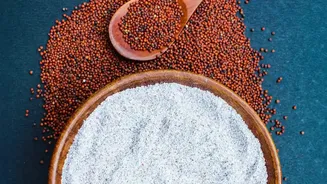
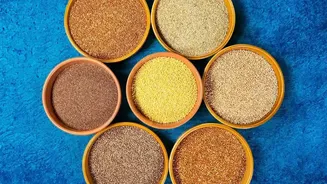
Sorghum, or Jowar, is another robust millet that has been a dietary staple in many parts of India for centuries. It is naturally gluten-free and known for its impressive nutritional profile. Compared to white rice, sorghum offers significantly more protein and fiber. It is also packed with antioxidants and important minerals like magnesium, iron, copper, and B vitamins. Like foxtail millet, sorghum has a lower glycemic index than white rice, ensuring a slower release of sugar into the bloodstream. This makes it an excellent grain for maintaining stable energy levels and supporting metabolic health. Some studies even suggest its high antioxidant content contributes to reducing the risk of chronic diseases.
The Nutritional Showdown
When placed side-by-side, the advantages of millets become clear. For every 100 grams, foxtail millet provides around 12 grams of protein and 8 grams of fiber, while white rice offers about 7 grams of protein and less than 1 gram of fiber. Sorghum also outperforms rice with a higher protein and fiber count. The most significant difference lies in the glycemic index (GI). White rice has a high GI of around 73, causing quick blood sugar spikes. Foxtail millet has a GI of approximately 50, and sorghum also falls into the low-to-medium category, making them ideal for long-term health.
How to Cook with Foxtail Millet and Sorghum
Replacing rice with these millets is simple. For foxtail millet, start by rinsing one cup of the grain. Soaking it for at least an hour can improve its texture and digestibility. To cook, use a ratio of 1 cup of millet to 2 or 2.5 cups of water. Bring the water to a boil, add the drained millet, reduce the heat, cover, and simmer for about 15-20 minutes until the water is absorbed. Let it rest for a few minutes before fluffing with a fork. Sorghum can be cooked similarly, though it may benefit from a longer soaking time (6-8 hours) to soften the grain. It can be boiled like rice or used in a pressure cooker. Both millets have a versatile, slightly nutty taste that pairs well with dals, curries, and vegetable preparations, just like rice.