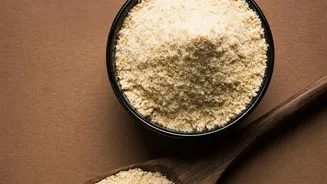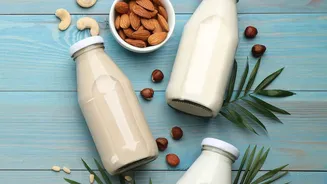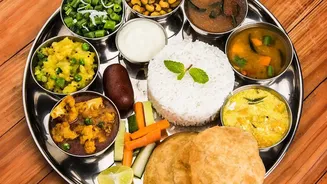





Protein powder is more popular than ever, but so are the myths surrounding it. From promises of instant muscle to fears of damaged kidneys, it's hard to separate marketing hype from reality. Let's uncover the facts behind the promises.
Myth: You Need Protein Powder to Build Muscle
This is one of the
most persistent myths. While protein is absolutely essential for repairing and building muscle after exercise, protein powder is not a magical requirement. It is simply a convenient, concentrated source of dietary protein. Many people can and do meet their elevated protein needs—typically 1.4 to 2.0 grams per kilogram of body weight for active individuals—through whole food sources alone. Foods like chicken, fish, eggs, dairy, legumes, and nuts provide all the necessary amino acids for muscle growth. Powders are a supplement, useful when you're short on time, have a reduced appetite, or find it difficult to hit your protein targets through meals. They are a tool, not a necessity.
Myth: More Protein Always Means Better Results
The 'more is better' approach is a fallacy. Your body can only use a certain amount of protein for muscle synthesis at one time, typically around 20 to 40 grams per meal. Consuming excessive amounts in one sitting, or far beyond your daily needs, doesn't lead to extra muscle gain. Instead, the excess protein is either used for energy, stored as fat, or excreted, which can put an unnecessary metabolic load on your liver and kidneys over the long term. Sticking to recommended amounts, spread throughout the day, is more effective and safer.
Myth: Protein Shakes Are Perfect Meal Replacements for Weight Loss
Using a protein shake to occasionally replace a meal can support weight loss, but only if it results in a calorie deficit. However, relying on them regularly is not ideal. Protein powders are supplements and often lack the full nutritional profile of a whole-food meal, which includes essential vitamins, minerals, fibre, and healthy fats. These components are crucial for overall health and for promoting satiety, which helps manage hunger. Adding shakes on top of your regular meals without adjusting your overall intake can easily lead to weight gain. For weight management, protein powders are best used to supplement a balanced diet, not to completely replace it.
Myth: Protein Powder Will Make Women 'Bulky'
The fear of becoming 'bulky' prevents many women from using protein supplements. This is a misunderstanding of how muscle growth works. Gaining significant muscle mass, or 'bulking,' requires a combination of specific, intensive strength training and a consistent calorie surplus—consuming more calories than you burn. Simply drinking a protein shake will not cause you to bulk up. For women, building large muscles is physiologically more difficult due to lower testosterone levels. A protein supplement will simply help repair muscles after a workout and meet daily protein needs.
Myth: All Protein Powders Are Safe and Regulated
This is a dangerous assumption. In India, health supplements like protein powder are regulated as food by the FSSAI, not as drugs. This means they don't undergo the same rigorous testing for efficacy and safety as medicines. Labels can be misleading, and some products may contain undisclosed ingredients, fillers, and high levels of added sugar. Studies have also raised concerns about contaminants like heavy metals (lead, arsenic, cadmium) and BPA in some protein powders. To ensure safety, consumers should look for products with third-party testing certifications (like NSF or USP) and check for a valid FSSAI license number on the package.