



Understanding Gold Purity: What Do Karats Mean?
Before diving into the comparison, it’s essential to understand what 'karat' (K) means. Karat is the unit used to measure the purity of gold, on a scale from 0 to 24. Therefore, 24K gold is the purest form you can buy, containing 99.9% gold. On the other
hand, 22K gold consists of 22 parts gold and 2 parts other metals, making it 91.67% pure gold. This is why 22K gold is often stamped with the number '916'—to signify its 91.6% purity, a mark of authenticity under the Bureau of Indian Standards (BIS) hallmarking system.
The Allure of 24K Gold: Pure but Pliable
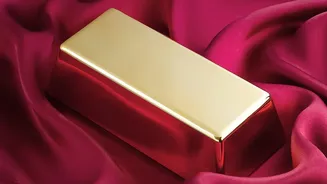
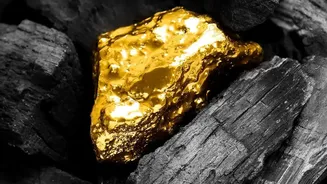
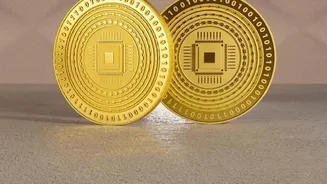
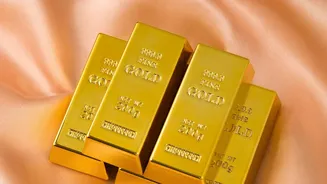
There's no denying the appeal of 24K gold. Its brilliant, rich yellow colour is unmatched, a direct result of its 99.9% purity. This makes it the top choice for investment purposes like gold bars, coins, and bullion. Investors prize it for its high intrinsic value, as its price is directly tied to the market rate for pure gold. However, this purity comes with a significant drawback for jewellery: softness. Pure gold is extremely malleable, which means it bends, scratches, and deforms easily under pressure. For an item you intend to wear, especially on your hands or neck, this lack of durability is a major concern.
The Case for 22K Gold: The Practical Standard
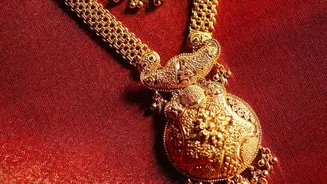
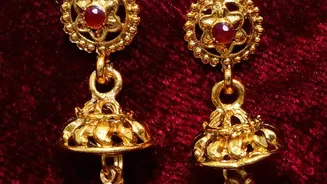
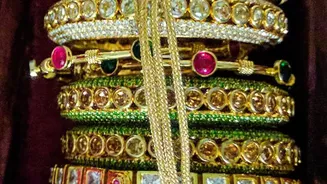
This is where 22K gold enters the picture as the hero of the jewellery world, especially in India. To create 22K gold, pure gold is mixed with stronger alloy metals like copper, silver, or zinc. This 8.33% of other metals makes the resulting alloy significantly harder and more durable than pure 24K gold. This strength is precisely why 22K gold is the preferred choice for making most traditional Indian jewellery, from intricate necklaces and bangles to everyday earrings. It strikes the perfect balance between high purity—retaining that beautiful golden lustre—and the resilience needed for daily wear.
Durability and Design: Where 22K Shines
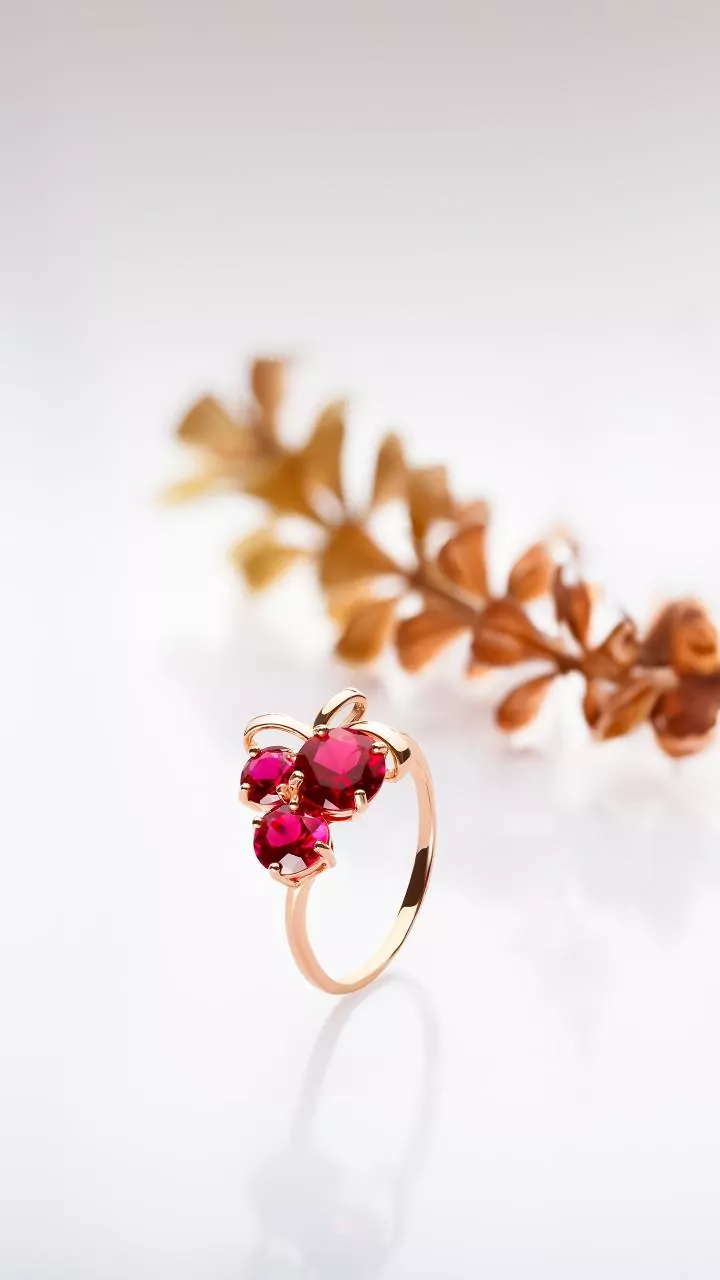
When it comes to crafting jewellery, durability is key. A piece of jewellery should not only look beautiful but also hold its shape and withstand the rigours of life. Because 24K gold is so soft, it's not suitable for holding gemstones securely or maintaining the integrity of intricate designs. Prongs can bend, delicate patterns can get warped, and the piece is highly susceptible to dents and scratches. 22K gold, with its added hardness, can be crafted into complex patterns and is strong enough to securely hold precious stones, though 18K gold is often preferred for heavily studded pieces. For most ornate and traditional jewellery that is meant to be worn, 22K offers the necessary structural integrity without significantly compromising on the richness of gold.
Investment, Price, and Resale Value
From a pure investment standpoint, 24K gold is the benchmark because you are buying almost 100% gold. Naturally, this means that gram for gram, 24K gold is more expensive than 22K gold. When it comes to reselling, you will get a higher value for 24K gold due to its purity. However, the story is different for jewellery. Since 24K gold jewellery is prone to wear and tear, it can lose weight over time due to friction, which might reduce its resale value. 22K jewellery, being more durable, holds up better. In the Indian market, 22K hallmarked jewellery has a very liquid and established resale market, making it a reliable store of value that you can also wear and enjoy.