





The Great Space-Saving Promise
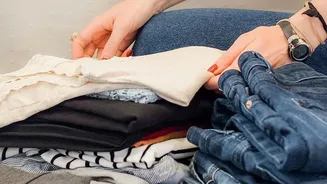
Travel vacuum bags are essentially heavy-duty plastic bags designed to compress soft items by removing the air trapped within them. The headline claim of 'doubling' your space is optimistic but not entirely unfounded. For bulky items like winter jackets,
sweaters, and fleece blankets, these bags can reduce their volume by as much as 60-80%. This is because a significant portion of their size is just trapped air. By sucking this air out, a puffy jacket can become a dense, flat pancake, freeing up an incredible amount of room. For regular clothing like t-shirts and trousers, the space saving is more modest, typically around 50%. So, while you might not double the entire volume of your suitcase, you can certainly make space for several extra outfits or that bulky souvenir you planned to buy.
The Reality of the Weighing Scale
Here is the most critical point for anyone travelling with a strict weight limit: vacuum bags reduce volume, not weight. This is a distinction that can make or break your check-in experience. Compressing three jackets into the space of one feels like magic, but those three jackets still weigh the same. The 7kg allowance on many Indian and international low-cost carriers is the real challenge. It's dangerously easy to use the extra space created by vacuum bags to pack more items, inadvertently pushing your carry-on's weight well over the limit. The hack, therefore, requires discipline. Use the bags to fit your existing items more comfortably, not to add more heavy things. A portable luggage scale is an essential companion to this packing method.
Types of Travel Compression Bags
Not all compression bags are created equal, and choosing the right type is key for travel. The most common are bags that require a vacuum cleaner, which are great for home storage but impractical for a trip. For travellers, there are two main options. First are the manual roll-up bags; you place clothes inside, seal the zip, and then tightly roll the bag to force air out through a one-way valve at the bottom. These are simple and require no extra tools. The second, and increasingly popular, option uses a small, often USB-rechargeable, portable pump. These pumps are tiny, sometimes the size of a soft drink can, and can remove air much more effectively than rolling, getting you closer to true vacuum-sealed compression.
Navigating Airport Security
A common worry is whether these tightly packed, dense cubes of clothing will cause issues at the security checkpoint. The short answer is no, vacuum-sealed bags are generally allowed in both carry-on and checked luggage. However, security officers always have the final say and may need to open a bag if its contents are unclear on the X-ray scanner. While this is uncommon, it's a possibility you should be prepared for. This is where having a portable pump or using manual roll-up bags becomes crucial. If a security agent opens your bag, you'll need a way to re-compress it to fit everything back in. Always keep your portable pump in your carry-on, as the lithium batteries inside are typically not allowed in checked baggage.
The Pros and Cons for the Savvy Packer
The benefits are clear: you save a significant amount of space, your clothes are protected from spills and odours, and you can organise your luggage more effectively. However, there are downsides. The biggest is wrinkles. Sucking all the air out and compressing fabric leads to deep-set creases, so this method is not ideal for formal shirts or linen. Another issue is repacking for the journey home. Without a pump or easy-to-use roll-up bags, your once-compressed clothes will take up their original volume, potentially leaving you with an overflowing suitcase. Finally, as mentioned, the temptation to overpack and exceed weight limits is a real risk for the undisciplined packer.