








The Wisdom of a Rainy Month
In the Malayalam calendar, Karkidakam (mid-July to mid-August) is the peak monsoon month. According to Ayurveda, this is a time when human bodies are more vulnerable; our digestive fire (Agni) is weak, and immunity is low, making us susceptible to illness.
The damp, humid climate can disrupt the body's balance of 'doshas', particularly aggravating Vata dosha, which can lead to issues like joint pain and indigestion. In response, the tradition of 'Karkidaka Chikitsa' or monsoon therapy emerged, a holistic approach to detoxify and strengthen the body. The humid weather is believed to open up the body's pores, making it more receptive to herbal treatments and medicines.
What Exactly is Karkidaka Kanji?
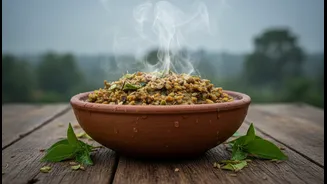
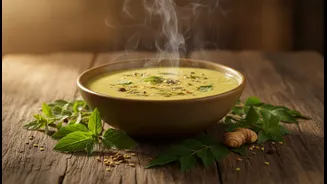
At the heart of this seasonal wellness routine is Karkidaka Kanji, a warm, medicinal rice gruel also known as Oushadha Kanji (medicinal porridge). It’s a meticulously designed food that embodies the Ayurvedic principle of 'food as medicine' (Ahara as Aushadha). This is not just any rice porridge; it is a therapeutic blend of special rice, nourishing liquids, and a host of herbs and spices, formulated to support the body through the challenging monsoon season. It is typically consumed daily for a period ranging from seven to 28 days, often as a light evening meal to aid digestion.
Pantry Wisdom: The Key Ingredients
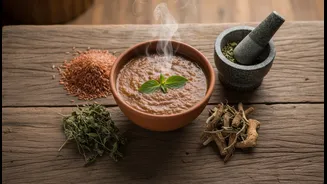
The power of Karkidaka Kanji lies in its components, each chosen for a specific purpose. The base is often Njavara rice, a medicinal red rice variety from Kerala known for being easy to digest and strengthening. This is slow-cooked with warming spices that rekindle digestive fire. Key spices include dry ginger (Chukku) to relieve bloating, cumin (Jeera) to settle the stomach, and fenugreek (Uluva), which has anti-inflammatory properties. The porridge is typically finished with coconut milk, which provides healthy fats. Many preparations also include a complex mix of Ayurvedic herbs, sometimes sold as a 'Kanjikoottu' kit, featuring formulations like Dashamoola (a group of ten roots) or Dashapushpam (ten sacred flowers), which are revered for their healing properties.
The Claimed Benefits
The tradition of consuming Karkidaka Kanji is upheld for its wide range of purported health benefits. The primary goal is to boost immunity and strengthen the body’s natural defenses against seasonal infections like colds and fevers. The warming spices directly address sluggish digestion, helping to improve appetite and reduce bloating. It is also considered a detoxifying food that helps eliminate accumulated toxins ('Ama'). Furthermore, its anti-inflammatory ingredients can provide relief from joint pain and stiffness, conditions often exacerbated by the damp monsoon weather. Some also believe it helps in managing cholesterol and blood sugar levels.
A Look at Limits and Modern Practice
While Karkidaka Kanji is a cherished wellness tradition, it's important to view it with a balanced perspective. It is a supportive, preventive measure, not a miracle cure for diseases. The effectiveness of the kanji can depend on the quality and combination of herbs used. While basic recipes can be made at home, the specific herbal formulations in a truly therapeutic 'Oushadha Kanji' are often customized by an Ayurvedic physician based on an individual's constitution and health needs. People with specific health conditions, such as diabetes, as well as pregnant women, should consult a doctor before incorporating it into their diet, as ingredients may need adjustment. It is part of a larger lifestyle approach that also recommends avoiding heavy, oily, and non-vegetarian foods during this period.
Beyond Kerala: Monsoon Porridge Traditions
The wisdom of eating warming, easily digestible porridges during the monsoon is not limited to Kerala. Across India, different communities have their own versions of rainy season comfort bowls. In Goa, a sweet ragi (finger millet) porridge called 'tizaan' is popular, often sweetened with palm jaggery. Karnataka has 'Pundi Gatti', steamed rice dumplings that are light and non-oily. In West Bengal, a rainy day is incomplete without 'khichuri', a flavourful rice and lentil dish, which is far from a simple gruel. These regional variations all share a common thread: providing nourishment and comfort when the body needs it most.