




The Timeless Monsoon Mood
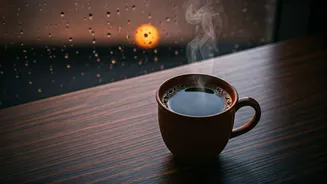
For generations, the arrival of the monsoon has signalled a specific, almost sacred, ritual in Indian households. As grey clouds gather and the first drops begin to fall, a collective craving awakens. It’s a craving for deep-fried, crunchy snacks — sizzling
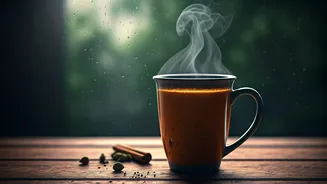
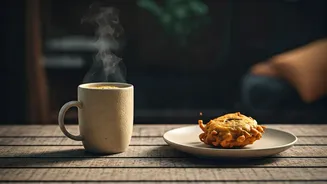
pakoras, bhajiyas, or samosas — accompanied by a steaming cup of adrak-elaichi chai. This combination isn't just about food; it's a multi-sensory experience steeped in nostalgia. It’s the sound of batter hitting hot oil, the aroma of ginger and cardamom brewing, and the comfort of huddling with family while the world outside is washed clean. This tradition is a cornerstone of our shared cultural memory, a simple, indulgent joy that defines the season.
Enter the Wellness Brew
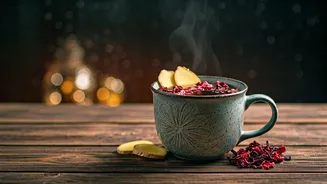
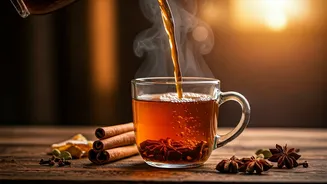
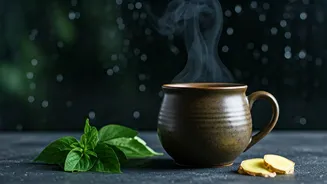
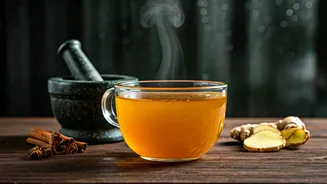
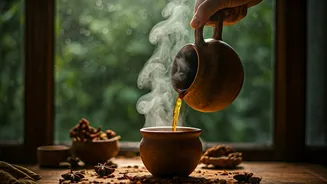
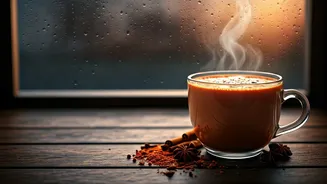
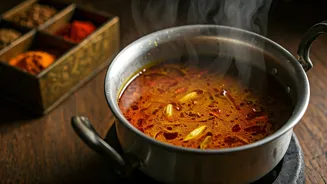
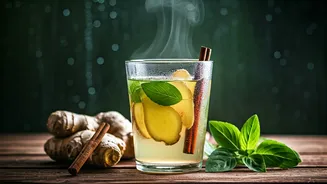
Lately, however, a subtle shift has occurred. Alongside the familiar masala chai, another cup is appearing on coffee tables and in social media feeds: the 'immunity tea'. This isn't a single, branded product but rather a category of beverages, often a modern spin on the age-old kadha. These brews are typically packed with ingredients long celebrated in Ayurveda and home remedies for their health-giving properties. We're talking about concoctions featuring fresh turmeric, crushed ginger, black pepper, cloves, cinnamon, and holy basil (tulsi). While our grandmothers have been making these decoctions for decades to ward off seasonal colds and coughs, what's new is their conscious adoption as a staple of the monsoon experience, reframed under the modern banner of 'immunity'.
A Post-Pandemic Health Consciousness
So, why the change? The answer, in large part, lies in our collective experience over the past few years. The COVID-19 pandemic thrust the word 'immunity' from the realm of doctors and health journals into everyday conversation. Suddenly, strengthening our body's natural defences became a priority for everyone. The government and health bodies actively promoted traditional Ayurvedic solutions like kadha, and we listened. This heightened health awareness didn't just disappear with the lockdowns. It has lingered, reshaping our daily habits and choices. The monsoon, long associated with a spike in viral fevers, flu, and water-borne diseases, is now viewed through this new lens of preventative health. The immunity tea is a direct response—an easy, comforting way to feel proactive about one's health during a vulnerable season.
Modern Wellness Meets Ancient Wisdom
This trend is more than just a health fad; it represents a beautiful synthesis of old and new. It’s about taking the wisdom of our ancestors—the Dadi-Nani ke nuskhe—and integrating it into our modern lifestyles. Cafes now list 'Immunity Booster' teas on their menus, and wellness brands sell beautifully packaged herbal blends. It has become a lifestyle choice that feels both responsible and rooted in Indian identity. It allows us to participate in a global wellness culture while simultaneously celebrating our own traditions. The immunity tea is not seen as a bitter medicine to be gulped down, but as a flavourful, aromatic beverage to be savoured—just like chai.
An Evolving Monsoon Platter
Crucially, the rise of the immunity tea doesn't mean the demise of the pakora. This isn't about replacement; it's about expansion. The modern Indian monsoon ritual is becoming one of balance. It acknowledges our desire for indulgence while catering to our newfound need for wellness. You can have your crispy, fried pakoras, but perhaps you’ll pair them with a warming, spicy tea that feels like it’s doing you some good. It reflects a broader shift in our approach to food and life—a blend of mindful choices and joyful traditions. The monsoon platter is simply getting bigger, making room for a cup that soothes the soul and, hopefully, strengthens the body.