



The Great Indian Grain Revival
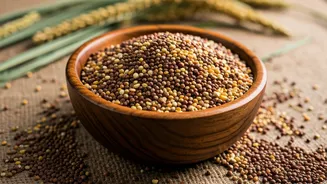
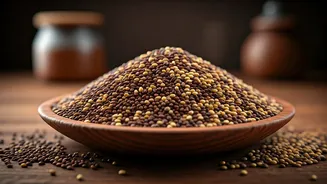
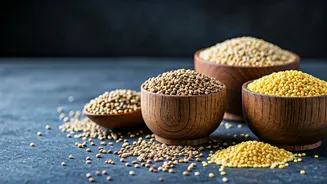
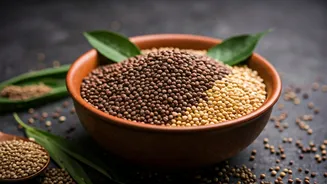
For centuries, millets were a staple food across India, valued for their resilience in harsh climates and their immense nutritional benefits. However, with the rise of wheat and rice, these humble grains took a backseat. Now, thanks to a renewed global
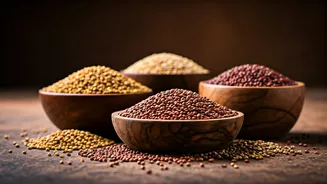
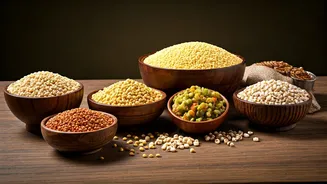
focus on health and sustainability, millets are rightfully reclaiming their place on our plates. Recognised for being rich in protein, fibre, and essential minerals, these grains are a powerhouse of nutrition. [3, 7] They are naturally gluten-free, making them an excellent choice for those with sensitivities. [5] Furthermore, government initiatives and the celebration of the International Year of Millets have significantly boosted awareness, encouraging farmers to cultivate them and consumers to adopt them. [6, 18]
A Quick Guide to Common Millets
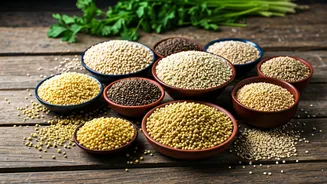
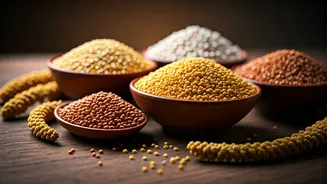
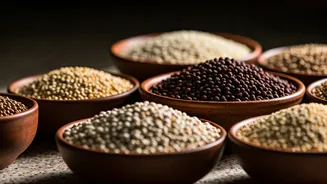
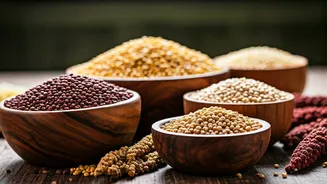
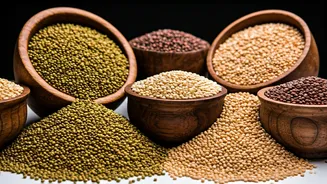
Navigating the world of millets can seem daunting, but a few key players are easy to find and use. Each offers a unique flavour and health profile. [13] Jowar (Sorghum): Known for being rich in protein and fibre, jowar is excellent for digestion and helps in managing blood sugar levels. [11, 31] Its flour makes delicious, soft rotis. Bajra (Pearl Millet): Packed with iron, protein, and magnesium, bajra is a perfect winter grain that provides warmth and energy. [10, 31] It's great for heart health and can help prevent anaemia. [23] Ragi (Finger Millet): A true superfood, ragi boasts the highest calcium content among all cereals, making it vital for bone health. [11, 23] Its versatility extends from rotis and dosas to nutritious porridge for all ages.
Making the Switch: Simple Ways to Start
Incorporating millets into your diet doesn't require a complete overhaul of your eating habits. The key is to start small and simple. One of the easiest methods is to treat them like rice. [21] You can cook foxtail or little millet and serve it as a substitute for white rice with your favourite dal or curry. [20] Another simple trick is to mix millet flour with your regular wheat flour for rotis. [20] Start with a small ratio, like one part millet flour to four parts wheat, and gradually increase it as you get accustomed to the taste and texture. This method works well with jowar and bajra flour. You can also add cooked millets to salads, soups, or even your dosa and idli batter for a nutritional boost.
Effortless Millet Meal Ideas
Ready to move beyond the basics? Millets can be the star of many quick and easy meals. For a hearty breakfast, try a millet upma, which can be made in under 30 minutes using foxtail or barnyard millet along with your favourite vegetables. [4, 16] A warm bowl of ragi porridge, sweetened with jaggery and topped with nuts, is another comforting and healthy start to the day. [12] For lunch or dinner, a one-pot bajra khichdi with moong dal is both filling and incredibly nutritious. [4] You can also make crispy ragi dosas for a quick meal; the batter requires no lengthy fermentation if you use ragi flour mixed with rice flour and curd. [4]
Smart Shopping and Preparation Tips
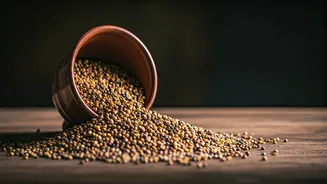
To get the most out of your millets, a little preparation goes a long way. When buying, look for clean, uniform grains without dust or debris. Store them in an airtight container in a cool, dark place to maintain freshness. Most millets benefit from being soaked for at least a couple of hours before cooking. This not only softens them and reduces cooking time but also helps in breaking down phytic acid, making the nutrients more easily absorbable by your body. A simple rinse and soak can significantly improve their digestibility and enhance their flavour. For a fluffier texture when cooking, use a 1:2 ratio of millet to water, similar to how you would cook quinoa. [24]