



The Verdant Star: Mustard Greens
The arrival of winter in North India paints the fields a brilliant yellow, signalling the peak season for mustard, or 'sarson'. This leafy green is a quintessential Rabi crop, sown after the monsoon and harvested throughout the colder months. Its prevalence
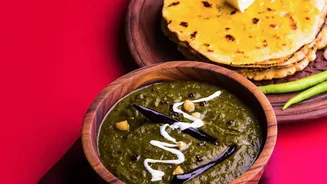
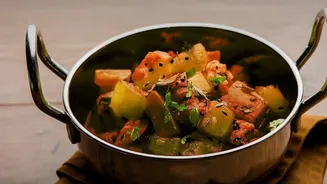
is a direct result of this agricultural cycle, making it fresh, affordable, and abundant when other vegetables are scarce. But its dominance is about more than just availability. Mustard greens have a naturally pungent and spicy flavour, which, according to traditional wisdom, helps generate internal warmth. This makes them the perfect antidote to winter's bite. Nutritionally, they are a powerhouse, packed with vitamins A, C, and K, as well as essential minerals like iron and calcium that boost immunity and support bone health during a season when the body is more vulnerable. The most iconic preparation, 'Sarson da Saag', slow-cooked for hours and often paired with ghee, is more than a meal; it's a warming, nourishing ritual.
The Golden Sweetener: Jaggery
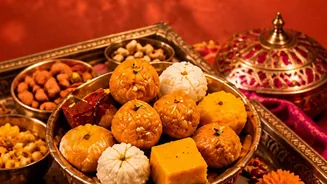
As winter deepens, so does India's love for 'gur', or jaggery. This unrefined sweetener, made from concentrated sugarcane juice, is preferred over processed sugar for its distinct health benefits during this season. According to Ayurveda and traditional home remedies, jaggery has a 'warm potency' ('taseer'), meaning it helps increase body temperature and provides a quick, sustained release of energy to combat the cold. The sugarcane crushing season aligns perfectly with the start of winter, making fresh jaggery widely available from October and November onwards. It is loaded with minerals like iron, magnesium, and potassium, which are retained because it isn't refined like white sugar. These nutrients help boost immunity and prevent deficiencies. This is why winter is synonymous with jaggery-based sweets like 'tilgul' (sesame and jaggery balls), 'gajak' (a brittle candy), and peanut 'chikki', which are not just treats but functional foods designed to provide warmth and strength.
The Ancient Grains: Millets
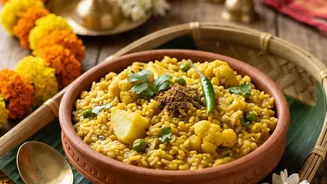
Long before wheat and rice became staples, millets were the bedrock of the Indian diet, and they reclaim their throne every winter. Hardy grains like pearl millet ('bajra') and finger millet ('ragi') are perfectly suited to the country's winter growing season. They require less water than other crops and thrive in cooler, drier conditions, making them a reliable food source for farmers. Their high-fibre content aids digestion, which can become sluggish in colder weather, and they are packed with energy-dense complex carbohydrates that provide lasting fuel. Like jaggery and mustard greens, millets are considered 'warming' foods. A classic 'Bajra ki Roti' served with a dollop of ghee, or a hearty 'Ragi Mudde' in the south, provides the thermal comfort and robust nutrition needed to endure the chill. These grains are rich in essential minerals, with bajra offering iron and magnesium, and ragi being an exceptional source of calcium, crucial when sun exposure and vitamin D levels are lower.
A Symphony of Tradition and Health
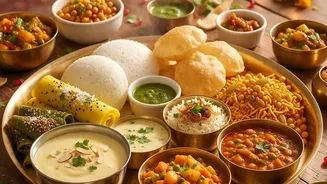
The dominance of these three ingredients is no coincidence; it's a carefully orchestrated system of seasonal eating perfected over centuries. Mustard greens provide the vitamins and minerals to fight off winter illnesses. Jaggery delivers the clean energy and warmth needed to stay active. Millets offer the complex carbohydrates and fibre for sustained nourishment and digestive health. Together, they form a nutritionally complete and complementary trio. This culinary heritage reflects a deep understanding of agriculture, climate, and the human body's seasonal needs. It's a tradition that goes beyond mere flavour, representing a practical and delicious form of wellness that connects people to the land and the rhythms of the year. From the mustard fields of Punjab to the millet farms of Rajasthan, these foods are a testament to the enduring wisdom of India's winter kitchen.