


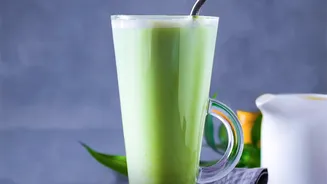
A Sip of Modern Tradition
Walk into many urban cafes across India today, and you might notice a shift in the beverage menu. Beyond the cappuccinos and masala chais, a new category of sophisticated, cooling drinks is taking hold. Iced teas, infused with familiar, age-old herbs
like lemongrass and Tulsi (Holy Basil), are becoming the go-to choice for a generation that seeks both comfort and novelty. This isn't just about finding a new way to beat the heat; it's a reflection of a larger cultural trend. Consumers, especially younger millennials and Gen Z, are increasingly drawn to products that blend India's rich heritage with a modern, global aesthetic. These infusions offer the perfect mix: the wellness wisdom of Ayurveda in a format that’s stylish, refreshing, and highly Instagrammable.
The Zesty Allure of Lemongrass
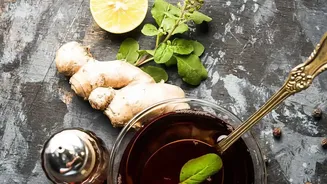
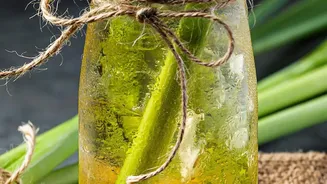
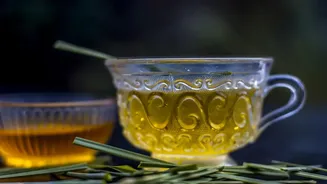
Lemongrass, with its distinct citrusy fragrance and flavour, has long been a staple in South and Southeast Asian kitchens. Its inclusion in cold teas is a natural fit. The herb imparts a crisp, clean taste that is instantly refreshing, cutting through the humidity of a warm afternoon. Cafe owners and beverage creators are tapping into its versatile profile, pairing it not just with tea but also with other ingredients like ginger, mint, and honey to create layered, aromatic drinks. Beyond its flavour, lemongrass is associated with a host of wellness benefits, including aiding digestion and being rich in antioxidants. This functional aspect appeals to the growing number of health-conscious consumers who are moving away from sugary, artificial sodas and looking for beverages that do more than just quench thirst.
Tulsi: The Queen of Herbs Goes Cool
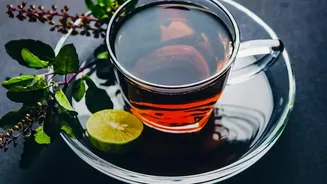
If lemongrass brings the zest, Tulsi brings the soul. Revered in India as “The Queen of Herbs,” Tulsi has been a cornerstone of Ayurvedic medicine for centuries. It is known as a potent adaptogen, an herb believed to help the body manage stress and maintain balance. Traditionally consumed warm as a healing concoction, its use in cold infusions is a modern reinterpretation. Its slightly pungent, sweet, and earthy notes provide a complex and soothing counterpoint to the sharpness of tea and citrus. Incorporating Tulsi allows cafes to offer a drink that feels both restorative and uniquely Indian. Brands and cafes are highlighting its benefits, from boosting immunity to promoting mental clarity, positioning these cold teas as a form of everyday wellness.
Crafting the Perfect Infusion
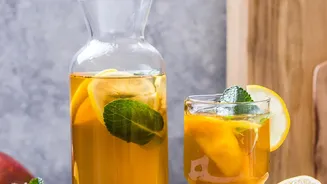
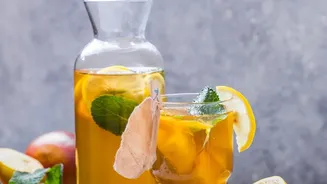
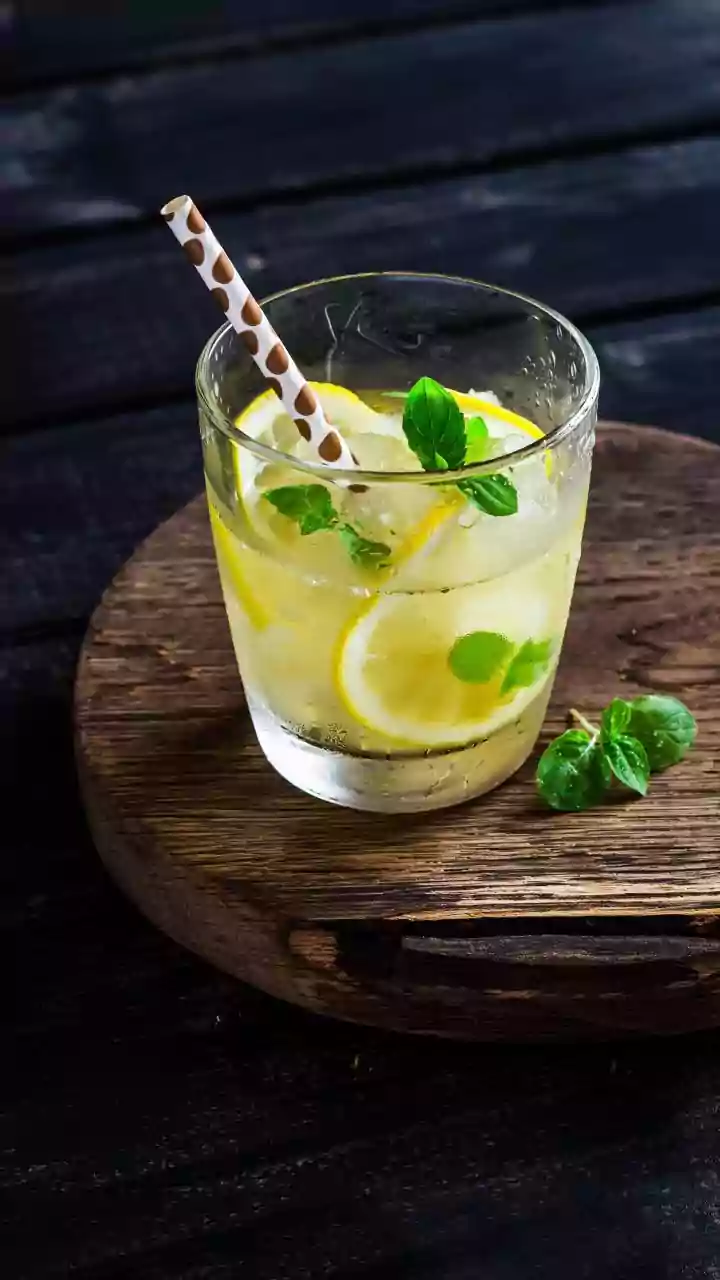
The process of creating these infused teas is an art in itself. It’s more than just dunking a tea bag in cold water. Many cafes use a cold-brewing technique, where tea leaves and herbs are steeped in cold water for an extended period—often 12 to 24 hours. This slow extraction results in a smoother, less bitter flavour, allowing the delicate notes of the lemongrass and Tulsi to shine through. Others may brew a strong hot concentrate and flash-chill it to preserve the aromatic oils. The final product is often served in tall glasses with fresh garnishes like a sprig of mint or a slice of lemon, turning a simple drink into a multi-sensory experience. This attention to craft elevates the beverage from a simple thirst-quencher to a premium offering.
More Than Just a Drink
The rise of lemongrass and Tulsi cold teas is part of a broader shift in India's beverage culture. As consumers become more adventurous, they are seeking out non-alcoholic drinks that are as complex and interesting as cocktails. This trend, sometimes called the 'zero-proof' movement, has pushed cafes to innovate beyond standard mocktails. These herbal infusions offer a sophisticated, adult alternative that is flavourful, functional, and deeply rooted in Indian culture. They represent a move towards mindful consumption—choosing beverages that not only taste good but also make you feel good, connecting you to a tradition of wellness that has been passed down through generations.