








A Feline-Friendly Shift in Urban India
Recent data and market trends are pointing to a fascinating shift in Indian pet culture. While comprehensive national pet census data is still nascent, surveys from pet care industry leaders and anecdotal evidence from veterinarians suggest a clear trend:
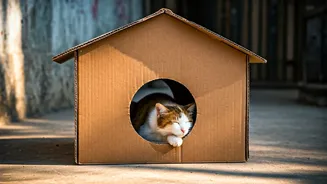
Mumbai is emerging as the cat capital of India. The city’s pet parents are now more likely to choose a feline companion compared to their counterparts in other major metros like Delhi and Bengaluru. This isn't just a statistical blip; it reflects a deeper change in urban lifestyles, priorities, and our very definition of companionship.
Why Mumbai is Purr-fect for Cats
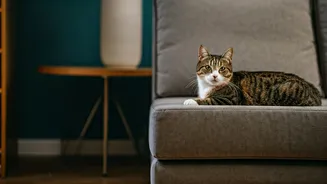
The reasons behind Mumbai's love for cats are intrinsically linked to the city's unique character. First, there's the space constraint. In a city defined by its compact apartments and vertical living, a cat that thrives indoors is a more practical choice than a large dog that needs ample space to run. The quintessential Mumbaikar's lifestyle—characterised by long work hours, demanding commutes, and a fast-paced schedule—also plays a crucial role. Cats, with their famed independence, don't require daily walks or constant attention. They are content to nap, explore their vertical territory (the top of a cupboard is as good as a park), and greet their owners at the end of a long day. This low-maintenance companionship is a perfect fit for the busy, often single, young professionals who flock to the city for their careers.
The Delhi and Bengaluru Picture
So, why are Delhi and Bengaluru seemingly lagging in this feline wave? The urban fabric of these cities offers some clues. Delhi, with its larger homes, sprawling farmhouses in the NCR, and a culture that has historically valued dogs for security, leans more towards canine companions. The city’s layout and lifestyle can more easily accommodate the needs of a dog. Bengaluru, the 'Garden City,' has a strong outdoor culture. The city's many parks and relatively pleasant weather have traditionally made it a dog lover's paradise. While cat ownership is certainly on the rise there too, driven by the IT crowd living in apartments, the city's foundational culture still has a strong canine inclination. The difference isn't a lack of love for cats, but a lifestyle that has historically favoured their canine counterparts.
More Than Just a Pet
This trend is about more than just convenience; it's about a fundamental shift in our relationship with pets. The term 'pet owner' is increasingly being replaced by 'pet parent'. For many, especially millennials and Gen Z living away from their families, a pet is a source of profound emotional support and a cure for urban loneliness. The quiet, calming presence of a cat can be incredibly therapeutic after a stressful day. Unlike dogs, whose love is often effusive and loud, a cat's affection is earned, making the bond feel particularly special. They have become furry, four-legged members of the family, providing silent support and unconditional, albeit subtle, affection.
The Growing Pet Economy
This social shift is creating real economic ripples. The pet care market in India is booming, and a significant segment is now dedicated to felines. Walk into a premium pet store in Mumbai, and you'll find aisles dedicated to gourmet cat food, interactive toys designed to stimulate a cat's mind, stylish scratching posts that double as home decor, and even cat-friendly CBD oils for anxiety. This growing demand has also spurred a rise in specialised services like catteries (boarding for cats), mobile grooming vans, and veterinarians who specialise in feline health. The rise of the urban cat is not just changing homes; it's building a whole new industry.