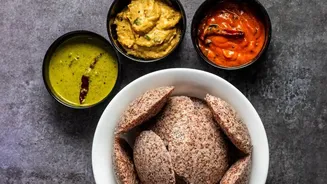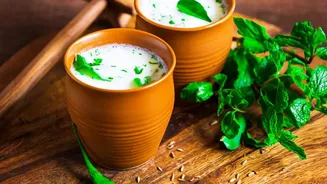








What Exactly Is Ambali?
At its heart, Ambali is a simple, nourishing porridge-like beverage made from ragi, or finger millet. It has been a staple for generations, particularly in southern states like Karnataka, Tamil Nadu, and Andhra Pradesh. The process is straightforward:
ragi flour is cooked into a gruel, then left to ferment, often overnight. This crucial fermentation step transforms the simple millet porridge, giving it a characteristic tangy flavour and unlocking many of its health benefits. It is traditionally served in two main ways: savoury, mixed with buttermilk, salt, and perhaps chopped shallots and green chillies; or sweet, blended with jaggery.
From Farmer's Fuel to Urban Elixir
For centuries, Ambali was the go-to sustenance for farmers and labourers. Consumed in the morning, its complex carbohydrates provided slow-releasing energy that could fuel a long day of physical work. Its reputation as a natural body coolant also made it essential for beating the harsh Indian summer heat. So, why is a drink once considered rustic and old-fashioned suddenly appearing in chic city cafes? The answer lies in a modern wellness wave. As urban Indians become more interested in gut health, traditional recipes, and nutrient-dense local ingredients, ancient foods like Ambali are being rediscovered. The global spotlight on millets as a sustainable and healthy 'superfood' has also helped propel this humble drink from rural kitchens into the premium wellness market.
The Probiotic Powerhouse
The secret to Ambali's modern appeal is fermentation. This natural process turns the drink into a rich source of probiotics—the beneficial bacteria essential for a healthy digestive system. Much like yoghurt or kefir, Ambali contains live cultures that help nourish the gut microbiome, improve digestion, and support overall immunity. Fermentation also has another key benefit: it helps break down phytic acid, a compound naturally found in grains that can block the absorption of minerals. This means the abundant calcium and iron in ragi become more easily available for the body to use, making Ambali a true nutritional powerhouse.
A Modern Makeover
While the soul of Ambali remains traditional, its presentation in city cafes is getting a contemporary upgrade. Forget simple steel tumblers; today, you might find Ambali served chilled in stylish glassware, garnished with fresh herbs, or even blended into innovative new forms. Some cafes are experimenting with infusions, while others are creating savory bowls topped with everything from roasted peanuts to pickled onions and avocado. This modern facelift makes the drink more approachable and visually appealing to a younger, health-conscious audience that values both authenticity and aesthetics. It’s part of a larger trend that has seen other traditional Indian beverages like Sol Kadhi and Kanji find new life on cafe menus.
What to Expect: A Taste of Tradition
If you're trying Ambali for the first time, expect a unique flavour profile. The fermentation gives it a distinct sourness and tang, similar to buttermilk or unsweetened yoghurt, but with an underlying earthy taste from the ragi millet. The consistency can range from a thin, drinkable liquid to a thicker, spoonable porridge. The savoury version is the most common, offering a refreshing and lightly spiced experience, often enhanced with the pungent crunch of raw onion and the mild heat of green chilli. It’s a flavour that speaks of the earth, of tradition, and of a simple, time-tested approach to wellness that is now, once again, finding its moment.