




From Off-Season to On-Trend
The Indian monsoon, with its relentless rain and lush, green transformation of the landscape, has traditionally been the off-season for outdoor rock climbing. Wet holds, slippery surfaces, and the risk of landslides make it a dangerous and impractical
time to scale a rock face. But where some see an obstacle, others see an opportunity. A thrilling trend has emerged, particularly in the Sahyadri mountain range of Maharashtra, that doesn't just tolerate the rain—it depends on it. This ‘monsoon twist’ is waterfall rappelling, an adrenaline-pumping activity that has turned the rainy months into the most anticipated time of the year for a new generation of adventurers.
What Is Waterfall Rappelling?
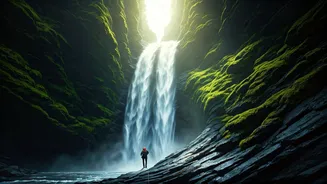
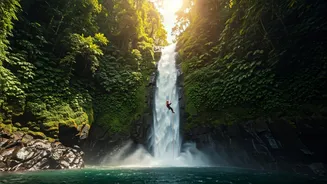
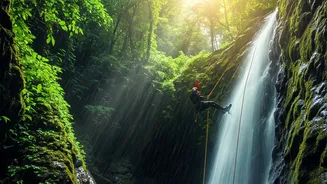
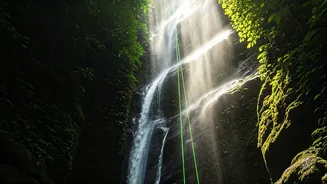
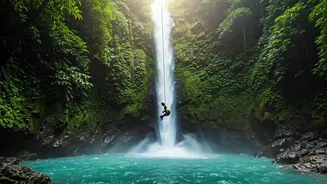
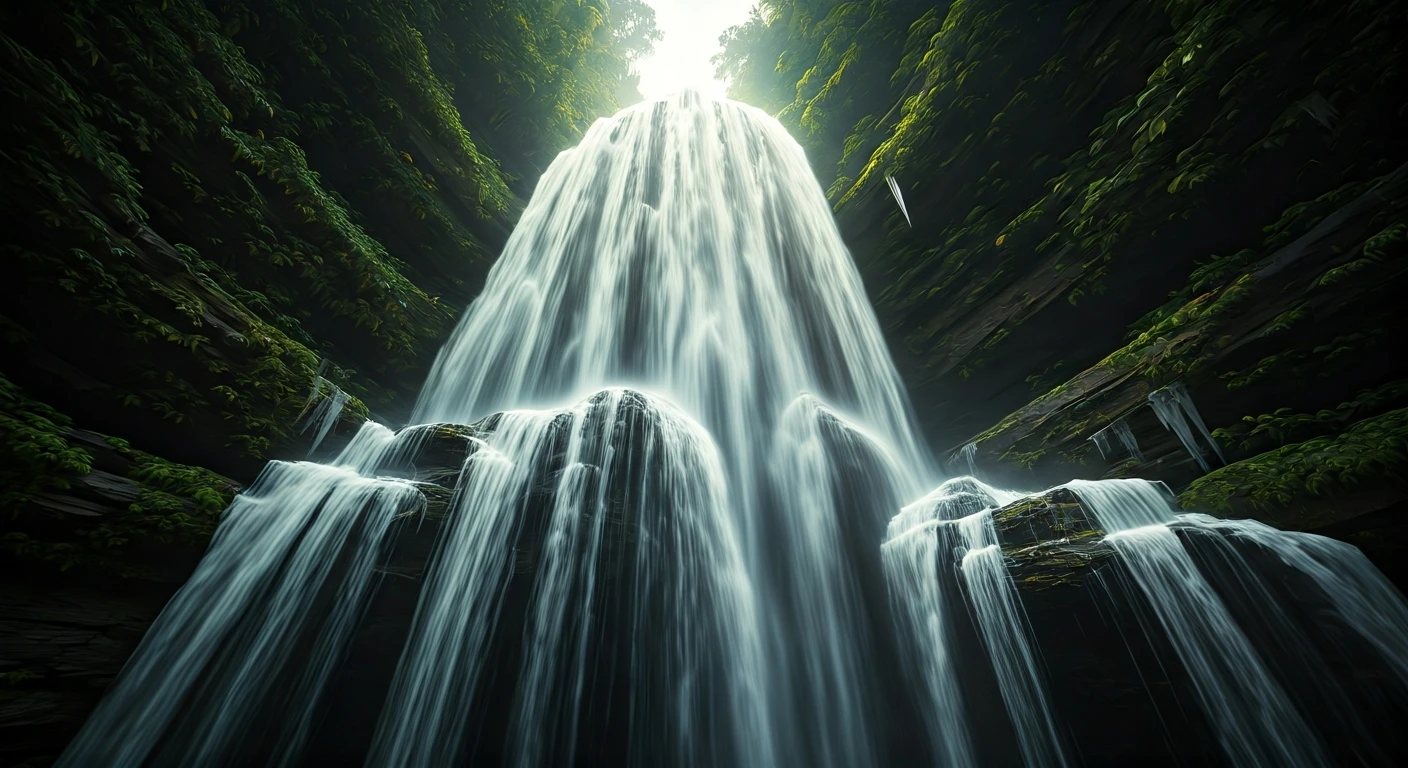
Waterfall rappelling, also known as canyoning or cascading, is exactly what it sounds like: a controlled descent down a rock face through the heart of a flowing waterfall. Unlike traditional rappelling (or abseiling) on dry rock, this activity adds the powerful, unpredictable element of water. Climbers are harnessed and connected to a fixed rope, and they use a descender device to control their speed as they walk themselves down the cliff face. They navigate the slippery, moss-covered rocks while a torrent of water crashes over them, requiring a unique blend of rock climbing skill, mental fortitude, and a deep respect for the power of nature. It’s less about finding handholds to go up and more about maintaining balance and control on the way down.
The Sahyadri's Monsoon Mecca
The Western Ghats, especially the Sahyadri range in Maharashtra, have become the epicentre of this trend. During the monsoon, the region's dormant cliffs and gorges transform into a network of hundreds of waterfalls, creating a natural water park for adventure seekers. Locations near Mumbai and Pune, such as Lonavala, Karjat, Bhivpuri, and Kolad, are buzzing with activity from June to September. Adventure tour operators have professionalised the experience, setting up safe and certified rappelling stations at popular spots like the Bekare and Dudhiware waterfalls. These weekend hotspots draw crowds ranging from seasoned climbers looking for a new challenge to corporate teams and college students eager for a taste of extreme adventure.
The Right Gear and Mindset
While the experience is exhilarating, it is not one to be attempted without proper preparation and professional guidance. The gear is specific and crucial for safety. It includes static ropes (which don't stretch), a secure harness, a helmet to protect from loose rocks, and a rappelling device like an 'ATC' or 'Figure 8'. Good-quality shoes with a strong grip are non-negotiable. More important than the gear, however, is the mindset. Participants must be prepared for the cold water, the force of the cascade, and the physical exertion. Listening intently to the instructor's briefing is paramount. Reputable organisers ensure high safety standards, with experienced guides managing the ropes from both the top and bottom, making the activity accessible even to first-timers who are physically fit and have a spirit for adventure.
More Than Just an Adrenaline Rush
The appeal of waterfall rappelling goes beyond the simple adrenaline spike. It's an immersive sensory experience. It’s the roar of the water, the feel of its force on your back, the sight of the verdant valley spread out below, and the cool spray on your face. For many, it’s a form of active meditation, demanding complete focus on the present moment. There is no room for distraction when you are suspended on a rope in the middle of a waterfall. This activity fosters a unique camaraderie, as groups encourage each other through the challenge. It’s a powerful way to connect with the raw beauty of the Indian monsoon, transforming a season often spent indoors into a celebration of nature's power and spectacle.