



Assess Your Space, Define Your Style
Before you buy a single pot, take a moment to understand your balcony. Observe the sunlight it receives throughout the day. A south-facing balcony that gets intense sun is perfect for sun-loving flowers like bougainvillea and hibiscus, while a north-facing
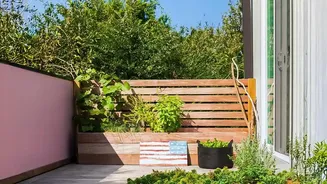
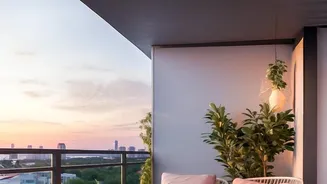
one with indirect light is ideal for ferns and snake plants. East-facing balconies get gentle morning sun, suitable for most herbs. Next, think about style. The goal is to create a seamless flow from your indoor space to your outdoor one. Look at your interior decor. Is it modern and minimalist, or traditional and earthy? Use this as a guide to choose a color palette and materials for your balcony. Using similar flooring or colours can blur the boundaries between indoors and out, making both spaces feel larger.
The Art of Container and Decor
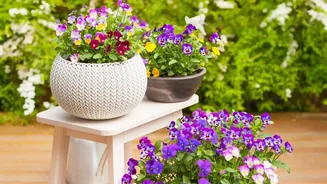
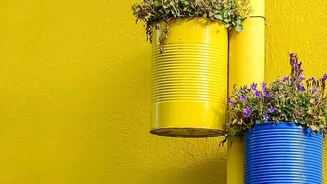
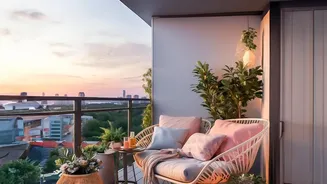
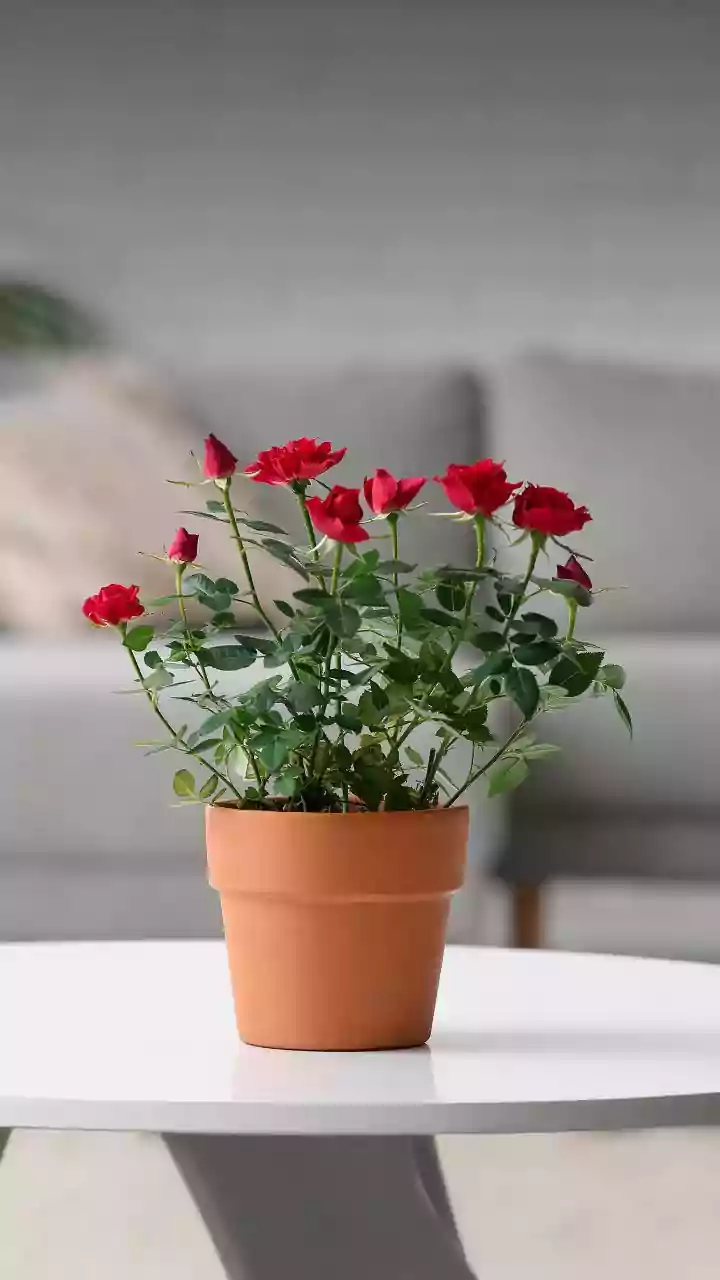
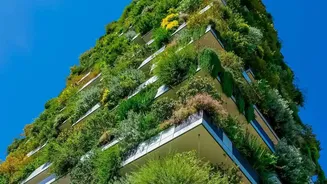
The right containers are crucial for both plant health and aesthetics. Ensure every pot has drainage holes to prevent root rot. Lightweight materials like plastic or fiberglass are practical, but may need securing on windy balconies. Terracotta pots are excellent for preventing overwatering as they are porous, but they also dry out faster in the heat. Your choice of planters can complement your design theme—sleek metal for a modern look, or colourful ceramics for a playful vibe. Don't be afraid to think vertically. Wall-mounted shelves, hanging planters, or tiered stands can maximize greenery without cluttering the floor. Comfortable, weather-resistant seating like a small bench or an L-shaped sofa invites you to spend time in your new oasis. Finally, ambient lighting such as fairy lights or solar-powered lanterns will make the space magical in the evenings.
Seasonal Planting for Year-Round Beauty
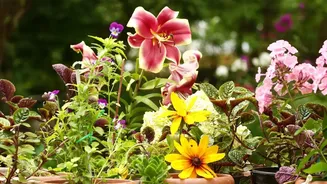
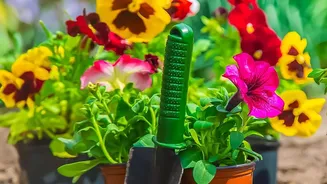
A truly dynamic balcony garden evolves with the seasons. In India, this means planning for winter, summer, and the monsoon. The winter months (October to February) are often the peak growing season, ideal for planting tomatoes, spinach, coriander, and seasonal flowers like marigolds and petunias. During the hot summer months (March to May), focus on heat-tolerant plants. Bougainvillea, portulaca (moss rose), and adenium (desert rose) thrive in the heat and require less water once established. When the monsoon arrives (June to September), it brings relief from the heat but also the risk of overwatering. Ensure excellent drainage and consider plants that enjoy the moisture, like the aparajita vine or rain lilies.
Fresh Flavours: Your Edible Corner
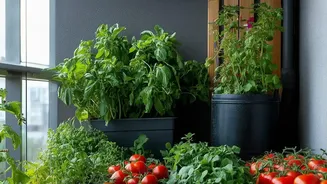
One of the greatest rewards of a balcony garden is harvesting your own fresh produce. Many herbs and vegetables are perfectly suited for container life. For a beginner-friendly edible garden, start with essentials for the Indian kitchen. Mint (pudina) is fast-growing but should be kept in its own pot to control its spread. Holy basil (tulsi), curry leaves (kadi patta), and lemon grass are other hardy choices that do well in containers. If you have a spot with at least five to six hours of sunlight, you can easily grow cherry tomatoes, chillies, and spinach. There's nothing more satisfying than snipping fresh coriander for a meal, grown right outside your window.
A Simple Routine for a Thriving Garden
The key to a low-maintenance garden is a simple, consistent routine. For container plants, the most common mistake is overwatering, which leads to root rot. A good rule of thumb is to check the soil with your finger; if the top inch feels dry, it's time to water. During peak summer, you may need to water daily, preferably in the early morning. Plants in pots rely on you for nutrients, so use a good quality potting mix and replenish it with compost or a suitable fertilizer every few weeks. A few minutes spent each week removing dead leaves, checking for pests, and rotating your pots will keep your green corner looking vibrant and healthy.