



Beyond the Usual Suspects
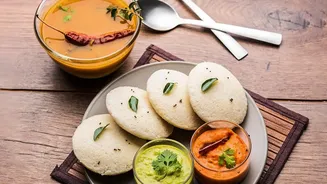
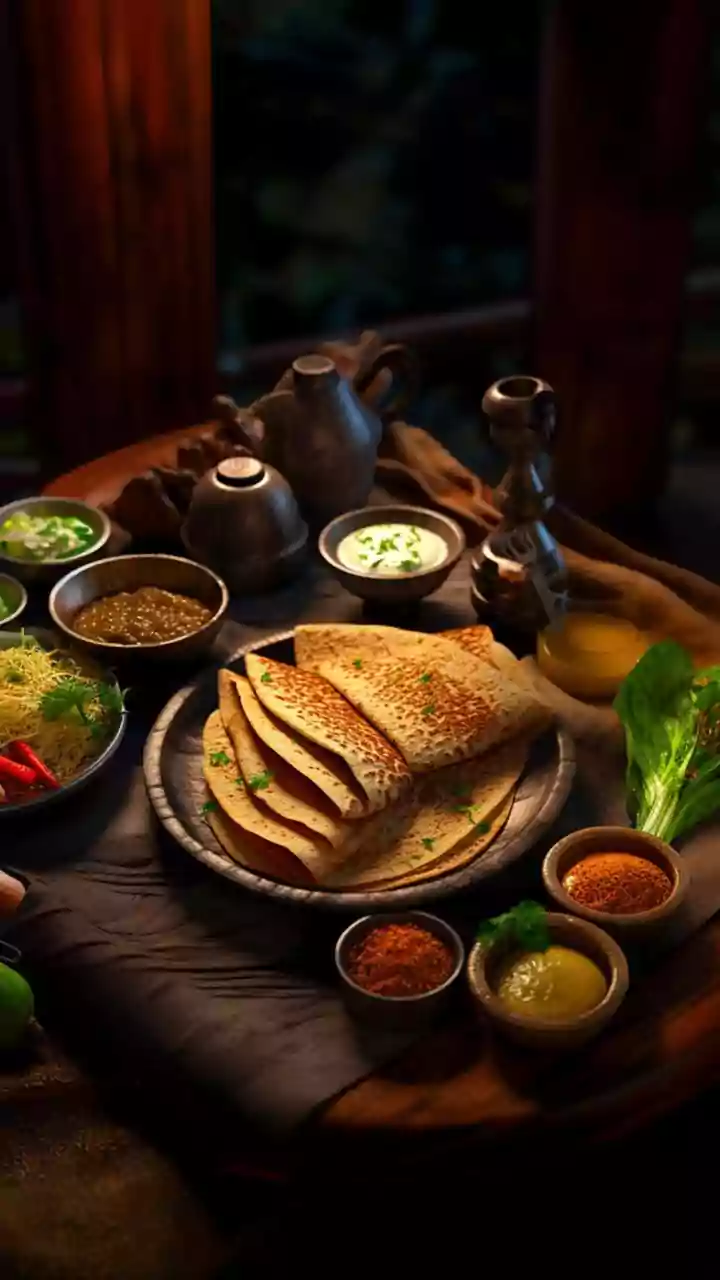
When we think of an Indian breakfast, familiar staples like idli-sambar, dosa, and aloo paratha often come to mind. These dishes have long been national treasures, found everywhere from five-star buffets to roadside stalls. But today, the breakfast landscape
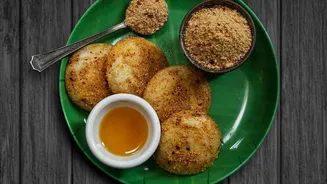
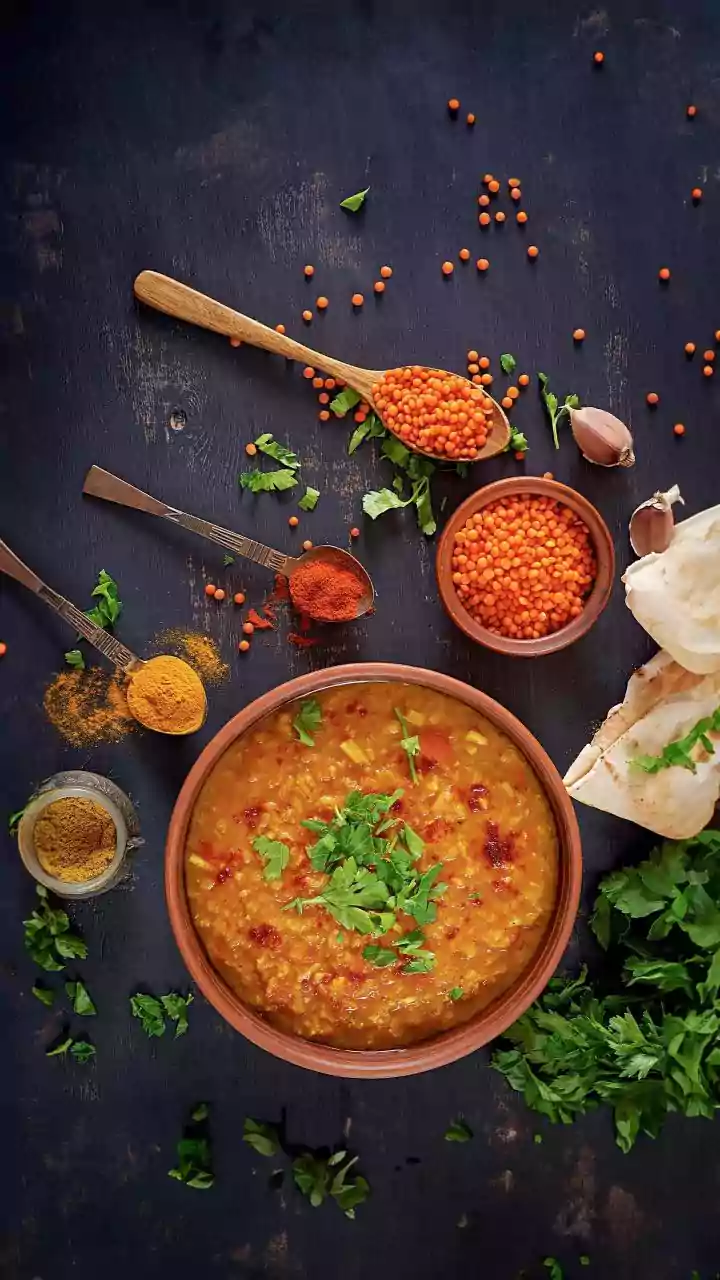
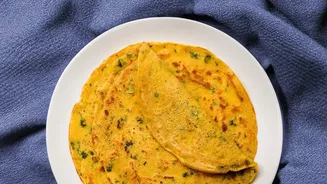
is expanding. A renewed interest in culinary heritage is bringing lesser-known regional specialities into the spotlight. Dishes like Pesarattu from Andhra Pradesh, a protein-packed crepe made from green gram, and Poha from Maharashtra, flattened rice lightly tossed with spices, are gaining popularity far beyond their states of origin. Similarly, fermented rice dishes like Pakhala Bhata from Odisha and millet-based porridges are being rediscovered, celebrated for their simplicity and deep-rooted history.
A Search for Authenticity and Wellness
This revival isn't just about new flavours; it's about a deeper cultural shift. In a world saturated with processed and fast foods, many Indians are seeking authenticity and a connection to their roots. Traditional breakfasts offer a direct link to this heritage, with recipes passed down through generations. There is also a powerful wellness component driving this trend. Many regional breakfast dishes are inherently healthy. The use of fermentation in foods like idli and dosa promotes gut health, while the reliance on lentils, millets, and fresh spices provides a balanced mix of proteins, fibre, and essential nutrients without the need for processed ingredients. As people become more health-conscious, these time-tested meals are being recognised for their nutritional wisdom.
The Modern Drivers of a Traditional Trend
While the dishes are traditional, the forces popularising them are distinctly modern. The rise of food-centric social media has allowed chefs and home cooks to showcase regional diversity to a national audience. A well-photographed plate of Appam with a vibrant vegetable stew can travel across the country in seconds, sparking curiosity and demand. Furthermore, as more Indians travel within the country for work and leisure, they are exposed to new culinary experiences, bringing an appetite for regional foods back to their home cities. This creates a market that restaurants and delivery platforms are eager to fill, making it easier than ever to find Maharashtrian Misal Pav in Delhi or Bengali Luchi Torkari in Bengaluru.
Chefs as Cultural Ambassadors
India's leading chefs are playing a crucial role in this movement. They are acting as culinary historians and innovators, digging into the country's diverse food traditions and reinterpreting them for contemporary diners. Chefs are increasingly looking beyond mainstream dishes to highlight the unique ingredients and cooking techniques of specific regions, from the smoked meats of Nagaland to the hyperlocal produce of Kerala. By placing these dishes on modern menus, they not only preserve culinary heritage but also elevate it, showing that traditional food can be both comforting and sophisticated. This chef-led advocacy has been instrumental in shifting the perception of Indian food, both at home and on the global stage.