
The Rise and Fall of the Beige Monoculture
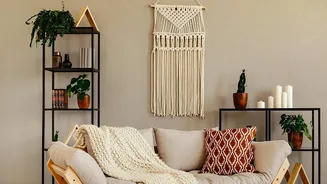
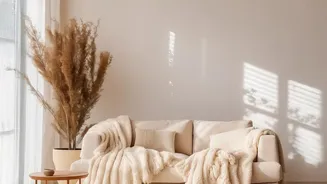
Let’s be honest: beige had a good run. In the early 2020s, it became the go-to palette for creating calm, minimalist spaces that felt like a soothing escape from a chaotic world. It was the uniform of “quiet luxury,” a sophisticated and inoffensive choice
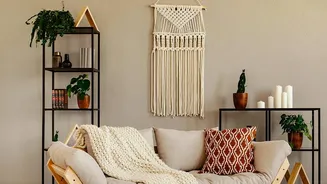
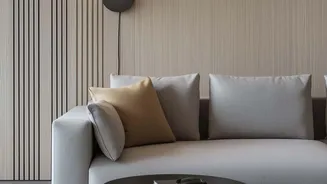
that promised a clean, curated look. But as beige drenched everything from our walls to our sofas, a collective fatigue began to set in. What once felt serene started to feel sterile; what was minimalist began to look simply monotonous. The social media trend of labeling overly neutral interiors as “sad beige” captured this sentiment perfectly, highlighting a growing desire for homes that feel less like a catalog and more like the people who live in them. The consensus is growing: a home layered in beige on beige can feel flat and lacking in soul.
Why Warmer Contrasts Are the Answer
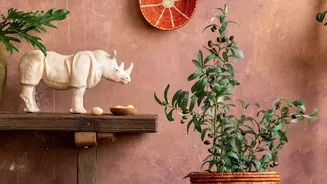
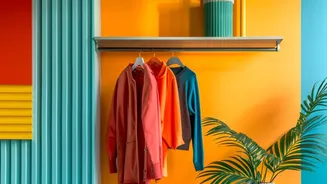
The antidote to the beige blahs isn't to abandon neutrals entirely. Instead, the most exciting shift in interior design is the move toward enriching neutral palettes with warmer, deeper contrasts. This isn't about a riot of jarring colors, but a more considered, layered approach. Think of it as a conversation between colors and tones. By introducing warmer hues, you create depth and an inviting atmosphere. Designers are championing earthy, organic tones that ground a space while adding character. Rich shades like terracotta, rust, deep olive green, and chocolate brown behave almost like neutrals themselves but bring a complexity and warmth that beige alone often lacks. The goal is to create balance, using these deeper tones to anchor the lighter neutrals and make them feel more intentional.
It’s Not Just Color—It's Texture
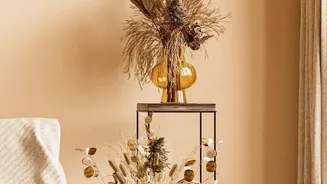
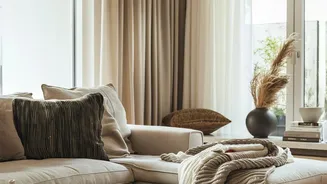
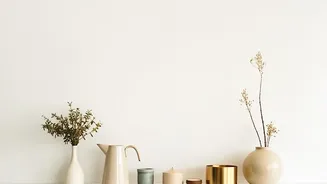
Creating a dynamic space goes beyond the paint chip. One of the most effective ways to build warmth and interest is by layering a variety of textures. A room where every surface feels different from the one next to it has incredible depth, even with a simple color palette. Think of combining the smoothness of a marble accent table with the nubby texture of a bouclé chair, the softness of linen curtains against the organic grain of a wood floor, and the gleam of a bronze lamp. Natural materials are key players here. Elements like wood, stone, clay, rattan, and wool introduce an earthy, tactile quality that prevents a neutral room from feeling sterile or one-dimensional. Even a single piece, like a large woven basket or a hand-thrown ceramic vase, can add a layer of handcrafted personality.
How to Start Adding Warmth (Without a Total Overhaul)
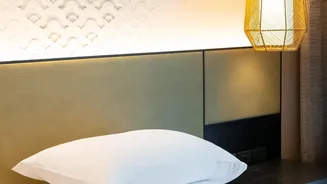
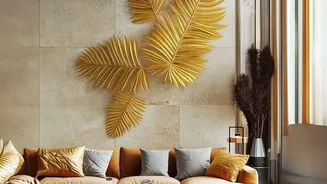
Embracing this trend doesn't require a gut renovation. The beauty of working with a neutral base is that it’s easy to build upon. You can start small with accessories that introduce color, pattern, and texture. A few throw pillows in a rich rust or deep green can instantly liven up a beige sofa. Draping a burnt orange throw blanket over an armchair adds an immediate pop of cozy color. Consider swapping out neutral lampshades for ones with a subtle pattern or a richer hue. Art is another powerful tool. A large, abstract piece with warm undertones can serve as a focal point and tie the new color accents together. Even introducing a single piece of furniture in a contrasting color or a darker wood tone can dramatically shift the energy of a room.
The New Neutral Palette
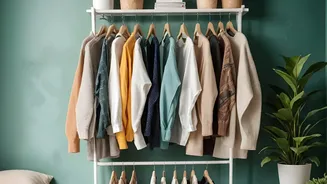
So, what does this new, warmer palette look like in practice? It's all about sophisticated combinations. Pair your existing creamy beiges with muted olive and add touches of black or graphite for a modern, high-contrast look. Try blending warm taupe with deep, clay-like terracotta and the richness of dark oak for an earthy, grounded feel. Even blues, often considered cool, can bring a refreshing balance when paired with warm browns. Other emerging favorites include soft mauves, buttery yellows, and deep cola browns, which offer the comfort of a neutral but with far more personality. The key is to select a hue you're naturally drawn to and introduce it intentionally, letting it complement the calm backdrop you already have.