


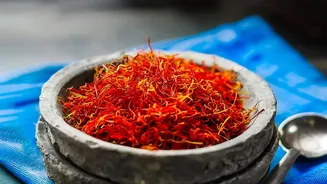
Known as 'red gold', saffron brings a luxurious colour and aroma to any dish. But this precious spice can be intimidating. This guide demystifies saffron, offering simple, practical tips for making perfect saffron milk and using it in daily Indian cooking.
The Secret to Perfect Saffron Milk
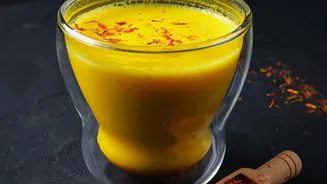
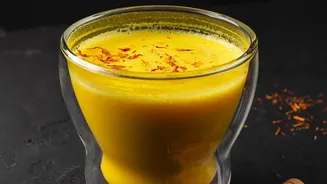
The most important technique for using saffron is 'blooming'. This simple step unlocks the spice's full potential. Never just drop dry saffron threads into a large pot of milk or water. Instead, take a small pinch of saffron, about 5-10 threads for a cup of milk, and lightly crush them between your fingers or with a mortar and pestle. Place the crushed threads in a small bowl with one or two tablespoons of warm—not boiling—milk. Let it steep for at least 10 to 20 minutes. You will see the milk turn a deep golden-orange colour. This infusion is the key. Once bloomed, stir this concentrated saffron milk into your larger cup of gently heated milk. Using boiling liquid can damage saffron's delicate aroma, so gentle warmth is always best.
Beyond Milk: Saffron in Everyday Indian Cooking
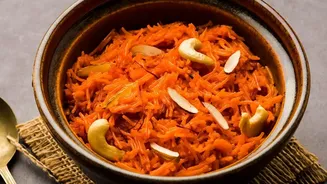
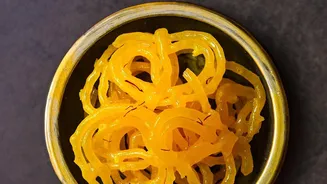
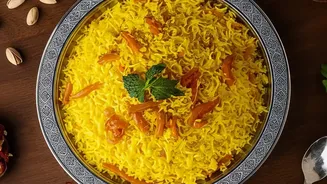
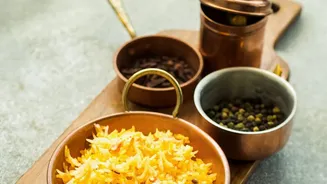
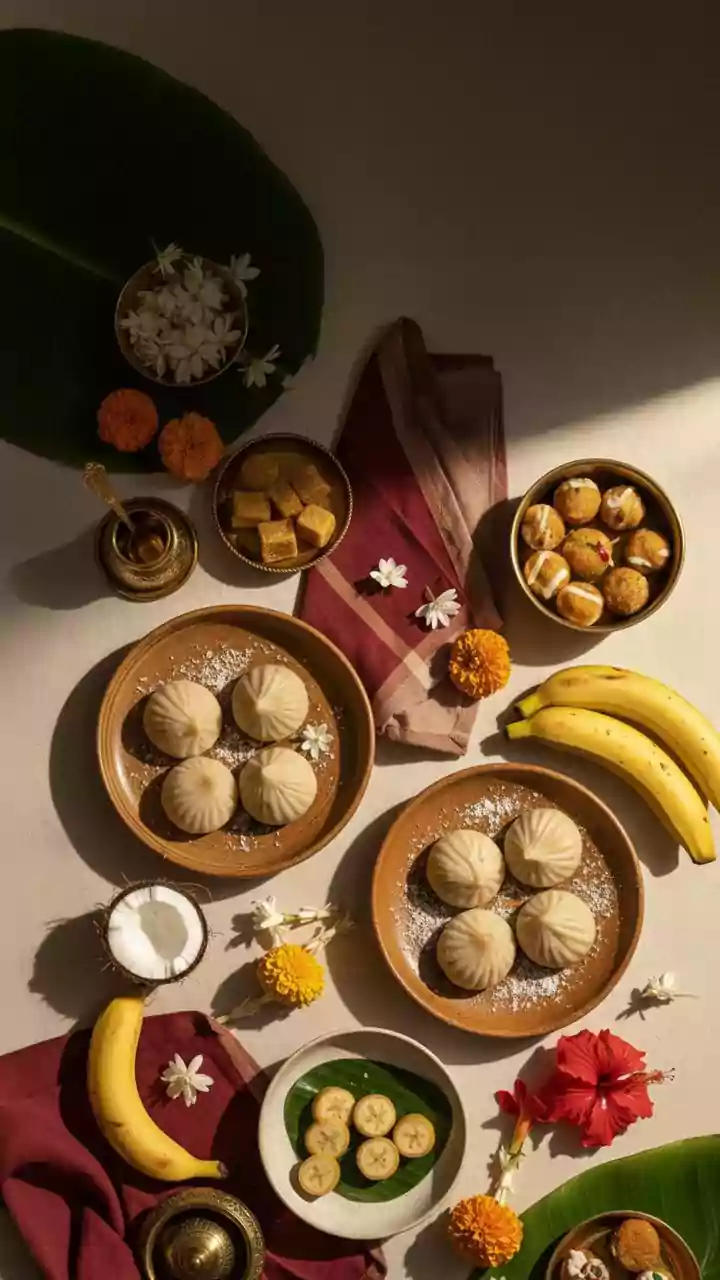
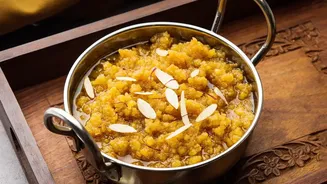
Saffron's magic extends far beyond Kesar Doodh. It is a cornerstone of festive and celebratory Indian food, from savoury to sweet. For biryani or pulao, the same blooming technique applies. Steep a generous pinch of saffron in a few tablespoons of warm milk and drizzle it over the layered rice just before the final 'dum' or steaming stage. This creates the iconic streaks of gold and white rice without making the dish uniformly yellow. In desserts like kheer, phirni, or sheer khurma, the bloomed saffron milk should be stirred in near the end of the cooking process. Adding it too early can cause the delicate aroma to cook off during a long simmer. This final touch adds a beautiful colour and a subtle, luxurious fragrance that elevates the entire dish.
How to Buy and Store Saffron
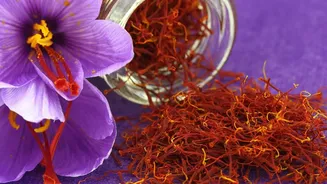
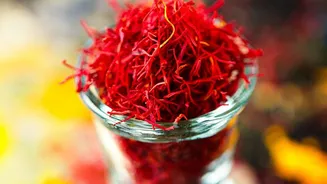
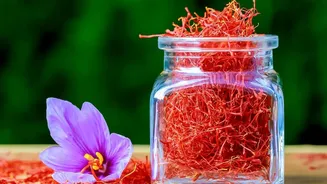
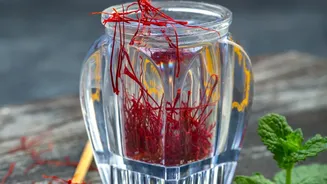
The quality of your saffron makes all the difference. To avoid adulterated products, always try to buy saffron threads rather than pre-ground powder, which can be easily mixed with other substances. Real saffron threads are typically trumpet-shaped and deep red. You can perform a simple test at home: drop a few threads into a glass of warm water. Real saffron will release its golden colour slowly, and the threads themselves will remain red. Fake saffron often bleeds a bright red or orange colour almost instantly. When you find good quality saffron, storage is crucial to protect your investment. Keep the threads in an airtight container in a cool, dark place, away from sunlight and heat, like your spice cabinet. Properly stored, saffron will retain its potent flavour and aroma for a long time.
Common Mistakes to Avoid
Many cooks are disappointed with saffron simply due to a few common errors. The biggest mistake is adding dry threads directly to a dish, which results in uneven flavour and wasted spice. Another frequent error is using too much. Saffron is powerful, and an excess can make a dish taste bitter or medicinal. A small pinch (around 15-20 threads) is usually enough for a dish that serves four to six people. Also, avoid frying saffron directly in hot oil or ghee. The intense heat will scorch the delicate threads, destroying their flavour and making them bitter. Always bloom saffron in a liquid base first. Finally, remember that patience is part of the process. Whether you're blooming it in milk for ten minutes or letting it infuse in water, giving saffron the time it needs to release its essence is the true secret to success.