








Embrace the Monsoon's Advantages
Travelling between June and September is often considered the off-season in many parts of India. This can be a significant advantage, as popular destinations are far less crowded. Imagine experiencing iconic monuments without the usual throngs of tourists.
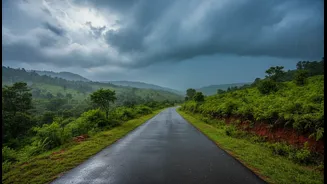
Hotels and airlines often lower their prices to attract visitors, making luxury stays more affordable. Beyond the budget benefits, the rain transforms the landscape. Dry, dusty plains turn into vibrant green carpets, waterfalls swell to their most magnificent, and the entire country feels refreshed and alive. This is the time to see places like the Western Ghats, from Lonavala to Coorg, in their full, misty glory.
Build a Flexible Itinerary
A successful monsoon trip hinges on a flexible plan. Instead of a packed, minute-by-minute schedule, build an itinerary with buffer days. This allows you to adapt to sudden downpours or potential travel delays without stress. When choosing a destination, consider places that offer a good mix of indoor and outdoor activities. This way, a rainy afternoon isn't a setback but an opportunity to explore a local museum, art gallery, or simply enjoy a hot cup of chai from your hotel window. It’s also wise to start your day trips early, as rainfall can often intensify in the afternoon and evening.
Book with Flexibility in Mind
Unpredictable weather can lead to travel disruptions, so it's crucial to book transport and accommodation that allow for changes. Many Indian airlines like Air India and IndiGo now offer 'flexi' fare options that permit rescheduling for a fee or sometimes for free. While booking, carefully check the cancellation and rescheduling policies. Some hotels also offer more lenient terms during the low season. Not having to pre-book everything gives you the freedom to extend your stay in a place you love or change your route at the last minute if you hear about weather-related issues ahead.
Pack Smart for Unpredictable Weather
Your packing list is your first line of defence. Leave heavy fabrics like jeans at home, as they take forever to dry. Instead, opt for lightweight, quick-drying clothes made from synthetic blends or light cotton. A reliable waterproof jacket or poncho is non-negotiable. Footwear should be practical; think waterproof sandals with good grip or anti-skid trekking shoes rather than shoes that will get ruined in the mud. Protect your valuables by packing electronics, documents, and cash in waterproof bags or zip-lock pouches. Also, don't forget a mosquito repellent and a basic first-aid kit, as the rains can bring an increase in insects and water-borne ailments.
Navigate Roads with Extra Caution
If you are planning a road trip, safety is paramount. Roads can be slippery and visibility poor, so it’s essential to drive slowly and maintain a safe distance from other vehicles. Before you set out, check your car’s tyres, brakes, and windscreen wipers to ensure they are in good condition. Avoid driving through waterlogged streets, as the water can hide potholes or damage your car’s engine. It's generally safer to avoid driving at night during heavy rains. Always check the local weather and road conditions before starting your journey, especially in hilly areas prone to landslides.
Prioritise Health and Hygiene
The monsoon can increase the risk of water contamination and food-borne illnesses. Be cautious about what you eat and drink. It's best to stick to bottled or filtered water and avoid street food, especially items that may have been washed with untreated water. Opt for freshly cooked, hot meals from clean, reputable establishments. Carrying a hand sanitiser is a good practice. These simple precautions can help ensure that you stay healthy and can fully enjoy your rejuvenated, green surroundings.