




1. The Birthplace of a Giant River
One of the park's most profound sites is the humble origin of a giant. The São Francisco River, one of Brazil's longest and most important waterways, begins here. Unlike a dramatic geyser, the 'nascente histórica' is a modest spring where water trickles
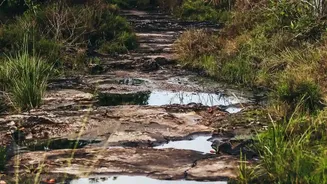
from the ground on a high plateau. To stand here is to witness the quiet start of a river that will journey nearly 3,000 kilometres to the Atlantic Ocean. Reaching this spot, typically via the park's Gate 1 near São Roque de Minas, requires navigating rough dirt roads, making a 4x4 vehicle highly recommended, especially in the rainy season. It’s a pilgrimage site for many Brazilians, offering a moment of connection with the country's natural and cultural heritage.
2. The Roar of the Casca d'Anta Waterfall
Not far from its quiet source, the São Francisco River makes a dramatic announcement. The Casca d'Anta waterfall is the park's showstopper, a breathtaking cascade that plunges 186 metres (610 feet) off the plateau. It is the river's first major waterfall and one of Brazil's most famous. You can experience it from two perspectives. The 'parte alta' (upper part) offers views from the top of the falls, accessible from the main plateau road. The 'parte baixa' (lower part), accessed via a separate entrance (Gate 4), involves a manageable trail through the forest to the powerful base of the falls. The sheer power and scale of the waterfall are a testament to the raw beauty of Canastra.
3. The High Plateau 'Safari'
Serra da Canastra offers one of the best wildlife-spotting experiences in Brazil, particularly for those seeking animals of the Cerrado, a tropical savanna biome. The open, grassy landscape of the high plateau makes it easier to spot iconic species than in the dense Amazon. The park is a crucial sanctuary for the endangered maned wolf, a long-legged canine often seen striding through the grasslands at dawn or dusk. It's also one of the world's best places to see the wonderfully peculiar giant anteater. Other possible sightings include the greater rhea (a South American ostrich), pampas deer, and a rich variety of birds, including the critically endangered Brazilian merganser. Driving slowly along the plateau roads becomes a safari, rewarding patience with unforgettable encounters.
4. The Epic High-Altitude Drive
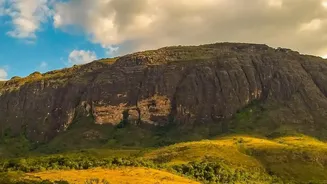
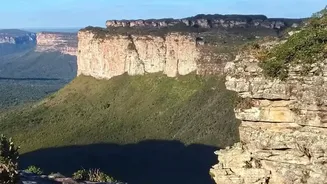
The journey is as much a part of the adventure as the destinations themselves. A main road cuts across the top of the park for over 60 kilometres, connecting the main gates. This is not a casual drive; the road is entirely unpaved, often rough, and a 4x4 vehicle is not just recommended but often essential, especially for accessing the upper plateau during the wet season (November-March). The drive offers a mesmerising sense of scale and isolation, with vast, windswept grasslands stretching to the horizon, dotted with rocky outcrops. The altitude, which ranges from 900 to nearly 1,500 metres, ensures cool air and expansive, cinematic views of the 'sea of hills' that defines Minas Gerais. Pulling over to simply absorb the silence and the endless sky is a key part of the Canastra experience.
5. The Cheese, Culture, and Charm
A visit to Serra da Canastra is incomplete without exploring its rich local culture, which is deeply connected to the land. The region is famous for producing 'Queijo da Canastra', a traditional artisanal cheese with a protected geographical indication, similar to Champagne in France. Made for generations on small family farms ('fazendas'), the cheese has a distinct flavour shaped by the local climate and pastures. Many farms around the park, particularly near São Roque de Minas, welcome visitors for tastings, offering a delicious link to the area's heritage. This fusion of rugged nature and deeply rooted tradition provides a flavourful context to the wild trails and landscapes, making a trip here a truly holistic Brazilian experience.