






Fibre: The Gut's Unsung Hero
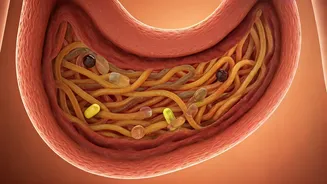
First, a quick refresher. Dietary fibre is a type of carbohydrate that our bodies can't digest. [17] Instead of being broken down, it travels to the large intestine, where it becomes the primary food source for the trillions of beneficial bacteria living
there—our gut microbiome. [13] When these friendly microbes feast on fibre, they produce beneficial compounds called short-chain fatty acids (SCFAs). [3, 13] These SCFAs are powerhouses; they nourish the cells of our colon, strengthen the gut barrier, reduce inflammation, and even influence our immune system and metabolism. [3, 5, 16] Essentially, feeding your gut bacteria fibre is one of the most fundamental ways to support your overall health. [15] Without enough of it, the 'bad' bacteria can start to outnumber the 'good,' leading to a state of imbalance.
Why Food-First Fibre Always Wins
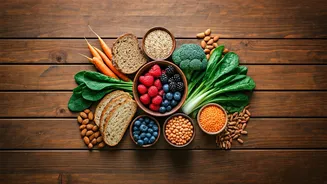
This is where the debate between food and supplements begins. While a fibre supplement might seem like a convenient shortcut, it simply can’t compete with the benefits of fibre from whole foods. [9, 17] The reason is that whole foods provide a diverse array of fibres. [2, 9] There isn't just one type; there's soluble fibre (found in oats, dals, apples), which forms a gel and can help lower cholesterol and blood sugar, and insoluble fibre (found in whole grains and vegetable skins), which adds bulk and promotes regularity. [6, 17] Most plant foods contain a mix of both. This diversity is crucial because different types of bacteria in your gut prefer to feed on different types of fibre. [16, 25] Eating a wide variety of plant-based foods ensures you're nourishing a wider range of beneficial microbes, leading to a more resilient and diverse microbiome—a key indicator of good gut health. [16, 25] Furthermore, fibre in food comes packaged with vitamins, minerals, antioxidants, and other phytonutrients that work in synergy to support your health. A supplement, on the other hand, is an isolated nutrient. [18, 22]
The Limitations of a Supplement Shortcut
Fibre supplements typically contain a single type of isolated fibre, such as psyllium husk or inulin. [9] While these can be useful for specific, targeted purposes like managing constipation or lowering cholesterol under a doctor's guidance, they are not a replacement for a healthy diet. [9, 22] They fail to provide the microbial diversity that comes from eating a variety of plant foods. [2, 25] Some studies even suggest that high doses of certain isolated fibres, like inulin, can cause bloating, gas, or even inflammation in some individuals, highlighting that responses can be highly personal. [14, 19] Relying solely on supplements means you miss out on the complex nutritional matrix that whole foods offer, which is essential for nourishing a truly healthy gut ecosystem. [18, 22]
Building a Fibre-Rich Indian Plate
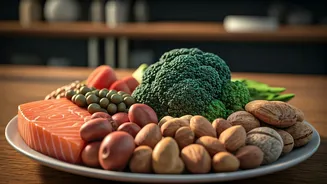
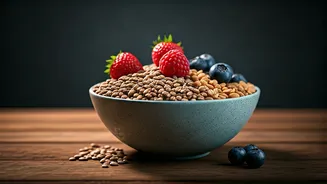
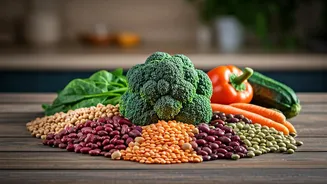
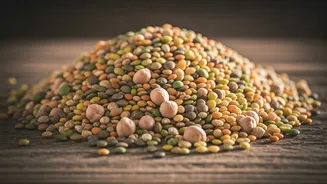
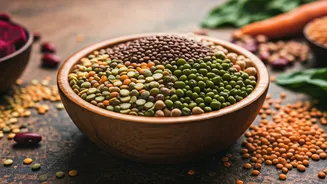
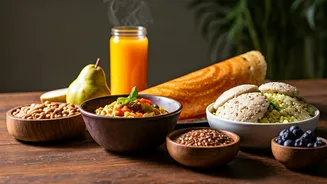
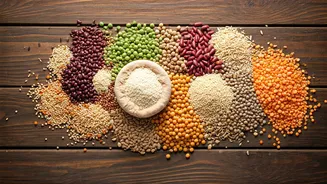
The good news is that a traditional Indian diet is naturally rich in fibre; you just need to make conscious choices. Focus on incorporating a variety of these foods into your daily meals. For whole grains, look beyond whole wheat atta to include millets like jowar (sorghum), bajra (pearl millet), and ragi (finger millet), which are packed with fibre. [6, 7, 12] Make pulses and legumes a daily staple; masoor, moong, and chana dal, as well as rajma and chickpeas, are fantastic sources of both fibre and protein. [6, 12] Load up on vegetables, especially greens like spinach (palak) and fenugreek (methi), and others like okra (bhindi) and bottle gourd (lauki). [7, 11] When it comes to fruit, guava stands out as one of the highest-fibre options commonly available, along with apples (with the skin), pears, and bananas. [10, 12] Combining these elements—for instance, a meal of bajra roti with a leafy green sabzi and a bowl of dal—is a powerful strategy for fibre diversity. [11, 16]