







The Evidence: A Shift from Grains to Proteins
The data paints a clear picture of dietary transformation. For the first time, the average Indian household is spending less than half its budget on food. According to the latest Household Consumption Expenditure Surveys (HCES), the share of spending on food fell
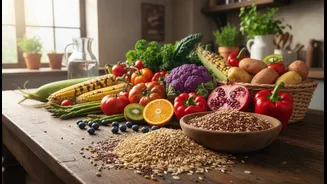
from over 52% in 2011-12 to around 46% in rural areas by 2023, and below 40% in urban areas. This doesn't mean people are eating less; rather, they are eating differently. The cornerstone of this change is the decline in per capita consumption of cereals like rice and wheat. As incomes have grown, households are diversifying their food baskets, spending more on milk, eggs, fish, meat, vegetables, and fruits. This pivot towards high-value and protein-rich foods is a classic sign of economic development, reflecting new tastes and greater purchasing power across the country.
The Great Divide: Urban vs. Rural Appetites
This nutritional transition is not unfolding uniformly. A significant gap persists between urban and rural consumption patterns. Urban households, with higher incomes and greater exposure to global trends, are leading the dietary diversification, consuming significantly more dairy, animal products, and fruits. Meanwhile, while rural diets are also improving, they remain more dependent on cereals. The change is also visible online, where e-commerce platforms report that nearly 60% of the demand for new-age health foods and direct-to-consumer (D2C) brands now comes from Tier II cities and beyond. This suggests that aspirations for healthier and more premium foods are spreading far beyond the metros, even if access and affordability create different realities on the ground.
The Opportunity: A Booming Food Industry
The changes in India's food basket represent a massive economic opportunity. The Indian food processing sector is projected to grow into a more than half-a-trillion-dollar industry by 2025. Despite being a top producer of milk, fruits, and vegetables, India's processing levels remain low—only around 2% for fruits and vegetables and 35% for milk. This gap signals enormous potential for growth. Investors and entrepreneurs are taking note, with significant foreign direct investment flowing into the sector. Government schemes like the Production Linked Incentive (PLI) are further boosting the creation of modern infrastructure, from cold storage chains to mega food parks. This is creating a vibrant ecosystem for everything from value-added dairy products and ready-to-eat snacks to plant-based proteins and health-focused foods.
The Limit: A Dual Health Burden
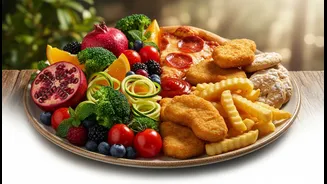
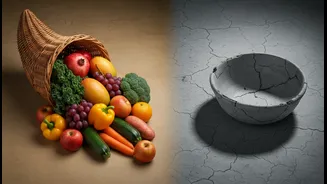
However, the evolving diet presents a serious challenge, often called the “double burden of malnutrition.” While many still suffer from undernutrition and micronutrient deficiencies, a new public health crisis is emerging: overnutrition. The same economic forces driving diversification are also fuelling a rise in the consumption of ultra-processed foods, which are often high in unhealthy fats, sugar, and salt. Consequently, India is facing a surge in non-communicable diseases (NCDs) like obesity, diabetes, and heart disease, which now account for over 60% of all deaths in the country. India is now home to over 77 million diabetics, and the problem is expected to grow. This paradox—of hunger and obesity coexisting—is one of the most significant limits to India’s growth story.
The Constraint: Supply Chains and Sustainability
Beyond health, there are structural and environmental limits. A significant portion of fruits and vegetables—up to 16% annually—is wasted due to inadequate post-harvest infrastructure, particularly a lack of cold chains. This inefficiency drives up prices and limits availability. Furthermore, the shift in production towards more water-intensive crops and livestock raises questions about environmental sustainability. Addressing these constraints requires not just building infrastructure but also promoting agricultural practices that are both productive and ecologically sound. Public policy has a crucial role to play, from improving supply chains to promoting healthier food choices through education and better food labelling.