



The Hidden Costs of Sitting Still
It’s no secret that spending eight or more hours a day in a chair isn't great for us. This prolonged sitting, often called 'the new smoking,' is linked to a host of health problems. Research shows that a sedentary lifestyle increases the risk of cardiovascular
disease, type 2 diabetes, and certain cancers. It can also lead to musculoskeletal issues like persistent lower back pain, neck and shoulder tightness, and stiff hips. One study found office workers can spend over six hours of an eight-hour shift sitting down. The scary part? Even a dedicated daily workout might not be enough to fully counteract the negative effects of sitting for the rest of the day. The key isn't just to exercise more, but to sit less and break up long periods of inactivity.
Meet the Micro-Walk
Enter the 'micro-walk'. This isn't about blocking out an hour for a power walk. A micro-walk is a short, intentional walking break, typically lasting just two to ten minutes, taken frequently throughout the day. Think of it less as a workout and more as a 'movement snack'. The goal is frequency over duration. Instead of sitting for three hours straight, you might take a five-minute walk every hour. A recent study found that a five-minute walking break every hour was the sweet spot for reducing fatigue and improving mood without being too disruptive. These brief bursts of activity are designed to be simple, accessible, and easy to fit into the busiest of schedules.
The Science-Backed Benefits
Don't underestimate the power of a short stroll. These small breaks have significant physical and mental benefits. Physically, getting up and moving improves circulation, helps regulate blood sugar levels (especially after a meal), and can lower blood pressure. This frequent movement helps combat the metabolic slowdown that happens when we sit for too long. Mentally, the advantages are just as compelling. Studies have shown that even short walks can boost creativity by as much as 60%. They also enhance focus, reduce mental fatigue, and improve your mood by triggering the release of endorphins. Those quick laps around the office can leave you feeling more energised, less tense, and better equipped to tackle your to-do list.
How to Make It a Habit
The hardest part of any new habit is getting started. The key to micro-walks is to integrate them seamlessly into your workday. Set a timer on your phone or calendar for a reminder every hour. Link the habit to an existing one: take a walk after you finish a big task or right after a meeting. Look for opportunities to move with purpose. Instead of sending an email to a colleague, walk over to their desk. Choose the farthest restroom or water cooler. Always take the stairs instead of the lift. One of the easiest methods is to adopt a 'walk and talk' policy for phone calls or informal meetings where you don't need to be in front of a screen. Pacing around the office or a nearby hallway while on a call is a simple way to bank steps without losing productive time.
Beyond the Walk: Other Micro-Movements
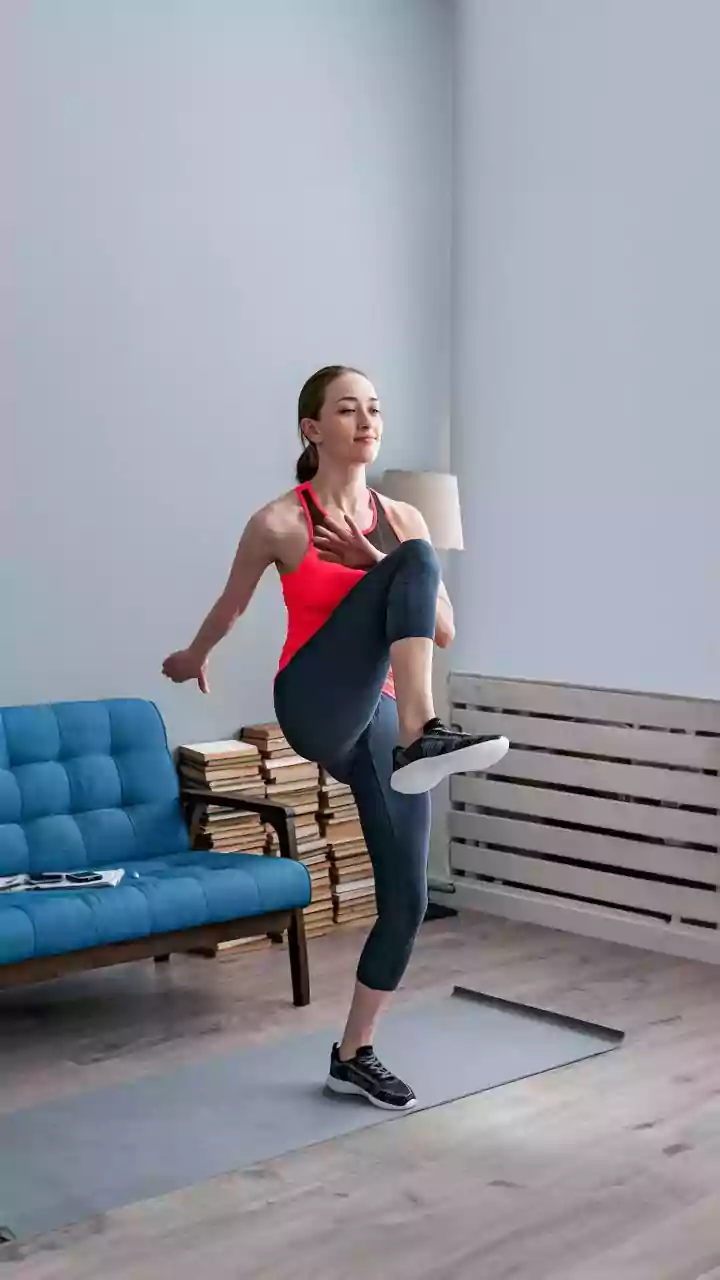
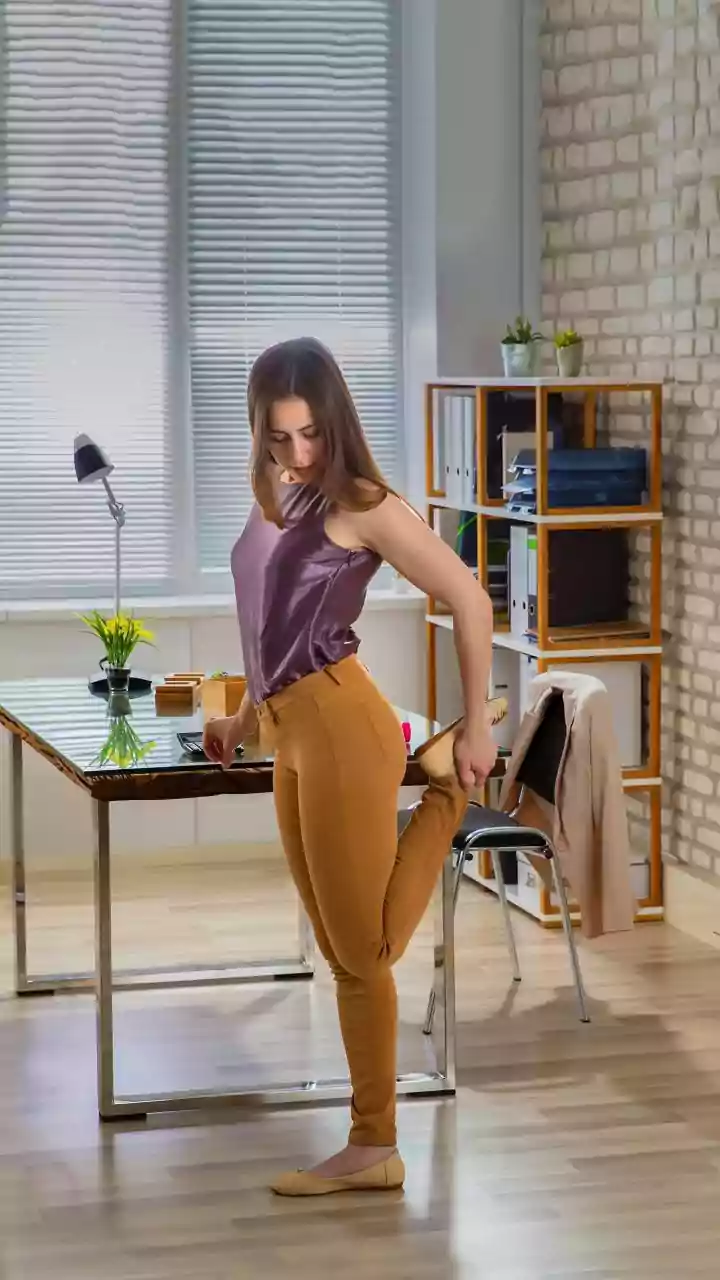
While walking is fantastic, any form of movement is beneficial. If you're stuck in back-to-back video calls, you can still incorporate 'micro-movements' right at your desk. Simple neck rolls and shoulder shrugs can release tension in your upper body. Try seated leg extensions or ankle circles to get the blood flowing in your lower half. Even standing up to stretch for 30 seconds counts. The principle is the same: break the cycle of static posture. These tiny movements prevent muscle stiffness, improve posture, and keep your energy levels from dipping. It’s about creating a routine where movement is a natural and frequent part of your entire day, not just a one-off event.