



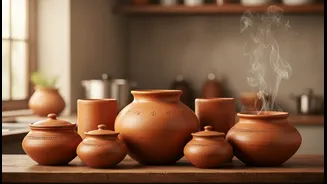
A Return to Slower, Simpler Cooking
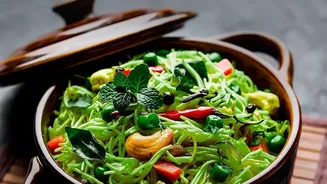
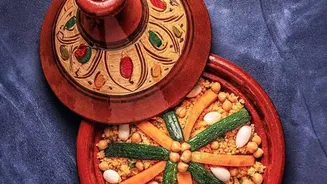
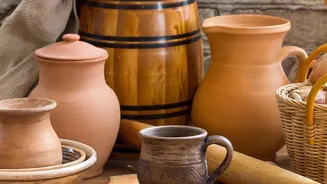
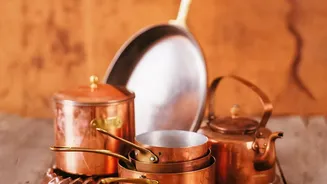
The resurgence of earthen cookware, or 'mitti ke bartan', is more than just a passing trend; it's a conscious choice to slow down. For generations, clay pots like the 'handi' or 'matka' were central to Indian cooking before being replaced by faster metal
utensils. Today, as people seek more natural and mindful lifestyles, these pots represent a return to roots. This movement is driven by a desire for authenticity and an appreciation for a cooking process that is deliberate and gentle, connecting the cook to a long lineage of culinary history that dates back centuries.
The Science of Superior Flavour
Ask anyone who uses a clay pot, and they will tell you the food simply tastes better. This isn't just nostalgia; it's science. Clay is naturally porous, allowing heat and moisture to circulate evenly throughout the pot. Unlike metal pans that heat up quickly and can create hot spots, clay distributes heat gently. This slow, even cooking process allows ingredients to release their natural flavours without burning, resulting in dishes that are more tender, aromatic, and deeply flavourful. The porous nature also retains steam, keeping food moist and succulent with less need for excessive oil.
Health and Wellness Benefits
Beyond taste, a major driver of this trend is health. Modern non-stick coatings can sometimes contain chemicals, but clay pots are 100% natural and non-toxic. Furthermore, clay is alkaline. Proponents believe this property helps to neutralize the acidity in many foods, potentially balancing the overall pH of a meal and making it easier to digest. The slow-cooking process also helps in preserving the nutrients in the food, which can be lost with high-heat cooking methods. The ability to cook with less oil is another significant health advantage.
A Guide to Your Earthen Kitchen
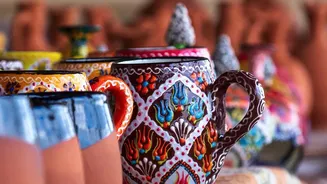
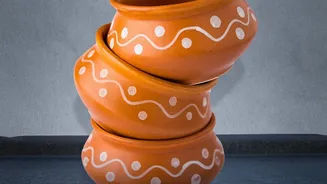
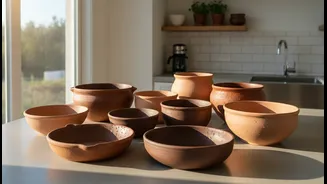
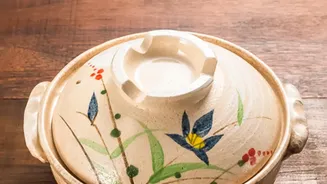
The world of Indian earthen cookware is diverse. The 'handi', a deep, wide-mouthed pot, is a versatile workhorse perfect for cooking dals, curries, and biryanis. For making rotis, a clay 'tawa' provides even heating. You can also find special pots for setting curd, known as 'dahi handi', which results in a thicker, creamier texture. In Southern India, a shallow, wide pot called a 'man satti' is often used for fish curries and other gravies. Each piece is handcrafted by local artisans, carrying its own unique character.
The Art of Seasoning and Care
Earthen pots require some special care to ensure their longevity. Before the first use, a pot must be seasoned. A common method involves soaking the pot and its lid in water overnight, or even for 24 hours. After soaking and drying, some traditions suggest rubbing the inside with garlic or oil, while others recommend cooking rice water or a flour-based mixture in it to seal the pores. When cleaning, it's crucial to avoid soaps and harsh detergents, as the porous clay can absorb them. Instead, use hot water, baking soda, and a soft brush for scrubbing. Always start cooking on low heat and increase it gradually to prevent cracking.